Lifestyle
Key Takeaways
- Expanded polypropylene foam is a lightweight and durable material.
- The automotive sector is the largest market for this foam.
- Asia Pacific leads in production and consumption, especially in Southeast Asia.
- Growing environmental concerns are boosting demand for sustainable materials.
- Adoption of advanced technologies is enhancing product performance.
The Growing Significance of Expanded Polypropylene Foam
As industries vie to improve materials for performance and sustainability, expanded polypropylene foam (EPP) is gaining traction. This material is particularly favored in sectors like automotive, where weight reduction is paramount for fuel efficiency. With governments globally tightening emissions regulations, the demand for such lightweight materials is on the rise.
In Southeast Asia, the market for expanded polypropylene foam is expanding rapidly, driven by significant growth in countries like Indonesia, Malaysia, and Thailand. These nations are becoming manufacturing hubs due to their increasing investments in automotive production. For instance, Indonesia's automotive industry is projected to reach $60 billion by 2025, according to industry reports.
Market Drivers and Trends
1. Increasing Automotive Production
The automotive industry remains the largest consumer of expanded polypropylene foam. Manufacturers are increasingly using EPP for interior components, packaging, and crash protection. This trend contributes to a sustainable production process, aligning with global initiatives to reduce carbon footprints.
2. Innovations in Material Technology
New advancements in material science are enhancing the performance characteristics of expanded polypropylene foam. Improved durability, resistance to impact, and thermal insulation make EPP a preferred choice across various applications beyond automotive, including electronics and packaging.
3. Environmental Regulations
In response to growing environmental concerns, many countries are implementing stricter regulations regarding material usage in manufacturing processes. The shift towards sustainable materials has made expanded polypropylene foam a favorable option, as it is recyclable and contributes to lower environmental impacts.
4. Regional Developments in Southeast Asia
The ASEAN region, particularly major economies like Indonesia, is witnessing significant investment in the production of expanded polypropylene foam. Jakarta and Surabaya are emerging as key production centers, while Bali is seeing increased demand in the hospitality sector for lightweight and durable materials.
Challenges Facing the Market
Despite the growth potential, the expanded polypropylene foam market faces challenges, including fluctuating raw material prices and competition from alternative materials. Manufacturers must navigate these hurdles to capitalize on the opportunities presented by the increasing demand in various sectors.
Conclusion
The expanded polypropylene foam market is poised for considerable growth, driven by the automotive industry's need for lightweight materials and sustainability efforts. As Southeast Asia, particularly Indonesia, becomes a focal point for production, companies that innovate and adapt to these trends will thrive. Staying informed about market developments is crucial for stakeholders looking to invest in this promising sector. With evolving consumer preferences and regulatory requirements, the future of expanded polypropylene foam appears bright.
Reproduction without permission is prohibited: Lifestyle » Surging Demand for Lightweight Materials Fuels Expanded Polypropylene Foam Growth | cheeky monkey 4d scan, admiral online casino, sule toto
 Stunning watch - Ear
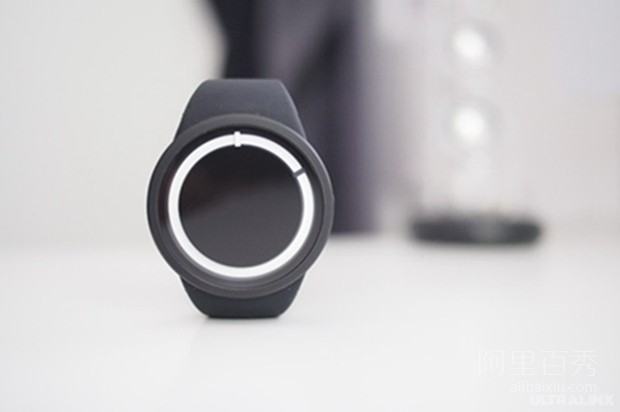 The ZIIIRO Eclipse w
 The rechargeable tre
 The world's tallest
  The detachable bicyc
 Embracing the Latest
 Can you easily turn
  Finding Fitness Bala