Lifestyle
Why Recovery is Essential for Modern Self-Care Routines
In recent years, the concept of recovery has transcended its traditional boundaries, evolving into a vital component of self-care and wellness practices. As we navigate increasingly demanding lifestyles, the need for recovery has never been more urgent. This article explores why recovery is essential now and offers practical tips to incorporate it into your daily routine.
The Changing Landscape of Self-Care
The self-care movement has gained momentum, urging individuals to prioritize their mental, emotional, and physical well-being. Recovery has emerged as a key element in this movement, emphasizing the importance of restorative practices amidst our busy schedules.
What is Recovery?
Recovery refers to the processes and practices that help individuals regain balance and restore energy. This goes beyond physical recovery from exercise or injury; it encompasses mental and emotional recuperation as well.
- Physical Recovery: Rest and regeneration after physical exertion.
- Mental Recovery: Activities that help soothe the mind and reduce stress.
- Emotional Recovery: Practices that foster emotional resilience and stability.
Why Now?
The COVID-19 pandemic has reshaped our perspectives on health and wellness. With the rise of remote work, increased screen time, and heightened anxiety levels, people are seeking effective ways to manage stress and promote well-being. Recovery practices are crucial in addressing these challenges.
Incorporating Recovery into Your Daily Routine
Implementing recovery strategies into your everyday life can significantly enhance your overall well-being. Here are some effective methods to consider:
1. Prioritize Sleep
Quality sleep is fundamental for recovery. It allows your body to heal, your mind to process information, and your emotions to stabilize.
- Aim for 7-9 hours of uninterrupted sleep each night.
- Create a calming bedtime routine to signal your body it's time to wind down.
- Limit screen time before bed to improve sleep quality.
2. Mindfulness and Meditation
Mindfulness practices can effectively reduce stress and enhance recovery. Engaging in meditation helps to center your thoughts and promote emotional clarity.
- Start with just 5-10 minutes of meditation each day.
- Use guided meditation apps to help you get started.
- Practice deep breathing exercises to alleviate immediate stress.
3. Active Recovery
Incorporating light physical activity into your routine can boost your recovery process. Activities such as stretching, yoga, or leisurely walks can help alleviate muscle tension and improve circulation.
- Set aside time for gentle stretching after workouts.
- Consider yoga classes to combine physical activity with mindfulness.
- Take short breaks to walk throughout your day, especially if you are working from home.
Community and Social Connections
Building strong social connections is another vital aspect of recovery. Engaging with friends, family, or support groups can provide emotional support and decrease feelings of isolation.
Ways to Foster Connections
- Schedule regular catch-ups with friends, even if it's virtual.
- Join community groups or clubs that align with your interests.
- Participate in team sports or group fitness classes for a sense of belonging.
Conclusion
As we continue to adapt to the fast-paced world around us, incorporating recovery into our self-care routines is essential for maintaining mental and physical health. By prioritizing sleep, mindfulness, active recovery, and social connections, we can create a balanced lifestyle that promotes overall wellness. Now is the time to embrace recovery as a mainstay in our daily lives, ensuring we not only survive but thrive in today's demanding environment.
Reproduction without permission is prohibited: Lifestyle » Why Recovery is Essential for Modern Self-Care Routines | togel eyang sgp, link kacaqq, naga789
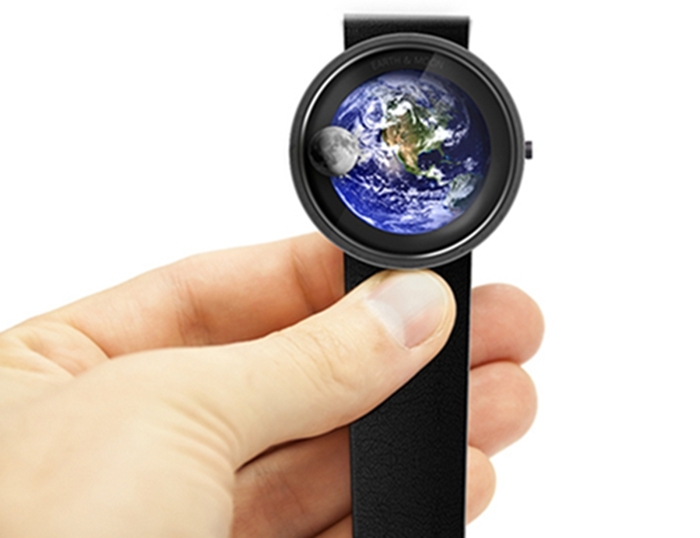 Stunning watch - Ear
 The ZIIIRO Eclipse w
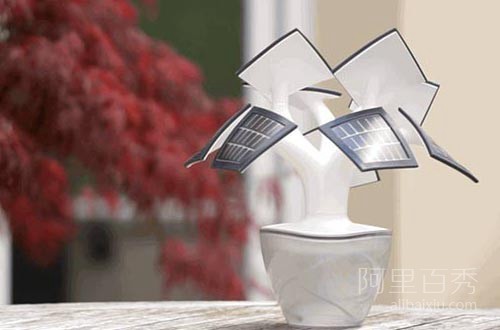 The rechargeable tre
 The world's tallest
 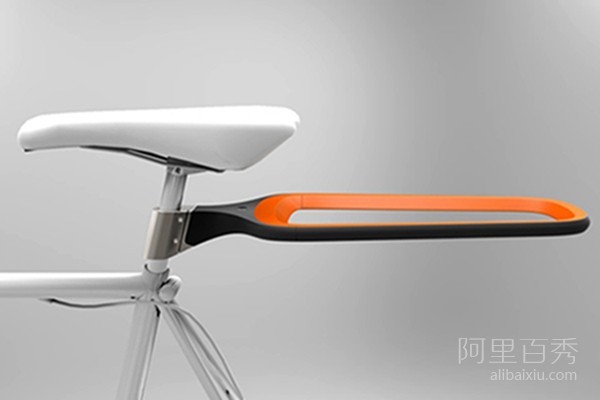 The detachable bicyc
 Embracing the Latest
 Can you easily turn
  Finding Fitness Bala