Lifestyle
Key Takeaways
- Astronauts experience a unique observer sensation post-mission.
- This feeling can persist for weeks after returning to Earth.
- The phenomenon impacts mental health and cognitive processing.
- NASA is investigating its implications for future long-duration missions.
- Understanding these effects is crucial for astronaut well-being.
Understanding the Observer Sensation
Recent studies have shed light on a fascinating psychological phenomenon experienced by astronauts upon their return from extended missions. After spending six months in the isolating environment of space, many astronauts report a lingering feeling reminiscent of viewing life from a distance, often described as an "observer sensation." This experience has drawn significant interest from researchers and mental health professionals alike.
What Causes This Sensation?
The observer sensation manifests as a detachment from one's surroundings, akin to watching a movie of one's own life. Astronauts have described feeling as if they are not fully engaged in their daily activities, leading to introspection and a reevaluation of personal experiences. Factors contributing to this phenomenon include:
- Isolation during long missions.
- Adjustment to Earth’s gravity after prolonged weightlessness.
- Psychological impacts of high-stress environments.
Implications for Mental Health
The implications of this observer sensation for mental health are profound. As space agencies prepare for longer missions, such as those to Mars, understanding these psychological effects becomes essential. Astronauts who experience this sensation may struggle with reintegration into their normal lives, impacting relationships and everyday functioning.
Navigating Post-Mission Challenges
After returning to Earth, astronauts often undertake a transition period where they readjust to their environments. This process can be complicated by the observer sensation, making it critical for mental health support systems to be in place. Solutions being explored include:
- Counseling and therapy focused on reintegration.
- Group discussions among returning astronauts.
- Mindfulness and grounding techniques to reconnect with reality.
The Role of Research Moving Forward
Ongoing research into the psychological effects of space travel is crucial for the future of human space exploration. NASA has initiated studies to better understand the scope of the observer sensation and similar phenomena, ensuring that astronauts receive the support they need. With potential missions to distant planets on the horizon, this research is more critical than ever.
Collaboration with Mental Health Experts
In light of these findings, NASA is collaborating with mental health professionals to develop strategies that can help mitigate the effects of the observer sensation. This includes:
- Creating pre-mission psychological profiles.
- Implementing regular mental health check-ins during missions.
- Training astronauts in psychological resilience techniques.
Conclusion
The phenomenon of observing one's life from a distance after returning from a space mission offers unique insights into the human experience under extreme conditions. As humanity progresses toward deeper space exploration, understanding and addressing these psychological impacts will be essential. Preparing astronauts for the emotional challenges ahead is just as vital as the technological advancements that will carry them beyond Earth.
Reproduction without permission is prohibited: Lifestyle » Astronauts Share Unusual Perspectives After Long Space Missions | pulse gambling, jam365 slot, beowulf casino
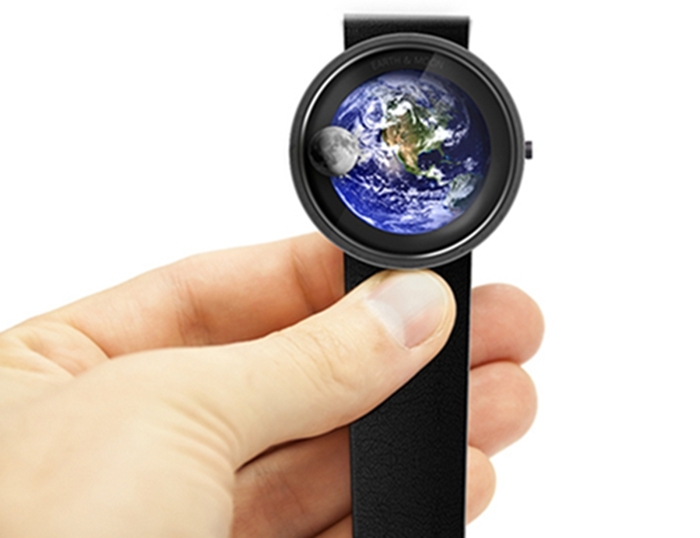 Stunning watch - Ear
 The ZIIIRO Eclipse w
 The rechargeable tre
 The world's tallest
  The detachable bicyc
 Embracing the Latest
 Can you easily turn
  Finding Fitness Bala