Lifestyle
Key Takeaways
- Self-care encourages proactive health management.
- WHO's framework targets diseases like HIV and TB.
- Empowerment leads to improved mental health outcomes.
- Accessible self-care can reduce healthcare costs.
- Community initiatives are essential for effective self-care.
The Importance of Self-Care in Today’s Health Landscape
As the global health crisis continues to evolve, the World Health Organization (WHO) is stepping up its advocacy for self-care practices. This movement is not just a response to the pandemic but a long-term strategy to enhance public health, particularly in areas heavily affected by communicable diseases such as HIV and tuberculosis (TB). By focusing on self-care, WHO aims to empower individuals, especially in regions like Southeast Asia, where these diseases pose significant health challenges.
Why Self-Care Matters Now
In an era where healthcare systems are often overwhelmed, self-care presents a viable solution for individuals to manage their health proactively. The COVID-19 pandemic highlighted the importance of personal health management and the need for individuals to take responsibility for their own well-being. The WHO's emphasis on self-care is especially crucial in countries like Indonesia, where access to healthcare can be limited.
The Role of Self-Care in Disease Management
Self-care allows individuals to engage in practices that can significantly mitigate the risks associated with chronic and communicable diseases. For instance, managing HIV requires regular monitoring and medication adherence, both of which can be supplemented by education and self-management strategies. Likewise, TB management can benefit from community awareness programs that encourage individuals to seek treatment early.
Transforming Mental Health through Self-Care
Mental health has emerged as a critical component of overall well-being, especially in the wake of the pandemic. The WHO’s push for self-care extends to mental health, promoting practices such as stress management, mindfulness, and seeking support from community resources. By integrating mental health into the self-care dialogue, the WHO aims to destigmatize mental health issues and encourage individuals to seek help without hesitation.
Community Involvement in Self-Care Initiatives
Effective self-care goes beyond individual practices; it requires community support and resources. Local governments and health organizations play a vital role in fostering environments where self-care can thrive. Initiatives like health education campaigns in urban centers such as Jakarta, Surabaya, and Bali can help cultivate a culture of wellness. These programs can empower individuals by providing essential information, resources, and access to services that promote self-care.
How Technology Facilitates Self-Care
In today's digital age, technology plays a significant role in promoting self-care. Mobile health applications and online platforms can provide individuals with the tools they need to manage their health more effectively. These resources can offer reminders for medication, tips for healthy living, and immediate access to healthcare consultations. The rise of platforms like Pillarwin offers innovative solutions for individuals looking to improve their health outcomes through self-care.
Concluding Thoughts: The Path Forward
As WHO champions self-care, it is essential for individuals to recognize their role in managing their health. The call for self-care is not just an initiative; it is a necessary shift toward a more sustainable healthcare system. By embracing self-care practices, particularly in regions like Southeast Asia, we can collectively enhance public health resilience against diseases such as HIV and TB, while also improving mental health outcomes. Now is the time to act—empower yourself and your community through self-care.
Reproduction without permission is prohibited: Lifestyle » Empowering Health: WHO Advocates for Self-Care in Disease Prevention | game memancing pc, pillarwin, daftar id pro pkv 2020, tafsir mimpi menangkap ikan gabus
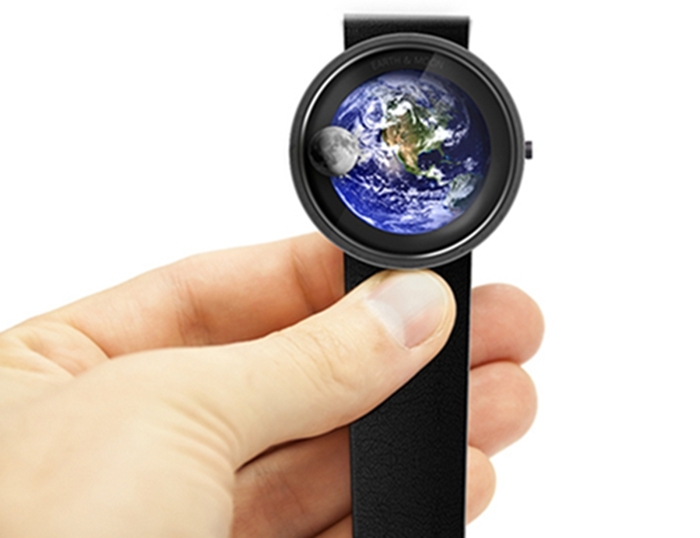 Stunning watch - Ear
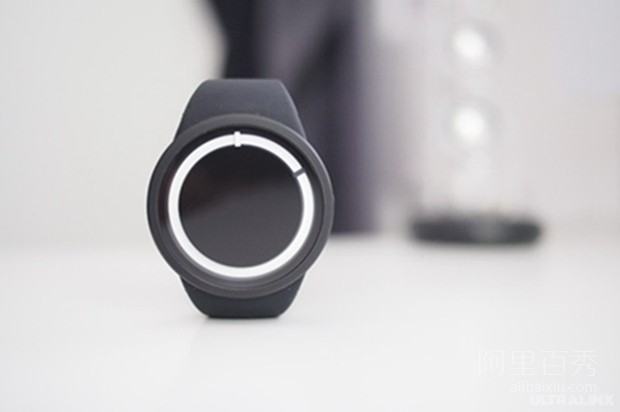 The ZIIIRO Eclipse w
 The rechargeable tre
 The world's tallest
 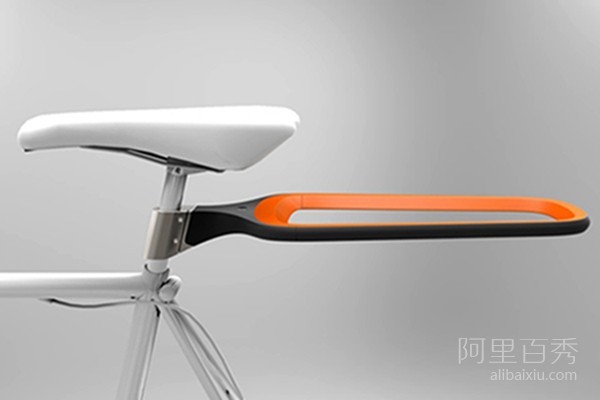 The detachable bicyc
 Embracing the Latest
 Can you easily turn
  Finding Fitness Bala