Lifestyle
Key Takeaways
- India's automotive sector has expanded dramatically since the liberalization reforms in 1991.
- New policies have attracted foreign investment and technology, boosting local manufacturing.
- The Indian automotive market is expected to reach $300 billion by 2026.
- Modern vehicles emphasize safety, technology, and eco-friendliness.
- India is now the world's third-largest automotive market.
The Beginning of a New Era
The transformation of India's automotive industry can be traced back to 1991 when the country underwent major economic reforms. These reforms dismantled the longstanding protectionist policies that had stifled growth in various sectors, including automobiles. By opening the market to foreign investors, India created a competitive landscape that encouraged innovation and technological advancement. The influx of international automotive giants led to a significant leap in the quality and variety of vehicles available to consumers.
Accelerating Growth and Innovation
As a result of these reforms, the Indian automotive market has experienced exponential growth. According to the Society of Indian Automobile Manufacturers, the sector produced over 26 million vehicles in the fiscal year 2021-2022 alone. This remarkable output underscores the industry's importance in terms of employment, contributing around 35 million jobs across various segments including manufacturing, sales, and repairs.
Impact on Lifestyle and Economy
The growth of the automotive sector has significantly influenced the Indian lifestyle. Increased vehicle ownership has changed how people commute, contributing to urban congestion but also facilitating mobility in previously underserved areas. The economic impact is profound; the automotive industry is projected to contribute over 12% to India's GDP by 2026, further enhancing its role in the nation’s economic landscape.
Future Prospects and Sustainability
The future of India's automotive industry lies in sustainability and technological advancement. The government is pushing for electric vehicles (EVs) as part of its commitment to combat climate change. Initiatives like the Faster Adoption and Manufacturing of Electric Vehicles (FAME) scheme aim to create an ecosystem around electric mobility, catering to a growing environmentally conscious consumer base.
Challenges Ahead
Despite the positive trajectory, the industry faces challenges, including navigating regulatory frameworks, meeting environmental standards, and maintaining competitive pricing. Moreover, the rise of digital technology and e-commerce demands that automotive companies adapt quickly to changing consumer preferences.
Conclusion
India's automotive industry stands as a testament to the power of reform and innovation. Over the past 35 years, it has not only reshaped the economy but also transformed the way millions of people experience mobility. As India gears up for a more sustainable future, it will be intriguing to see how the automotive landscape evolves, potentially leading it to take the lead in the global market.
Reproduction without permission is prohibited: Lifestyle » Revving Up: India’s Automotive Evolution Over 35 Years
 Stunning watch - Ear
 The ZIIIRO Eclipse w
 The rechargeable tre
 The world's tallest
 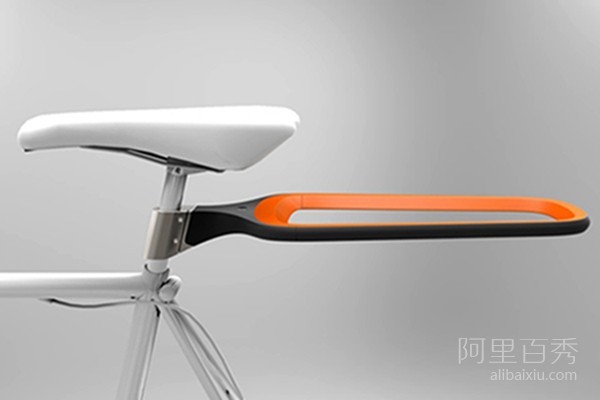 The detachable bicyc
 Embracing the Latest
 Can you easily turn