Lifestyle
Key Takeaways
- Nail polishes can harbor harmful fungi.
- Sharing tools increases contagion risk.
- Regularly disinfect your nail tools.
- Use personal products for better hygiene.
- Consult a dermatologist for nail issues.
Understanding the Risks of Sharing Nail Polish
As beauty trends evolve, so do the practices that come with them. One popular habit among friends and family is sharing beauty products, especially nail polish. However, while this may seem harmless, the potential health risks associated with sharing nail polish can be significant, particularly regarding fungal infections. Understanding these risks is essential, especially as we approach the summer months, when nail care is often a top priority.
How Fungal Infections Occur
Fungal infections thrive in warm and damp environments, making nail polish a potential breeding ground for unwanted organisms. When sharing polish, you expose yourself to fungi that might linger in the bottle or the applicator brush. A study by the American Academy of Dermatology indicated that around 10% of nail fungus cases are caused by shared cosmetic tools, emphasizing the importance of personal hygiene.
Signs of Nail Fungus
Nail fungus can manifest in various ways, from discoloration to an unpleasant odor. Here are the common signs to watch for:
- Thickened nails
- Discoloration (yellow, white, or brown)
- Crumbling edges
- Separation from the nail bed
- Pain or discomfort in the affected area
Preventive Measures to Take
While it may be tempting to borrow a friend’s favorite nail polish, it’s crucial to prioritize your health. Here are some effective strategies to minimize your risk:
1. Personal Nail Care Products
Invest in your own nail care kit, including polishes, files, and brushes. By doing so, you reduce the risk of exposure to harmful fungi. This practice is particularly vital in regions like Southeast Asia, where high humidity can exacerbate fungal growth.
2. Proper Cleaning Techniques
Always clean your nail tools thoroughly after each use. Soak tools in a solution of warm water and soap, or use alcohol wipes to disinfect them effectively. A clean tool is your best defense against infections.
3. Avoid Sharing
If you must share, limit the exchange to unopened products. Unsealed items have a higher risk of contamination and should be avoided wherever possible.
When to Seek Professional Help
If you notice signs of nail fungus, don’t delay in seeking professional advice. A dermatologist can provide guidance tailored to your condition and may recommend topical treatments or oral medications to effectively combat the infection.
Consulting A Dermatologist
Regular check-ups with a skin expert, especially if you regularly frequent nail salons or share products, can help catch any issues early. Keeping track of your nail health is just as important as caring for the rest of your body.
Conclusion
In conclusion, while sharing nail polish may appear harmless, the risks of acquiring nail fungus are real and significant. By adopting personal nail care practices, maintaining hygiene, and seeking professional assistance when necessary, you can enjoy beautiful nails without compromising your health. Stay vigilant and prioritize your wellness in all beauty pursuits.
Reproduction without permission is prohibited: Lifestyle » The Risk of Nail Fungus: Sharing Polish and Its Implications
 The ZIIIRO Eclipse w
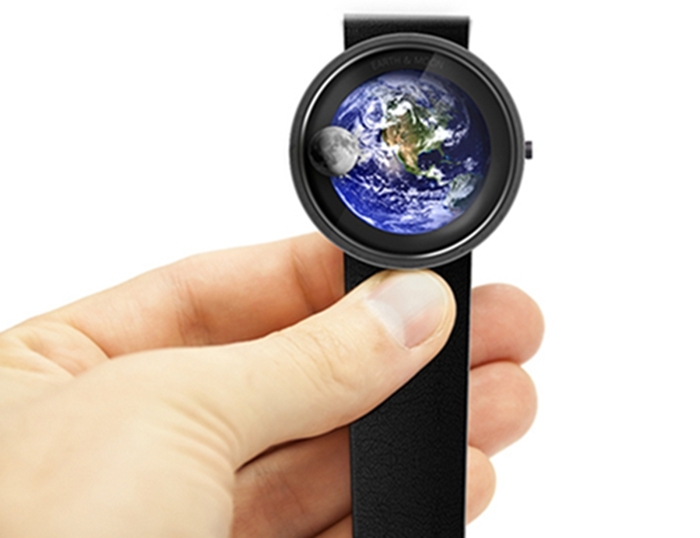 Stunning watch - Ear
 The rechargeable tre
 The world's tallest
  The detachable bicyc
 Embracing the Latest
 Can you easily turn
  Lorenzo Musetti: The