
 Lifestyle
Understanding the Impact of AI on Transportation
Artificial Intelligence (AI) is not just a buzzword in the transportation sector; it has become a pivotal force driving innovation and efficiency. With a projected market growth to $10.8 billion by 2027, the implications for countries in Southeast Asia, particularly Indonesia—home to bustling cities like Jakarta and Surabaya—are profound. The integration of AI technologies is set to reshape how both goods and people are transported, enhancing safety, optimizing routes, and reducing operational costs.
Key Takeaways
- AI technology in transportation is projected to reach $10.8 billion by 2027.
- Southeast Asia is becoming a crucial market for AI solutions in transportation.
- AI applications enhance safety and efficiency in logistics and personal travel.
- Innovations include autonomous vehicles and smarter traffic management systems.
- Countries like Indonesia are rapidly adopting AI technologies in various sectors.
The Current Landscape of AI Applications in Transportation
AI is currently being deployed in numerous applications within the transportation industry. In cities such as Bali, ride-hailing services leverage AI to match drivers with passengers efficiently, while logistics companies utilize machine learning algorithms for route optimization. These real-time data applications reduce delivery times and fuel consumption, significantly benefiting the environment and the economy.
Autonomous Vehicles and Their Adoption
One of the most talked-about advancements is the development of autonomous vehicles. Companies are increasingly investing in self-driving technology, which promises to revolutionize personal and commercial transportation. In ASEAN countries, these innovations are gradually being introduced, with pilot projects already underway in major urban areas.
Smart Traffic Management Systems
Another critical AI application is in traffic management systems. By analyzing traffic patterns and utilizing real-time data, cities can optimize traffic flow and reduce congestion. For instance, Jakarta is implementing AI-driven solutions to manage its notoriously dense traffic, aiming to improve commuter experiences significantly.
Challenges and Opportunities in the AI Transportation Market
While the potential for AI in transportation is vast, there are challenges to overcome. Issues such as regulatory hurdles, public acceptance, and infrastructure readiness pose significant barriers. However, the growing demand for efficient and sustainable transportation solutions provides a unique opportunity for innovation and investment.
Regulatory and Infrastructure Considerations
Governments across Southeast Asia will need to adapt regulations that facilitate AI technology adoption, ensuring safety and compliance. Moreover, upgrading infrastructure to support AI applications is critical. This includes enhancing internet connectivity and establishing smart city frameworks that can accommodate advanced technologies.
Increasing Consumer Awareness
Consumer awareness and acceptance of AI technologies are essential for their successful implementation. Educational initiatives that inform the public about the benefits of AI in transportation can foster greater acceptance and encourage more widespread use of these technologies.
Conclusion: Future Prospects for AI in Transportation
The integration of AI in transportation is no longer a distant prospect; it is unfolding now, especially in vibrant markets like Indonesia. As we move toward 2027 and beyond, stakeholders from government to private sectors must collaborate to harness AI's full potential, ensuring sustainable and efficient transportation solutions. The future of travel and logistics is being shaped by AI today, with Southeast Asia poised to lead the charge.
Reproduction without permission is prohibited: Lifestyle » Exploring the Rise of AI in Transportation: Key Insights for 2023
 The ZIIIRO Eclipse w
 Stunning watch - Ear
 The rechargeable tre
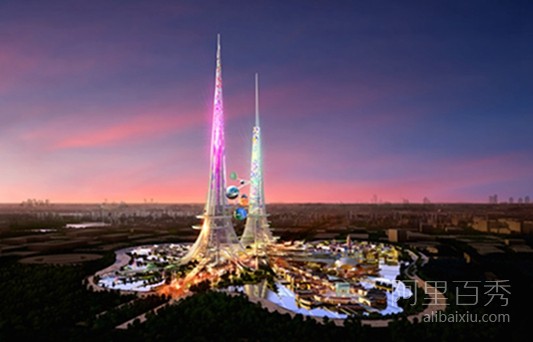 The world's tallest
 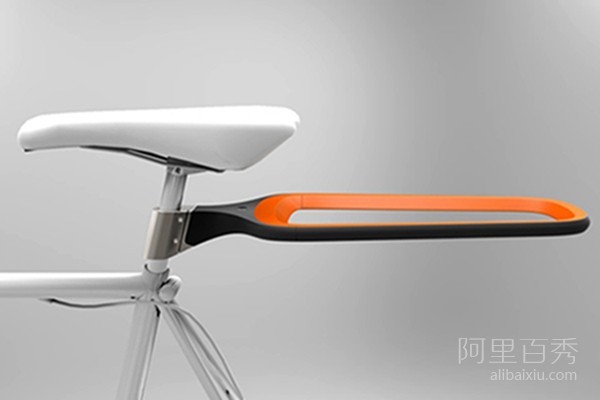 The detachable bicyc
 Embracing the Latest
 Can you easily turn
  Lorenzo Musetti: The