Lifestyle
Key Takeaways
- Retail logistics projected to hit $429.84 billion by 2024.
- Rapid e-commerce growth fuels the logistics sector.
- Technology boosts operational efficiency and tracking.
- Southeast Asia, particularly Indonesia, shows significant market potential.
- Consumer expectations drive changes in warehouse and delivery methods.
Understanding Retail Logistics Growth
The retail logistics market is undergoing a transformative phase, with expectations to grow substantially, reaching a whopping $429.84 billion by 2024. This growth is primarily driven by the explosive increase in online shopping, especially in regions like Southeast Asia. Countries like Indonesia, with its bustling cities such as Jakarta, Surabaya, and Bali, are at the forefront of this evolution.
As consumers increasingly turn to digital platforms for their shopping needs, the need for efficient logistical solutions has never been greater. This shift is influencing logistics strategies and operations, pushing companies to innovate to keep pace with demand.
The Evolving Landscape of E-Commerce
The rise of online shopping is a significant driver behind the expansion of the retail logistics market. In 2023 alone, e-commerce sales surged by 22% in Indonesia, outpacing global growth averages. This rapid expansion signifies a shift in consumer behavior, where convenience and speed have become paramount.
Technology's Role in Logistics Optimization
Technological advancements are reshaping the logistics landscape. Automation, artificial intelligence, and big data analytics are being integrated into supply chains to enhance efficiency and reduce costs. These technologies provide businesses with real-time data, facilitating better decision-making and improving customer service.
Key Innovations
- AI-Driven Insights: Companies are leveraging AI to predict consumer behavior and optimize inventory levels.
- Real-Time Tracking: Enhanced tracking systems allow customers to receive updates on their orders, improving transparency.
- Automation in Warehousing: Automated systems are streamlining operations, reducing human error, and speeding up order fulfillment.
Consumer Expectations and Logistic Strategies
Today's consumers demand fast delivery, transparency, and a seamless shopping experience. Retailers must adapt their logistics strategies to meet these expectations, which include providing free shipping options and flexible delivery times. As a result, logistics companies are re-evaluating their distribution networks and last-mile delivery methods to improve service levels.
Adapting to Market Needs
- Investment in Last-Mile Delivery: Companies are focusing on efficient last-mile logistics solutions to enhance customer satisfaction.
- Partnerships and Collaborations: Collaborating with technology providers can streamline operations and expand service offerings.
- Environmental Considerations: Sustainable practices are increasingly important, influencing logistics operations.
Conclusion: The Future of Retail Logistics
The rapid growth of the retail logistics sector presents numerous opportunities for businesses operating within the industry. Companies that adapt to the changing landscape by embracing technology and focusing on customer expectations will likely thrive in this competitive environment. With the Southeast Asian market, particularly Indonesia, on the rise, the future of retail logistics looks promising.
Reproduction without permission is prohibited: Lifestyle » Retail Logistics Market Set to Surge: Key Insights for 2024
 The ZIIIRO Eclipse w
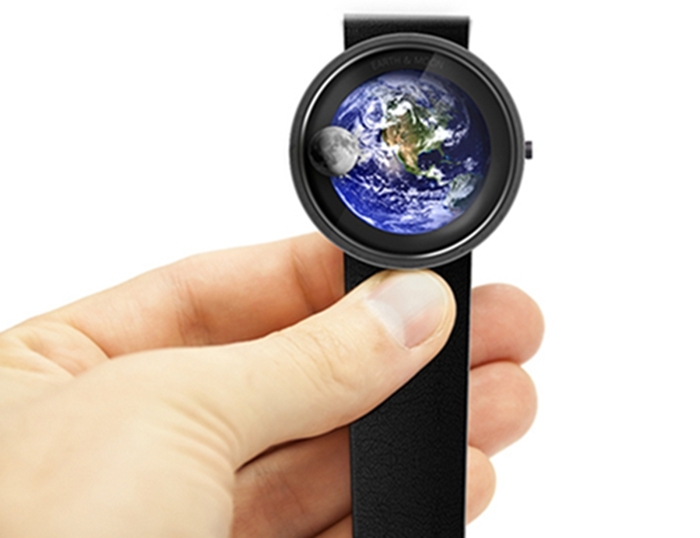 Stunning watch - Ear
 The rechargeable tre
 The world's tallest
  The detachable bicyc
 Embracing the Latest
 Can you easily turn
  Lorenzo Musetti: The