Lifestyle
Key Takeaways
- Limit unhealthy snacks after 5 P.M. to maintain heart health.
- Avoid screens to improve sleep quality and reduce stress.
- Manage stress effectively to lower stroke risk.
- Stay away from caffeine late in the day to ensure better sleep.
- Be mindful of evening routines for better cardiovascular health.
The Impact of Evening Routines on Heart Health
As the sun sets and the day winds down, many individuals in Southeast Asia, particularly in bustling cities like Jakarta and Surabaya, engage in habits that can adversely affect heart health. In the quest for wellness, awareness of evening practices is critical. Recent studies highlight that what we do after 5 P.M. can play a crucial role in stroke risk and overall heart health.
1. Unhealthy Eating Habits
One of the major pitfalls in evening routines is indulging in unhealthy snacks. Studies suggest that late-night eating, especially high-calorie snacks, can lead to weight gain and increased blood pressure, both of which are significant stroke risk factors. Instead of reaching for chips or sugary treats, consider healthier options like fruits or nuts. This shift can enhance your heart's resilience against stroke.
Healthy Snack Alternatives
- Fruits such as apples or bananas
- Nuts like almonds or walnuts
- Vegetable sticks with hummus
2. Excessive Screen Time
In our digital age, evening hours often revolve around screens. However, excessive screen time can disrupt sleep patterns and increase stress levels. The blue light emitted by devices can interfere with melatonin production, making it harder to fall asleep. Prioritizing tech-free time before bed can significantly enhance your sleep quality, thus supporting cardiovascular health. Consider engaging in calming activities like reading or meditating instead.
Screen-Free Activities
- Reading a book or magazine
- Practicing mindfulness or meditation
- Going for a relaxing evening walk
3. Managing Stress Levels
High-stress levels can trigger a cascade of harmful effects on your cardiovascular system. Stress hormones can raise blood pressure and heart rate, increasing the likelihood of a stroke. Engaging in stress-reduction techniques, such as yoga or deep breathing exercises, can be beneficial. As the ASEAN region continues to develop, the importance of incorporating stress management in daily life cannot be overstated.
Stress Reduction Techniques
- Yoga or stretching exercises
- Deep breathing exercises
- Engaging in hobbies or creative outlets
4. Caffeine Consumption
Many people enjoy their evening coffee or tea, but consuming caffeine late in the day can be detrimental. Caffeine can stimulate the nervous system, making it difficult to unwind and get a restful night's sleep. Poor sleep has been linked to increased cardiovascular issues, including higher stroke risks. Aim to limit caffeine intake after 3 P.M. to support a healthier heart.
Alternatives to Caffeine
- Herbal teas like chamomile or peppermint
- Decaffeinated coffee or tea
- Warm milk for a soothing bedtime drink
Conclusion
As we navigate our evening routines, understanding how our habits impact our heart health is essential. By avoiding unhealthy eating, excessive screen time, high stress, and late caffeine consumption, individuals can significantly lower their stroke risk and promote well-being. In the dynamic markets of Indonesia and the broader Southeast Asian region, prioritizing heart health through mindful evening practices is more important than ever.
Reproduction without permission is prohibited: Lifestyle » Evening Habits to Avoid for a Healthier Heart
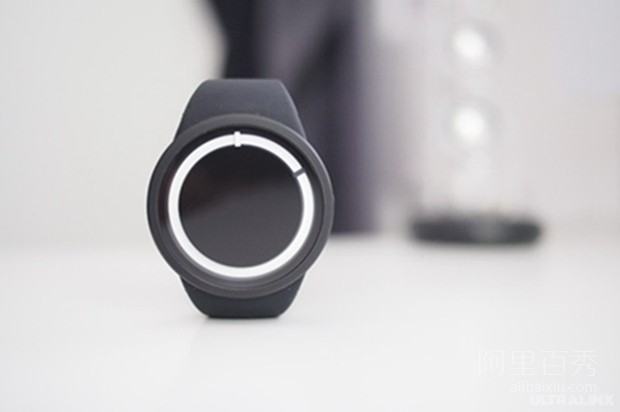 The ZIIIRO Eclipse w
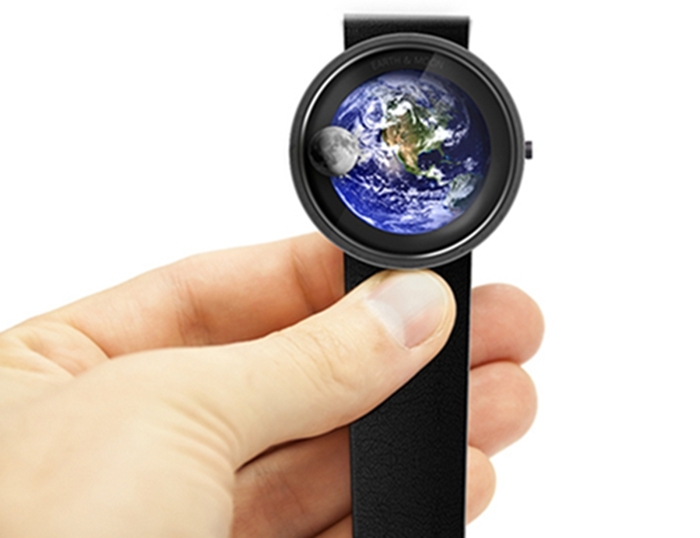 Stunning watch - Ear
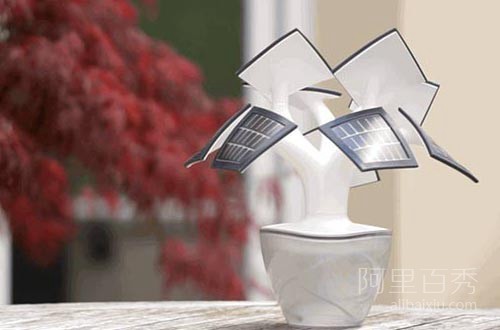 The rechargeable tre
 The world's tallest
  The detachable bicyc
 Embracing the Latest
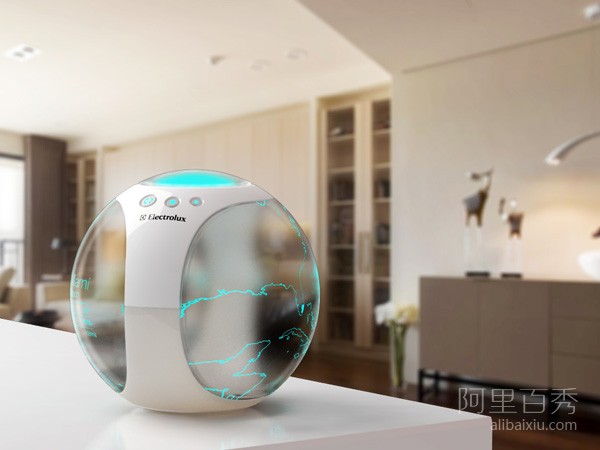 Can you easily turn
  Lorenzo Musetti: The