Lifestyle
Key Takeaways
- Float glass production faces a notable downturn.
- Overcapacity is contributing to market instability.
- Demand has decreased in key Southeast Asian markets.
- Regional manufacturers are adjusting strategies to cope.
- Potential recovery hinges on global economic conditions.
The Current State of the Float Glass Industry
The float glass sector, a vital component of the construction and automotive industries, is experiencing a difficult phase. With a marked decline in demand and an oversupply of products, many manufacturers are now reassessing their operational strategies. As of 2023, reports indicate that the float glass market is witnessing significant challenges, particularly in regions like Southeast Asia, where demand has not met expectations.
Why Demand is Down
Several factors are contributing to the contraction in the float glass industry. The ongoing economic fluctuations have led to diminished construction activities, particularly in Indonesia’s bustling cities like Jakarta and Surabaya. Furthermore, consumer behavior has shifted, with fewer investments in new constructions, impacting the overall demand for float glass products.
Regional Impact
In Southeast Asia, particularly in Indonesia, the construction sector's slowdown is causing ripple effects throughout the float glass supply chain. In Bali and other tourist hotspots, projects that once promised growth are either stalled or canceled, further exacerbating the situation. Industry analysts predict that without intervention, the market may continue to struggle.
Excess Capacity: A Double-Edged Sword
One of the significant issues plaguing the float glass industry is the excess production capacity. Many manufacturers ramped up production in previous years, anticipating steady growth. However, with current demand figures falling short, this excess capacity is now a liability, resulting in increased operational costs and decreased profitability for companies unable to adapt quickly.
Strategic Adjustments in the Industry
To cope with these challenges, many float glass manufacturers are reconsidering their strategies. Some companies are looking to diversify their product offerings, focusing on specialized glass products that cater to niche markets. Others are exploring technological advancements to optimize production processes, reduce costs, and increase efficiency.
Future Prospects and Recovery
Looking ahead, the potential for recovery in the float glass industry largely depends on external economic conditions. A revitalization in construction activities, spurred by government initiatives or increased investments, could help stabilize demand. Additionally, global economic recovery post-pandemic will be critical for improving market conditions.
The Role of Technology and Innovation
Innovation will play a crucial role in the industry's recovery. Manufacturers that invest in advanced technologies may find themselves better positioned to meet evolving consumer demands. Sustainable practices and energy-efficient production methods are gaining traction within the industry, appealing to a more environmentally conscious consumer base.
Conclusion
The float glass industry is currently navigating a challenging landscape marked by weak demand and excess capacity. As companies in Southeast Asia adapt to these conditions, a focus on innovation and strategic adjustments will be essential for future success. While the road to recovery is fraught with obstacles, proactive measures may help stabilize and revitalize the market.
Reproduction without permission is prohibited: Lifestyle » Float Glass Industry Faces Challenges Amidst Demand Decline
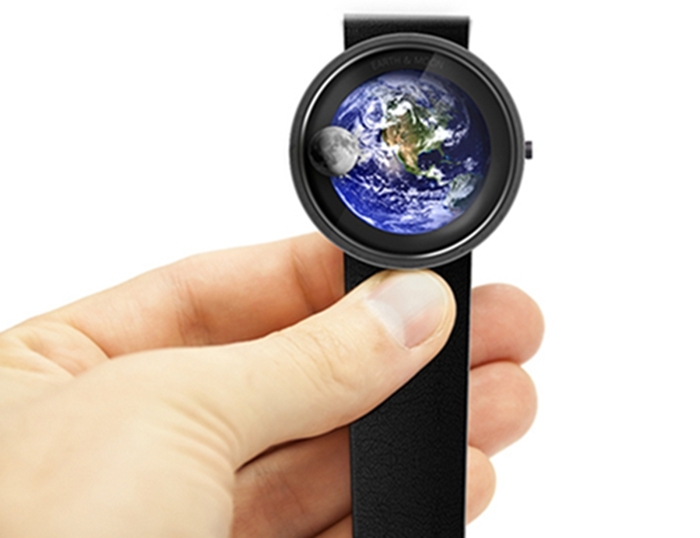 Stunning watch - Ear
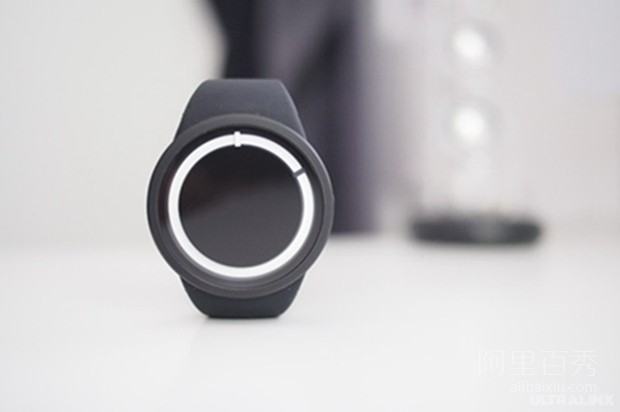 The ZIIIRO Eclipse w
 The rechargeable tre
 The world's tallest
  The detachable bicyc
 Embracing the Latest
 Can you easily turn
  Lorenzo Musetti: The