
 Lifestyle
Key Takeaways
- A blood sugar level of 19 mmol/L indicates hyperglycemia.
- Symptoms include excessive thirst, frequent urination, and fatigue.
- Long-term high blood sugar can lead to complications like heart disease.
- Regular monitoring is crucial for individuals at risk.
- Diet and exercise play a vital role in managing blood sugar levels.
What Does a Blood Sugar Level of 19 Mean?
A blood sugar level of 19 mmol/L (or about 342 mg/dL) is significantly above the normal range, which is generally between 4.0 to 7.8 mmol/L (72 to 140 mg/dL) depending on whether you are fasting or post-meal. This state of hyperglycemia can arise from various factors such as poor dietary choices, lack of physical activity, or underlying health conditions like diabetes.
Possible Causes of High Blood Sugar
Understanding the underlying causes is essential for effective management. Here are some common triggers:
- Uncontrolled diabetes: Insufficient insulin production or action can lead to elevated blood sugar levels.
- Poor diet: High sugar and carbohydrate intake can spike blood sugar.
- Physical inactivity: Regular exercise helps regulate blood sugar levels.
- Stress: Physical or emotional stress can affect blood glucose levels.
- Medications: Some medications may lead to increased blood sugar levels.
Risks Associated with High Blood Sugar Levels
Consistently elevated blood sugar levels can cause significant health issues, particularly in Southeast Asia, where diabetes prevalence is rising. According to the International Diabetes Federation, Indonesia alone has millions of affected individuals.
Complications of Long-Term Hyperglycemia
Prolonged high blood sugar can lead to serious complications:
- Cardiovascular Disease: High blood sugar can damage blood vessels and nerves, increasing heart disease risk.
- Neuropathy: Nerve damage can result in pain or numbness, particularly in the extremities.
- Kidney Damage: The kidneys filter excess sugar, and prolonged high levels can lead to kidney disease.
- Eye Issues: Diabetic retinopathy can cause vision problems and blindness.
Management Strategies for High Blood Sugar Levels
Effective management is crucial to reducing the risks associated with high blood sugar. Here are some strategies for individuals, especially in the Indonesian and broader ASEAN markets:
Dietary Modifications
Adopting a balanced diet rich in whole foods can significantly impact blood sugar management:
- Focus on low-glycemic foods that do not cause rapid sugar spikes.
- Incorporate plenty of vegetables, lean proteins, and healthy fats.
- Limit refined sugars and highly processed carbohydrates.
Regular Physical Activity
Exercise is a powerful tool in managing blood sugar levels. Aim for at least 150 minutes of moderate exercise per week:
- Walking, cycling, and swimming are excellent options.
- Incorporate strength training to improve insulin sensitivity.
Routine Monitoring
For those at risk, regular monitoring of blood sugar can help detect issues early:
- Use home glucose monitors to keep track of levels.
- Consult healthcare professionals for personalized advice.
Medication and Professional Support
If lifestyle changes are insufficient, medications may be necessary:
- Insulin therapy may be required for type 1 diabetes or advanced type 2 diabetes.
- Discuss medication options with your healthcare provider.
Conclusion
A blood sugar level of 19 mmol/L is a serious condition that warrants immediate attention. With proper management, individuals can take proactive steps to lower their blood sugar levels and reduce associated health risks. Awareness and education are key factors in combating high blood sugar, especially in regions like Southeast Asia where diabetes is on the rise. By focusing on diet, exercise, and regular monitoring, individuals can lead healthier lives.
Reproduction without permission is prohibited: Lifestyle » Understanding High Blood Sugar Levels: What You Need to Know
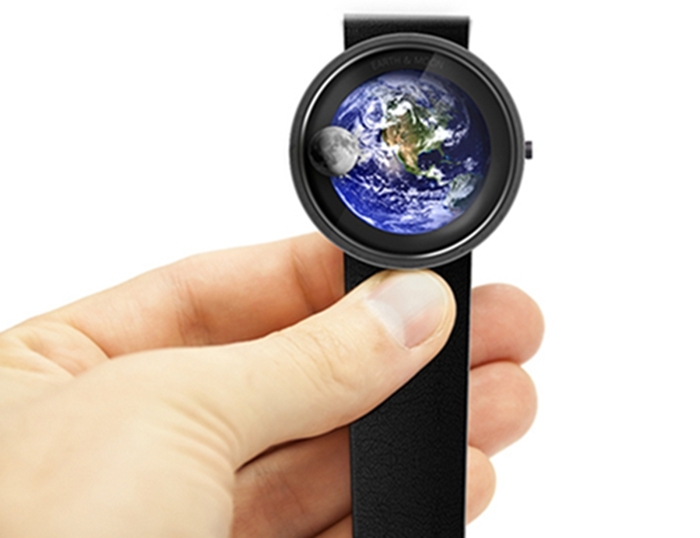 Stunning watch - Ear
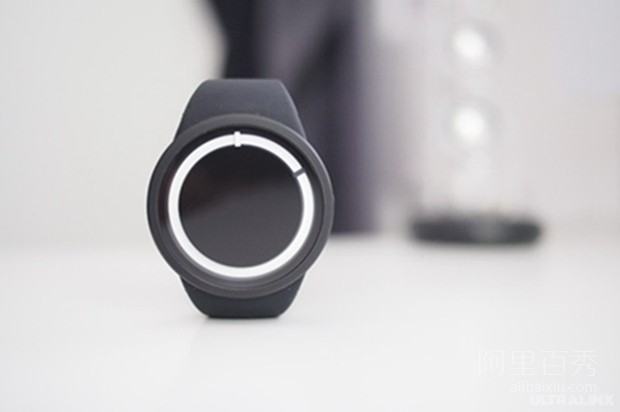 The ZIIIRO Eclipse w
 The rechargeable tre
 The world's tallest
 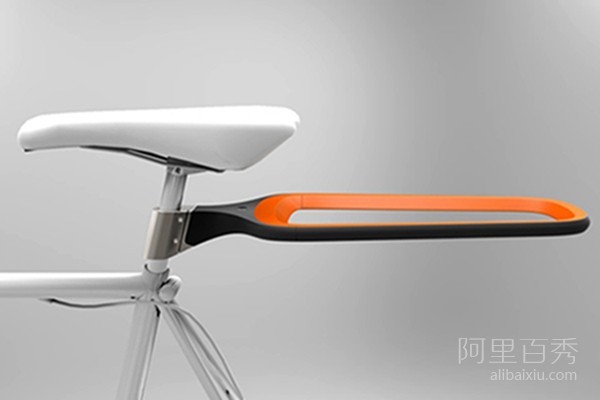 The detachable bicyc
 Embracing the Latest
 Can you easily turn
  Lorenzo Musetti: The