Lifestyle
Key Takeaways
- Enhanced natural killer cells can penetrate solid tumors.
- These cells are effective against melanoma and head and neck cancers.
- Combination with antibody drugs boosts their efficacy.
- Research is advancing rapidly, with potential clinical applications.
- Innovative approaches are crucial for improving cancer treatment outcomes.
The Breakthrough in Cancer Treatment
In a groundbreaking development in the field of oncology, researchers have successfully enhanced the power of natural killer (NK) cells, a type of immune cell known for their ability to attack cancerous cells. This advancement represents a significant leap forward in cancer treatment, particularly in addressing challenges posed by solid tumors, which have historically been difficult to penetrate.
The recent study revealed that these supercharged NK cells not only infiltrate solid tumors more effectively but also maintain their activity once inside. This new approach has demonstrated remarkable results in mice, significantly slowing the growth of various tumors, including melanoma and cancers of the head and neck.
How Natural Killer Cells Work
Natural killer cells play a crucial role in the immune system, acting as the body's first line of defense against tumors. They can recognize and destroy infected or cancerous cells. However, the physical barriers within solid tumors often hinder their effectiveness. By supercharging these NK cells, researchers aim to enhance their ability to breach these defenses and eliminate cancer cells more efficiently.
The Research Methodology
The study employed a novel technique to prepare tissue-resident NK cells, which are derived from the tissue surrounding the tumors. This preparation enhanced their functionality and persistence within the tumor environment. When combined with the antibody drug cetuximab, a treatment often used for certain cancers, the supercharged NK cells showed even greater efficacy, providing a dual attack on the tumor cells.
Implications for Future Cancer Therapies
The findings from this research hold immense potential for reshaping cancer therapies in the near future. As the medical community continues to explore the possibilities of immunotherapy, these advancements could lead to more effective treatment protocols that improve patient outcomes. The ability to utilize the body’s own immune system to combat cancer marks a pivotal shift in how we approach treatment.
Potential for Clinical Applications
While the current study is based on animal models, the implications for human therapies are promising. Researchers are optimistic that further clinical trials will validate these findings, opening doors to innovative treatments for patients battling hard-to-treat cancers.
A Global Perspective: The Need for Innovative Cancer Solutions
The global landscape of cancer treatment continues to evolve, particularly in regions like Southeast Asia, which faces increasing cancer rates. Countries like Indonesia are experiencing a rise in cancer cases, magnifying the urgency for innovative solutions. The advancements in supercharging NK cells could be a pivotal contribution to the healthcare systems in these regions.
In Indonesia, especially in urban areas such as Jakarta and Surabaya, the demand for effective cancer treatments is escalating. This research could pave the way for new therapies that not only improve survival rates but also bring hope to patients and their families.
Conclusion: A Hopeful Future
The supercharging of natural killer cells represents a significant milestone in cancer research. This innovative approach may offer a new hope for patients facing solid tumors, highlighting the importance of continued research and investment in immunotherapy. As we anticipate further developments from this exciting research, the potential for transforming cancer treatment continues to grow, offering a brighter future for patients worldwide.
Reproduction without permission is prohibited: Lifestyle » Revolutionary Cancer Treatment: Supercharging Immune Cells for the Future
 Stunning watch - Ear
 The ZIIIRO Eclipse w
 The rechargeable tre
 The world's tallest
  The detachable bicyc
 Embracing the Latest
 Can you easily turn
 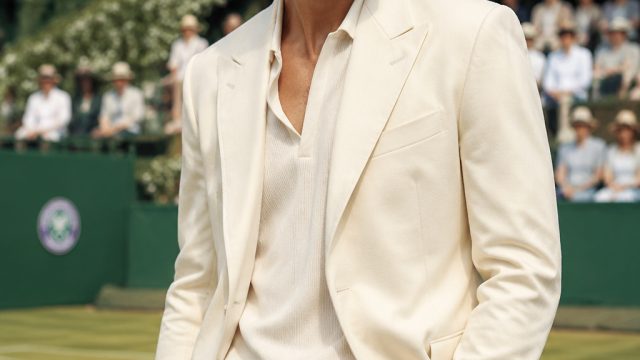 Lorenzo Musetti: The