Lifestyle
Key Takeaways
- Indigo light is crucial for eye health, especially in children.
- Indoor LEDs typically lack this essential wavelength.
- Research on tree shrews shows indigo light prevents myopia.
- Redesigning lighting can mimic natural sunlight.
- Myopia rates are increasing in urban regions like Southeast Asia.
The Importance of Indigo Light in Preventing Myopia
As myopia rates continually rise worldwide, particularly among children in urban areas, recent studies shine a light—quite literally—on the impact of indoor lighting on eye health. Researchers have identified that the absence of indigo light in common indoor LED lighting may play a significant role in the development of nearsightedness. This innovative research opens up potential avenues for redesigning lighting in homes and schools to better protect children’s vision.
Understanding Myopia and Its Causes
Myopia, or nearsightedness, occurs when the eye grows too long or the cornea is too curved, leading to difficulty seeing distant objects clearly. The rates of myopia have surged dramatically, with research indicating that nearly 50% of the global population could be affected by 2050. This troubling trend is particularly pronounced in regions like Southeast Asia, where rapid urbanization and lifestyle changes have resulted in less time spent outdoors and more exposure to screens.
The Research Findings
In the groundbreaking study involving tree shrews—whose ocular structure closely resembles that of humans—scientists found that exposure to indigo light effectively prevents the onset of myopia. This revelation raises the question: could altering indoor lighting systems help mitigate the risk of nearsightedness in children? The results suggest that integrating indigo light into indoor environments could significantly reduce myopia rates among the younger population.
Implications for Indoor Lighting Design
The findings prompt a reevaluation of the current indoor lighting solutions widely used today. Many popular LED lighting options lack critical wavelengths, particularly in the blue to indigo range. As a result, these lights fail to replicate the full spectrum of natural sunlight, which is essential for eye development and health.
Potential Changes in Lighting Solutions
With the knowledge of how indigo light influences eye health, manufacturers may begin developing lighting fixtures that integrate this essential wavelength. This could involve incorporating new technologies or modifying existing LED designs to enhance their spectrum. Such changes could transform environments in homes, schools, and public spaces, creating healthier atmospheres for children’s vision development.
Broader Health Considerations
The implications of this research extend beyond just eye health. As the world becomes more aware of the effects of lifestyle choices on well-being, this breakthrough provides a compelling case for rethinking how we approach indoor environments. Ensuring that our living spaces mimic the natural world can support physical health and mental well-being.
What This Means for Families and Communities
For families, understanding the importance of light exposure can lead to more informed choices regarding home lighting. Communities and schools could initiate campaigns to replace harmful lighting with healthier alternatives, potentially reducing the alarming rise in myopia among children. In areas like Jakarta, Surabaya, and Bali, where the urban lifestyle promotes indoor living, this shift is particularly critical.
Conclusion: A Vision for the Future
As research continues to unveil the intricate connections between light exposure and eye health, it becomes increasingly clear that our indoor environments must evolve to support our well-being. By prioritizing the integration of indigo light into indoor lighting solutions, we can take meaningful steps toward safeguarding the vision of future generations. The challenge now lies in the design and implementation of these innovative lighting strategies across various sectors, especially in rapidly urbanizing regions.
Reproduction without permission is prohibited: Lifestyle » Transforming Indoor Lighting: A New Approach to Eye Health
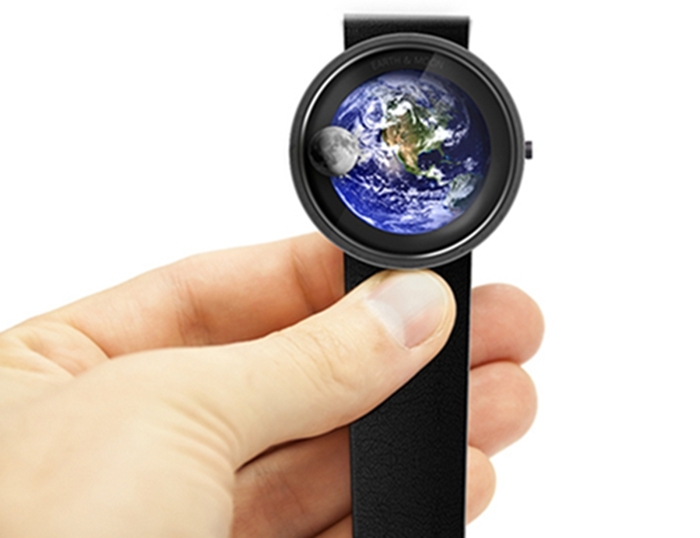 Stunning watch - Ear
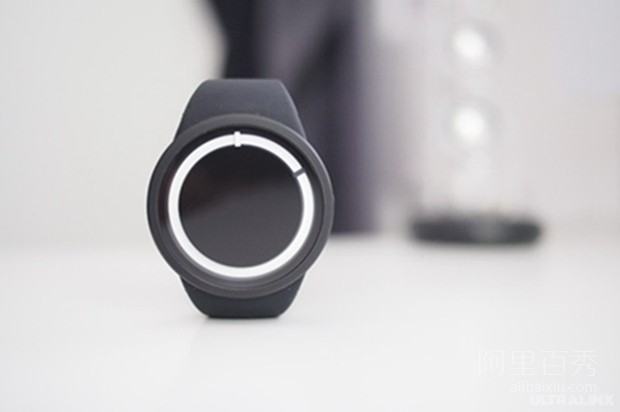 The ZIIIRO Eclipse w
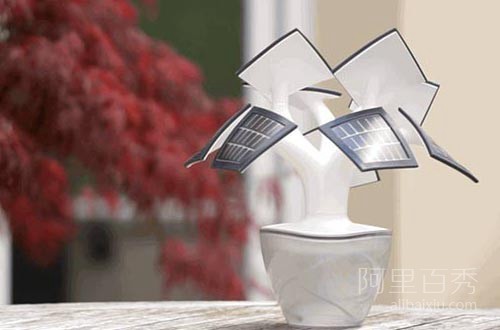 The rechargeable tre
 The world's tallest
 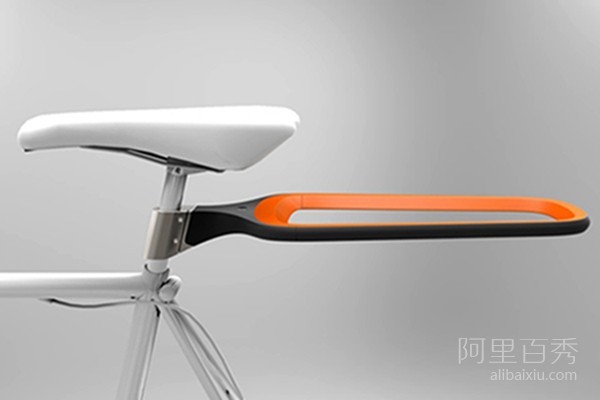 The detachable bicyc
 Embracing the Latest
 Can you easily turn
  Lorenzo Musetti: The