Lifestyle
Understanding Muscle Stiffness and Sleep
Muscle stiffness upon waking is a complaint many people experience, often attributing it to a hard workout or age. However, the role of sleep is often overlooked. Physiotherapists emphasize that inadequate or low-quality sleep can significantly contribute to muscle discomfort and stiffness. This issue is particularly relevant in light of our increasingly busy lifestyles, which frequently compromise sleep quality.
Key Takeaways
- Inadequate sleep can lead to muscle stiffness and discomfort.
- Physiotherapists highlight the connection between sleep quality and body performance.
- Good sleep hygiene practices can enhance overall wellness.
- In regions like Southeast Asia, sleep quality is becoming a growing concern.
- Implementing sleep strategies can reduce muscle recovery time.
Why Sleep Matters for Muscle Recovery
During sleep, the body goes through restorative processes essential for muscle recovery. This includes the release of growth hormones, which are vital for muscle repair and strength. If your sleep is disrupted, these processes fail to occur effectively, leading to stiffness upon waking.
The Physiological Connection
Sleep deprivation affects the body in various ways:
- Inflammation: Lack of sleep can increase inflammation in the body, contributing to musculoskeletal pain.
- Muscle Repair: Sleep is crucial for muscle recovery; insufficient rest hampers repair processes.
- Nervous System Reset: Quality sleep allows your nervous system to recover, reducing muscle tightness.
Practical Tips for Improving Sleep Quality
Enhancing your sleep can lead to significant improvements in muscle stiffness and overall health. Here are strategies to consider:
Establish a Sleep Routine
Going to bed and waking up at the same time every day can help regulate your body's internal clock, leading to better sleep quality.
Create a Restful Environment
Your bedroom should be conducive to rest. This means a cool, dark, and quiet space without distractions like screens or loud noises.
Limit Stimulants Before Bed
Avoid caffeine and heavy meals in the hours leading up to sleep. These can interfere with your ability to fall and stay asleep.
Incorporate Relaxation Techniques
Techniques such as deep breathing, yoga, or meditation can help calm the mind and prepare your body for sleep.
Conclusion: Prioritize Your Sleep for Better Health
In conclusion, the connection between sleep quality and muscle stiffness is significant and deserves attention, especially as many people in today's fast-paced world struggle with sleep issues. By prioritizing good sleep practices, individuals can improve their overall wellness, reduce muscle stiffness, and enhance their quality of life. The Southeast Asian market, particularly in urban areas like Jakarta and Surabaya, is becoming increasingly aware of these health connections, making it essential for everyone to understand the importance of sleep in managing muscle health and well-being.
Reproduction without permission is prohibited: Lifestyle » Unlocking the Secrets of Sleep: The Impact on Muscle Stiffness
 Stunning watch - Ear
 The ZIIIRO Eclipse w
 The rechargeable tre
 The world's tallest
 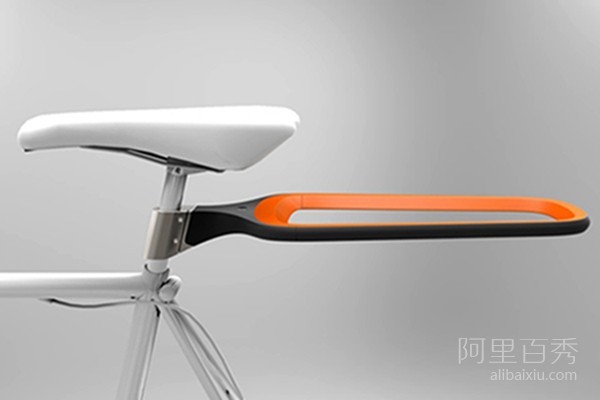 The detachable bicyc
 Embracing the Latest
 Can you easily turn
  Lorenzo Musetti: The