Lifestyle
Key Takeaways
- The global robotic biobanking market is set to hit $4.57 billion by 2027.
- Robotic solutions enhance efficiency and accuracy in sample management.
- Healthcare innovation is increasingly reliant on automation and robotics.
- Southeast Asia, particularly Indonesia, is seeing rising investments in biotech.
- Market growth reflects a global trend towards automation in healthcare.
The Rise of Robotic Biobanking
As the healthcare landscape continues to evolve, the introduction of robotic biobanking systems stands out as a significant innovation. The market for these advanced systems is projected to expand from $2.45 billion in 2022 to an astonishing $4.57 billion by 2027. This growth underscores a vital shift towards automation in the biobanking sector, driven by the need for increased efficiency, reliability, and scalability in managing biological samples.
Understanding Robotic Biobanking
Robotic biobanking involves the use of automated systems to manage, store, and process biological samples. These robotic systems offer numerous advantages over traditional methods, including:
- Enhanced precision in sample handling and processing.
- Increased throughput, allowing for more samples to be managed simultaneously.
- Reduced human error, contributing to greater data integrity.
- Streamlined operations, lowering the overall operational costs.
Why This Matters Now
The urgency for advanced biobanking solutions has never been greater. With the rise of personalized medicine and large-scale research projects, the demand for efficient biobanking has surged. Robotic biobanking systems are positioned to meet this demand by providing reliable and efficient solutions that support both research and clinical needs. Furthermore, as organizations seek to digitize their operations, robotics offers a pathway to modernization.
Market Trends and Innovations
Several trends are shaping the future of robotic biobanking:
- Integration of AI: The incorporation of artificial intelligence is enhancing the capabilities of robotic systems, improving decision-making and workflow management.
- Increased Investment: Venture capital and government funding in biotechnology are rising, especially in markets like Southeast Asia, which includes key players from Indonesia.
- Collaboration and Partnerships: Biobanking networks are forming strategic partnerships to leverage each other's technological strengths.
Regional Insights: Southeast Asia's Role
In Southeast Asia, the biobanking market, particularly within Indonesia, is gaining momentum. Cities like Jakarta and Bali are becoming hubs for biotechnology innovations, attracting investments from both local and international entities. This regional focus not only facilitates growth opportunities but also emphasizes the importance of local research in contributing to global health solutions.
Challenges Ahead
Despite the promising growth, the robotic biobanking sector faces challenges. Regulatory hurdles, the need for standardization, and ensuring data security are key issues that stakeholders must navigate. Additionally, the adoption of these technologies requires substantial investment and training.
Conclusion
The future of robotic biobanking is bright, with an expected market growth to $4.57 billion by 2027 signaling its integral role in transforming healthcare. As the industry continues to innovate and address the challenges ahead, stakeholders in the healthcare and biobanking sectors must adapt to this new reality to harness the full potential of these technologies. The increasing reliance on automation highlights the urgency for strategic investments and partnerships in this field.
Reproduction without permission is prohibited: Lifestyle » The Surge of Robotic Biobanking: A $4.57 Billion Market Opportunity
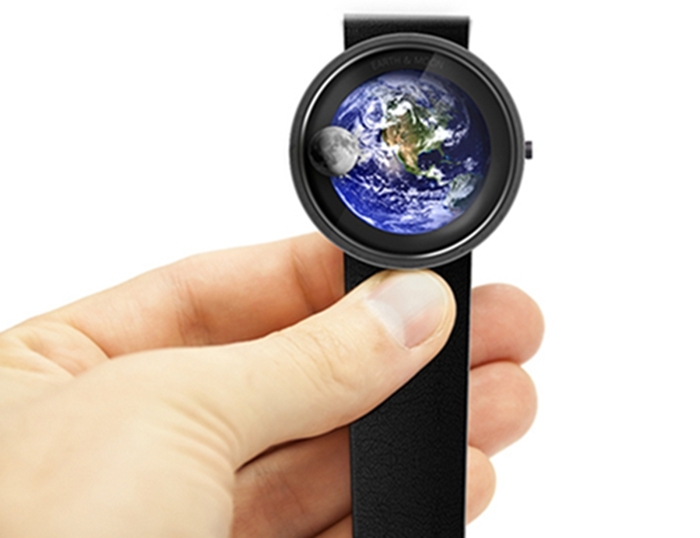 Stunning watch - Ear
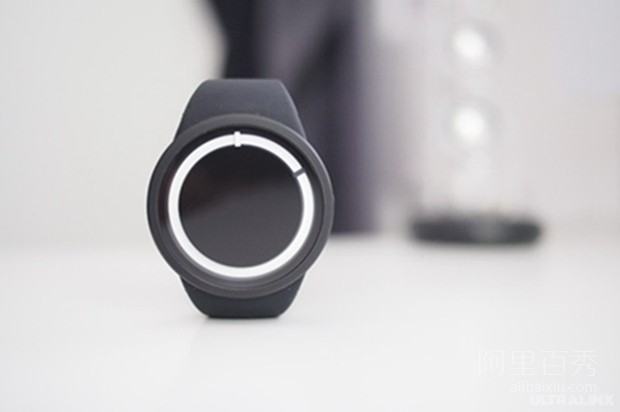 The ZIIIRO Eclipse w
 The rechargeable tre
 The world's tallest
  The detachable bicyc
 Embracing the Latest
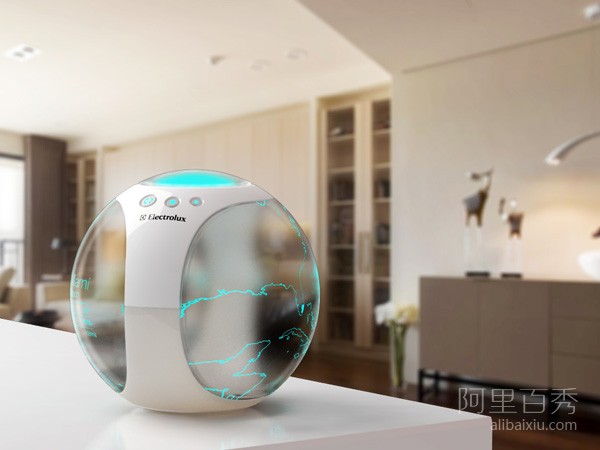 Can you easily turn
  Lorenzo Musetti: The