Lifestyle
A recent diagnosis of a rare tick-borne illness, the Powassan virus, in a Rhode Island resident has captured public attention and raised concerns about the spread of infectious diseases. As summer approaches and outdoor activities increase, understanding the nature of this virus and the risks associated with tick bites has never been more crucial.
What is Powassan Virus?
The Powassan virus is a rare but potentially severe viral infection transmitted by ticks, particularly the black-legged tick, more commonly known as the deer tick. This virus can lead to serious health complications, including neurological disorders, and in some cases, can be fatal. According to health experts, while the number of infections is low, the severity of the disease warrants awareness and preventative measures.
Symptoms to Watch For
Initial symptoms of Powassan virus infection can be mild but may escalate and include:
- Fever
- Headache
- Vomiting
- Weakness
- Confusion
- Seizures
If left untreated, it may lead to more severe manifestations, such as encephalitis or meningitis. It's essential for individuals experiencing these symptoms, especially after a tick bite, to seek medical attention promptly.
The Importance of Awareness
This recent case highlights the need for heightened awareness of tick-borne illnesses as outdoor activities increase. With people spending more time in nature, the likelihood of encountering ticks rises significantly. Here’s why this matters now:
Climate Change and Tick Populations
One of the driving factors for the spread of tick-borne diseases is climate change. Warmer temperatures allow ticks to thrive in previously uninhabitable areas, increasing the geographical range of diseases such as Powassan. As the climate continues to change, public health officials are urging communities to prepare for a rise in tick populations and associated illnesses.
Protective Measures
Preventing tick bites is key to avoiding the Powassan virus. Here are some effective strategies:
- Wear long sleeves and pants when in wooded or grassy areas.
- Use insect repellent containing DEET or other recommended chemicals.
- Perform thorough tick checks after outdoor activities.
- Shower promptly after being outdoors to wash off unattached ticks.
- Consider treating outdoor areas with tick control products.
Public Health Response and Resources
Following the diagnosis of this Powassan virus case, local health departments are disseminating resources to educate the public about prevention and symptoms. Community outreach programs are being intensified, with resources available online, including:
- Guidelines on safe outdoor practices
- Information about tick identification
- Data on infected tick populations in the region
Residents are encouraged to stay vigilant and informed. Utilizing resources from reputable health organizations can help mitigate risks associated with tick-borne diseases.
The Role of Healthcare Providers
Healthcare providers play an essential role in managing cases of tick-borne diseases. Patients with neurological symptoms following a tick bite should be evaluated promptly for possible Powassan virus infection. It’s vital for healthcare practitioners to maintain a high index of suspicion to ensure timely diagnosis and treatment.
Conclusion
The recent Powassan virus case in Rhode Island serves as a critical reminder of the potential dangers posed by tick-borne diseases. As public health officials work to inform and protect communities, individuals must remain proactive in their prevention strategies. By taking the necessary precautions, educating themselves about the risks, and reporting any concerning symptoms, residents can contribute to a healthier environment for everyone.
Reproduction without permission is prohibited: Lifestyle » Understanding the Recent Powassan Virus Case in Rhode Island | data keluar jepang hari ini 2020, liverpool ticket, super 133 slot
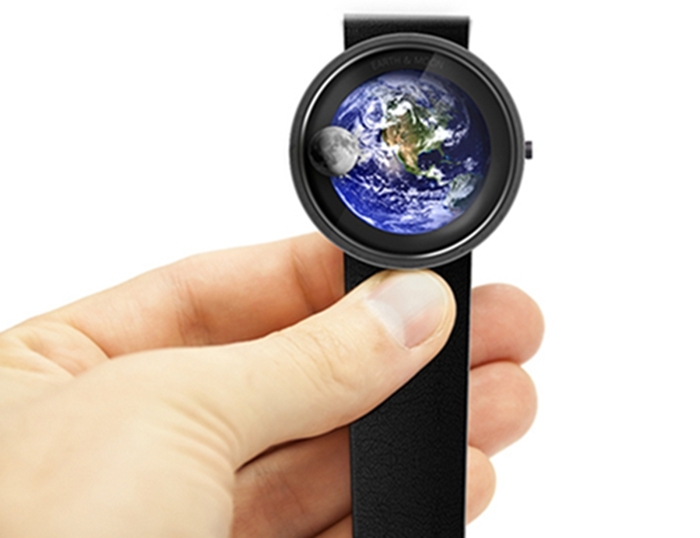 Stunning watch - Ear
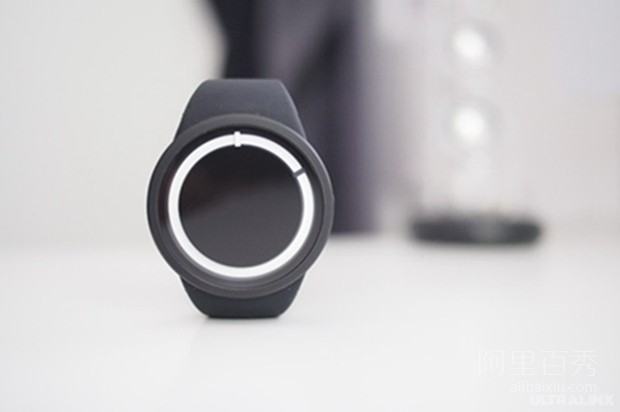 The ZIIIRO Eclipse w
 The rechargeable tre
 The world's tallest
 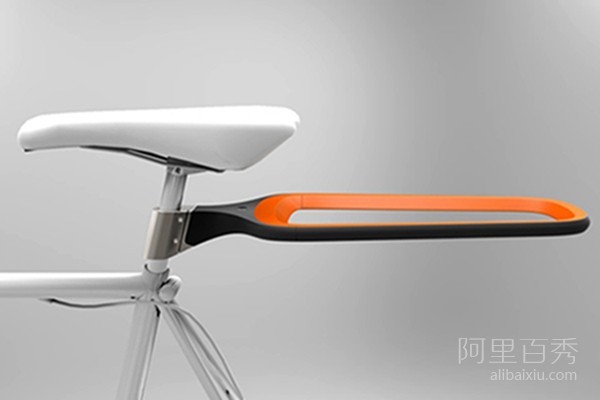 The detachable bicyc
 Embracing the Latest
 Can you easily turn
  Finding Fitness Bala