Lifestyle
In an era where technology continues to shape our daily lives, the evolution of smart thermostats stands out as a key innovation in home automation. As the world becomes more focused on energy efficiency and sustainable living, understanding how devices like Nest are transforming our living spaces is more important than ever. This article delves into the history and impact of smart thermostats, highlighting why homeowners should consider making the switch now.
The Birth of the Smart Thermostat
The journey of smart thermostats began with a vision to redefine home climate control. The introduction of the Nest Learning Thermostat in 2011 marked a significant leap forward in how people interact with their heating and cooling systems. Traditional thermostats offered minimal functionality, often resulting in wasted energy and discomfort. In contrast, the Nest device learned user preferences over time, adjusting settings automatically to optimize comfort and efficiency.
Innovations That Changed the Game
- Learning Algorithm: The Nest thermostat uses advanced algorithms to learn your schedule and preferences, ensuring your home remains comfortable at all times.
- Remote Access: With smartphone connectivity, users can adjust their thermostat settings from anywhere, providing convenience and control.
- Energy Reports: Nest provides monthly energy reports, enabling homeowners to track usage and make informed decisions on energy conservation.
Why Smart Thermostats Matter Today
As climate concerns and energy costs rise, the need for efficient home management solutions is paramount. Smart thermostats play a crucial role in this conversation, offering several advantages that resonate with today’s environmentally conscious consumer.
Environmental Impact
One of the most compelling reasons to adopt a smart thermostat is its positive impact on the environment. By effectively managing energy consumption, these devices help reduce carbon footprints significantly. This is especially relevant as more individuals strive to lead sustainable lifestyles, aligning personal choices with global needs.
Financial Savings
Investing in a smart thermostat can lead to substantial savings on monthly energy bills. Homeowners can experience savings upwards of 10-15% on heating and cooling costs. With rising energy prices, this technology enables a more budget-friendly home environment.
The Competitive Edge: A Look at Other Players
While Nest has established itself as a leader in the market, several competitors have emerged, offering various features that cater to different consumer needs. Brands like Ecobee, Honeywell, and the newly launched Sogo Slot 88 have introduced their own versions of smart thermostats, each promising unique functionalities.
Standing Out in the Smart Thermostat Market
- Ecobee: Known for its remote sensors, Ecobee thermostats allow users to monitor different areas of the house, ensuring no room is left uncomfortable.
- Honeywell: With a focus on user-friendly interfaces, Honeywell offers smart thermostats that integrate seamlessly with existing home systems.
- Sogo Slot 88: This new entrant focuses on affordability without compromising essential smart features, making it accessible for budget-conscious consumers.
Smart Thermostats and Your Health
Beyond energy efficiency and cost savings, smart thermostats are becoming vital for enhancing overall wellness at home. They can help maintain optimal humidity levels and air quality, which directly impacts physical health. This is increasingly important as people spend more time indoors, especially during extreme weather conditions.
Maintaining Indoor Air Quality
Many smart thermostats come equipped with air quality sensors that monitor indoor pollutants, providing alerts when air quality deteriorates. This feature is essential for those with respiratory conditions or allergies. By ensuring a clean and comfortable living space, smart thermostats contribute to a healthier lifestyle.
The Future of Home Automation
As we look to the future, the role of smart thermostats will only expand. Innovations in artificial intelligence and machine learning will lead to even more personalized and efficient home management solutions. The integration of smart home ecosystems means that these devices will work in conjunction with other home technologies to create a seamless experience.
Embracing Technology for a Better Life
The trend towards smart home technology is undeniable. Homeowners are increasingly seeking ways to enhance their living environments through automation and efficiency. Embracing smart thermostats is not just a step towards modern convenience; it is a commitment to a more sustainable and health-conscious lifestyle.
Conclusion
In summary, the rise of smart thermostats like Nest has revolutionized how we manage our home environments. As energy efficiency becomes increasingly critical, and the push for sustainable living grows stronger, smart thermostats represent a practical solution to modern challenges. Whether you’re interested in reducing your carbon footprint, saving on energy bills, or improving your indoor air quality, investing in a smart thermostat is a decision that benefits both your home and the planet. Don’t wait—upgrade your home comfort today and join the smart home revolution!
Reproduction without permission is prohibited: Lifestyle » Revolutionizing Home Comfort: The Rise of Smart Thermostats | data hk 2023 lengkap, togel terbesar di indonesia, fish catcher
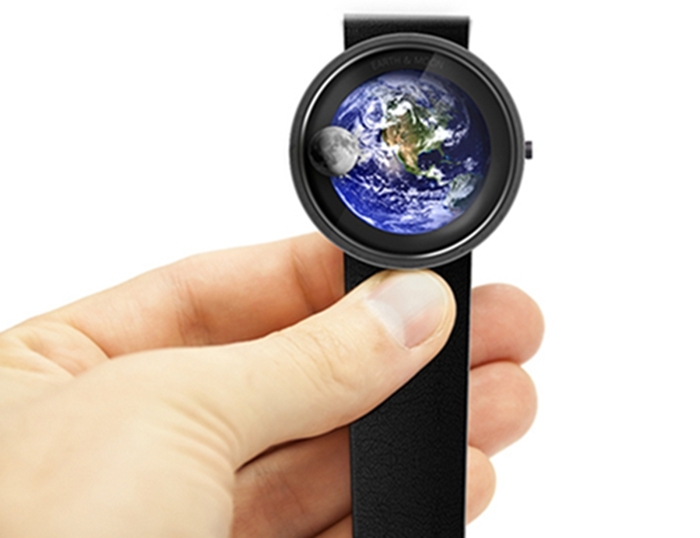 Stunning watch - Ear
 The ZIIIRO Eclipse w
 The rechargeable tre
 The world's tallest
  The detachable bicyc
 Embracing the Latest
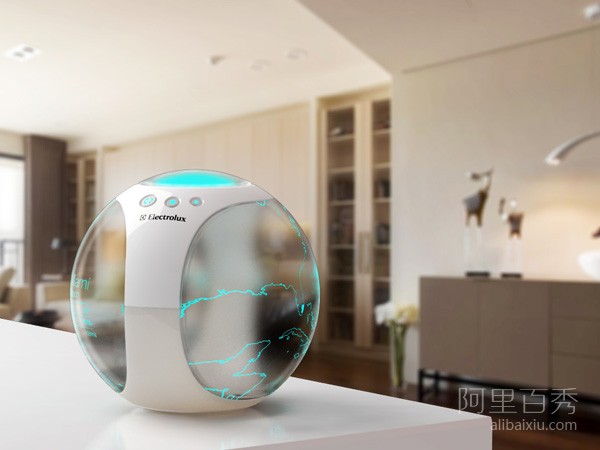 Can you easily turn
  Finding Fitness Bala