Lifestyle
Introduction: The Struggle for Freedom in Iran
In recent weeks, Iran has witnessed an intensifying debate surrounding the enforcement of hijab laws, with incidents involving women facing harassment for not adhering to these regulations. This issue has sparked conversations about women's rights, personal freedoms, and cultural identity in the country. As global attention shifts towards Iran, it’s crucial to understand the implications of these events and the need for reform.
The Current Situation: Harassment and Resistance
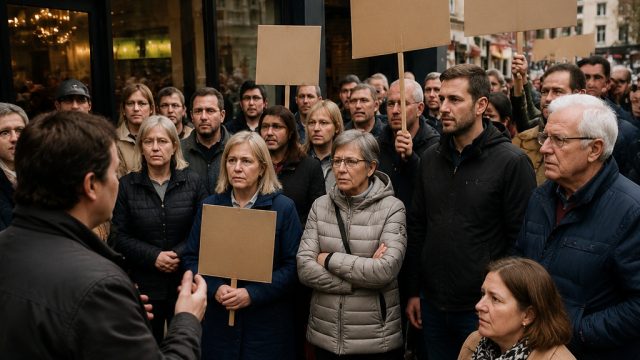
Reports from various sources have highlighted distressing incidents where women are confronted publicly for not wearing a hijab. These events have not only caused fear among women but have also ignited protests and calls for social change. Women, who are often the targets of such harassment, are reclaiming their narratives and demanding the freedom to express their identities without fear of reprisal.
Understanding the Hijab Law
The hijab law in Iran mandates that women wear a headscarf in public spaces, a regulation that has been in place since the 1979 revolution. The enforcement of these laws can vary greatly, leading to a complex social landscape where compliance is sometimes met with severe consequences. Understanding the historical context of these laws is essential to grasp the ongoing resistance against them.
Recent Incidents Spark Outrage
- Women facing public shaming for their attire
- Protests emerging in response to new enforcement tactics
- Statements from human rights organizations condemning the actions of authorities
The emotional and psychological toll on women who experience harassment cannot be understated. It’s vital for voices from within Iran and abroad to stand in solidarity with these women as they advocate for their rights.
The Global Response: Support for Change
Internationally, there has been a growing outcry against the hijab enforcement policies in Iran. Organizations advocating for human rights are amplifying the voices of those affected and pushing for legislative changes. This global solidarity is crucial in demonstrating that the struggle for women's rights transcends borders and can inspire change.
Consequences of Inaction
- Continued oppression of women and stifled personal freedoms
- Escalation of protests and potential civil unrest
- Global reputation of Iran at stake
If the current situation remains unaddressed, it could lead to heightened tensions within the country and a further crackdown on individual liberties. The international community plays a significant role in advocating for women's rights and should remain engaged with the situation in Iran.
Conclusion: A Call for Solidarity and Change
The recent events in Iran serve as a poignant reminder of the ongoing struggle for women's rights and personal freedoms. As conversations about hijab enforcement continue, it is essential for individuals and organizations globally to vocalize their support for change. By fostering dialogue and advocating for equality, we can contribute to a future where women in Iran—and beyond—can freely express themselves without fear of harassment or persecution.
As we stay informed and engaged, let’s continue to spotlight these crucial issues and support the brave women leading the charge for change in Iran.
Reproduction without permission is prohibited: Lifestyle » Understanding the Impact of Hijab Enforcement in Iran: A Call for Change | lagu buta tuli, bomjudi net
 Stunning watch - Ear
 The ZIIIRO Eclipse w
 The rechargeable tre
 The world's tallest
  The detachable bicyc
 Embracing the Latest
 Can you easily turn
  Finding Fitness Bala