Lifestyle
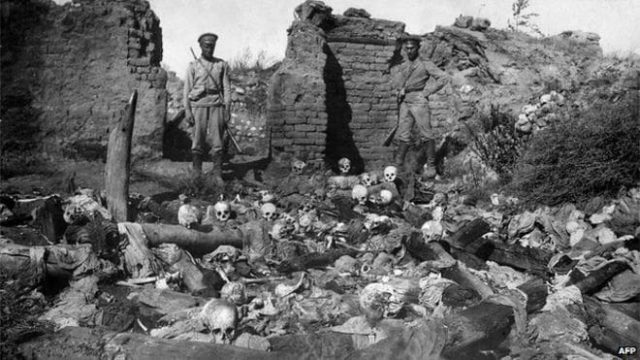
Israel's Landmark Decision on Armenian Genocide: What It Means Today
In a momentous decision, Israel has taken significant steps toward formally recognizing the Armenian Genocide. This unanimous vote by the Israeli Cabinet marks a pivotal shift in the political landscape, especially at a time when relations with Turkey have long dictated Israel's stance on this sensitive issue.
A Historical Context of Recognition
The Armenian Genocide, which occurred between 1915 and 1923, involved the systematic extermination of 1.5 million Armenians by the Ottoman Empire. Despite the overwhelming historical evidence, many nations have hesitated to officially recognize these atrocities, often due to diplomatic consequences. Turkey, a key ally in the region, has vehemently denied the genocide, leading to a complex web of political alliances and tensions.
The Shift in Israeli Policy
Israel's recent decision to recognize the genocide is particularly significant, considering its historical ties to Armenia and the Armenian community. This change is reflective of a broader acknowledgment of historical injustices and a commitment to human rights. Israel's government has indicated that this move is not just about addressing the past but also about standing up for universal values of justice and remembrance.
Implications for Regional Politics
Israel's recognition of the Armenian Genocide is expected to have far-reaching implications for its diplomatic relations in the Middle East. Here are key points to consider:
- Strained Relations with Turkey: Turkey's response to Israel's recognition may escalate tensions, impacting bilateral relations that have been fragile for years.
- Support for Armenian Identity: This move could strengthen Armenia's standing on the global stage and encourage other nations to follow suit.
- Influence on International Bodies: Israel’s recognition may influence discussions in international bodies such as the United Nations, potentially leading to wider recognition of the Armenian Genocide.
Why This Matters Now
In contemporary society, the recognition of historical injustices is not merely about acknowledgment; it's about fostering understanding and reconciliation. Global awareness of the Armenian Genocide has increased in recent years, spurred by advocacy from Armenian communities worldwide and increased media coverage of related historical narratives.
The Role of Advocacy and Awareness
The growing voice of the Armenian diaspora and their allies has played a crucial role in influencing public opinion and government policies. Activists argue that acknowledging past genocides is essential for preventing future atrocities. This sentiment echoes across various platforms, encouraging citizens to recognize the importance of historical memory.
Conclusion: A Step Toward Justice
Israel's decision is a significant step toward historical justice and accountability. By formally recognizing the Armenian Genocide, Israel may inspire other countries to reconsider their positions and take action to address historical wrongs. As we witness this pivotal moment, it is vital for societies worldwide to reflect on their histories and commit to fostering a future that acknowledges and learns from the past.
As discussions continue, the global community awaits Turkey's response, which could reshape the dynamics of Middle Eastern politics. This situation illustrates the intricate relationship between history, politics, and international diplomacy, highlighting the importance of recognizing and addressing historical injustices.
Reproduction without permission is prohibited: Lifestyle » Israel's Landmark Decision on Armenian Genocide: What It Means Today | real madrid training shirt, solot88, main slot di opera mini
 Stunning watch - Ear
 The ZIIIRO Eclipse w
 The rechargeable tre
 The world's tallest
  The detachable bicyc
 Embracing the Latest
 Can you easily turn
  Finding Fitness Bala