
 Lifestyle
Key Takeaways
- Heatmapping visually represents customer interactions.
- This tool aids in optimizing store layouts and displays.
- Effective in increasing engagement and sales conversions.
- Highly relevant for the Southeast Asian retail market.
- Utilized by major retailers to refine their strategies.
Understanding Heatmapping
Heatmapping is a data visualization technique that allows retailers to analyze customer behaviors through graphical representations. By depicting areas where customers spend the most time, heatmapping provides critical insights into what draws attention and what gets ignored. In an increasingly competitive retail landscape, leveraging data is more crucial than ever for driving sales and improving customer experiences.
Why Heatmapping Matters Now
In 2023, the retail industry faces numerous challenges, from evolving consumer expectations to the integration of advanced technologies. Heatmapping serves as a pivotal tool to navigate these changes, allowing brands to tailor their strategies accordingly. As shopping habits shift, particularly in vibrant markets like Southeast Asia, understanding customer interactions becomes paramount.
Applications of Heatmapping in Retail
The applications of heatmapping are diverse and impactful. Retailers use this tool to:
- Enhance store layouts by identifying high-traffic zones.
- Optimize product placements to maximize visibility.
- Analyze customer interaction with promotional displays.
- Refine online shopping experiences by tracking user engagement.
Case Studies from the ASEAN Market
Several retailers in Indonesia have successfully deployed heatmapping to innovate their strategies. For instance, a leading electronics brand in Jakarta utilized heatmapping to redesign its store layout, resulting in a 20% increase in foot traffic. Similarly, a fashion retailer in Surabaya implemented heatmapping for online sales, significantly boosting their conversion rates by tailoring web design based on customer interactions. These examples illustrate that adopting heatmapping can have a direct impact on sales performance in the ASEAN region.
Future Trends in Retail Heatmapping
As heatmapping technology continues to evolve, its integration with AI and machine learning is expected to enhance its predictive capabilities. Retailers are now looking towards advanced analytics to forecast customer behavior more accurately. This trend will lead to even more personalized shopping experiences, making it increasingly important for brands to utilize these insights effectively.
Implications for Retailers
Retailers aiming to thrive in this dynamic environment must consider the following implications:
- Invest in heatmapping technology to gain deeper customer insights.
- Adopt agile retail strategies based on real-time data analysis.
- Focus on the customer journey, from online engagement to in-store experiences.
- Stay informed about market trends to remain competitive.
Conclusion
In conclusion, heatmapping is more than just a trendy tool; it is a fundamental element in the modern retail strategy. As the landscape continues to evolve, particularly in regions like Southeast Asia, retailers who leverage heatmapping to understand their customers will be in a stronger position to succeed. By adopting this technology now, brands can anticipate shifts in consumer behavior and develop strategies that resonate with their target audience.
Reproduction without permission is prohibited: Lifestyle » Unlocking Retail Success: The Power of Heatmapping in 2023 | cat vibing, kami kaya pinjaman online, lagu barat terbaik download
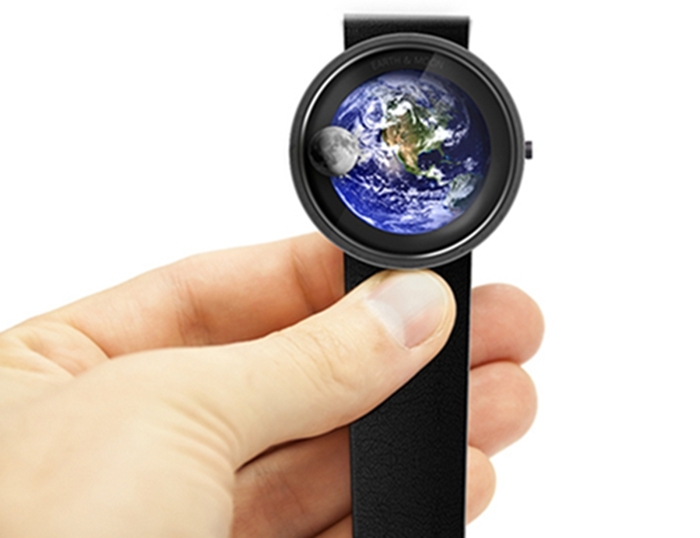 Stunning watch - Ear
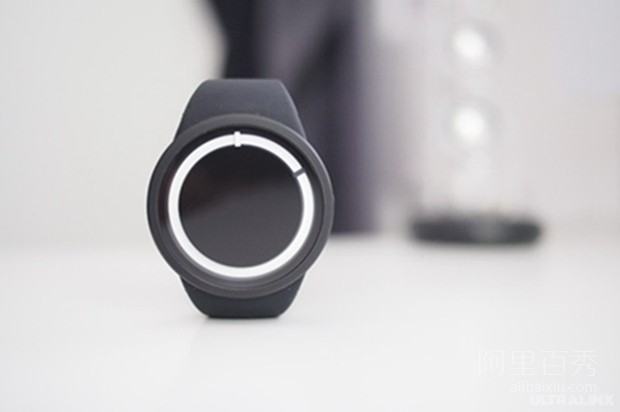 The ZIIIRO Eclipse w
 The rechargeable tre
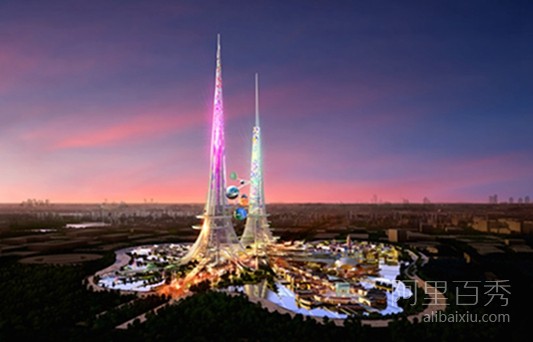 The world's tallest
 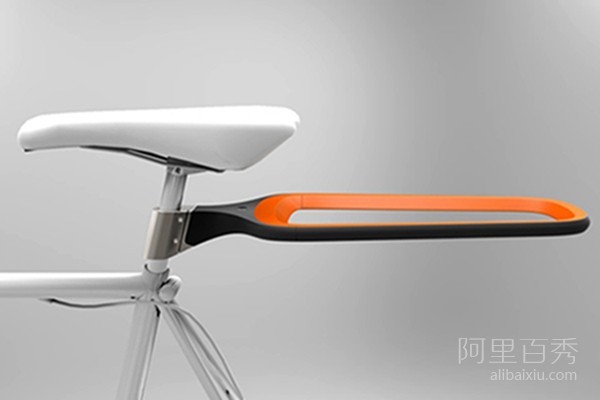 The detachable bicyc
 Embracing the Latest
 Can you easily turn
  Finding Fitness Bala