Lifestyle
Introduction
The Fourth of July is a time for celebration, but for Waymo, it turned into a day of turmoil. As festive fireworks lit up the San Francisco skyline, the city’s streets became a battleground of heavy traffic, leading to a series of complications for the autonomous vehicle service. With several of its vehicles immobilized due to drained batteries and one catching fire, Waymo's experience underscores the reality of deploying autonomous technology in real-world scenarios.
Key Takeaways
- Waymo's autonomous vehicles became stuck in traffic during the Fourth of July celebrations.
- One vehicle caught fire while others ran out of battery power.
- The incidents occurred amid increased holiday congestion in San Francisco streets.
- Waymo's challenges raised questions about urban autonomous vehicle deployment.
- The event serves as a crucial learning opportunity for future mobility solutions.
The Incident: What Happened
On July 4, 2023, San Francisco was bustling with festivities, drawing in thousands of visitors. However, the congestion proved overwhelming for Waymo's fleet of robotaxis. Reports indicated that several vehicles became stranded in gridlocked traffic, unable to move forward or recharge. The situation escalated when one of the Waymo cars caught fire, creating a spectacle that drew concern from onlookers and first responders.
Traffic Jam Chaos
The gridlock not only drained the batteries of Waymo vehicles but also raised questions about the operational limits of autonomous technology in urban environments. With vehicles unable to make timely decisions, the incident showcased the vulnerabilities of relying solely on automated systems in unpredictable conditions.
Response and Recovery
After the fire incident, emergency services quickly arrived at the scene, extinguishing the flames and ensuring the safety of nearby pedestrians. Waymo has stated that the cause of the fire is under investigation, while some vehicles were towed to safety, emphasizing the immediate need for improved response strategies in such scenarios.
Implications for Urban Mobility
This event reignites the debate around the feasibility of self-driving vehicles in heavily populated areas like San Francisco. As cities continue to explore autonomous systems for public transport, incidents like this highlight the necessity of robust safety protocols and effective traffic management solutions.
Challenges Faced
Several challenges can be identified from this incident, including:
- Inadequate battery management systems during high-traffic events.
- Limited operational protocols for emergencies and unexpected failures.
- Public perception and acceptance of autonomous vehicles facing setbacks.
Potential Solutions
Moving forward, the following solutions could enhance the reliability of autonomous vehicles:
- Implementing real-time traffic monitoring and adaptive routing.
- Improving the durability and capacity of vehicle batteries.
- Establishing emergency response protocols specific to autonomous vehicles.
Conclusion
The July 4 chaos faced by Waymo in San Francisco serves as a critical reminder of the challenges inherent in deploying autonomous vehicles in dense urban environments. While the technology promises to revolutionize transportation, incidents like the fire highlight the need for strategic planning and enhanced safety measures. As cities across Southeast Asia, including prominent markets like Indonesia, explore similar technologies, the lessons learned from this incident may prove invaluable in shaping future urban mobility initiatives.
Reproduction without permission is prohibited: Lifestyle » Chaos on the Fourth: Waymo Vehicles Stalled in San Francisco | catur xiangqi, link slot judi online, playstar 777 slot
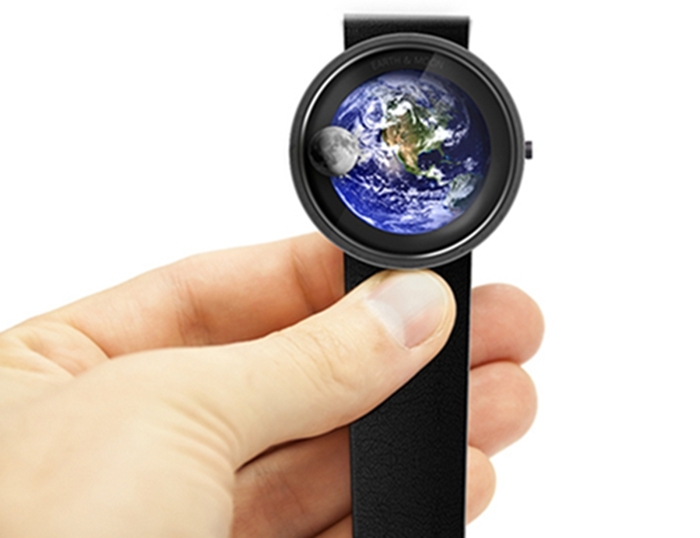 Stunning watch - Ear
 The ZIIIRO Eclipse w
 The rechargeable tre
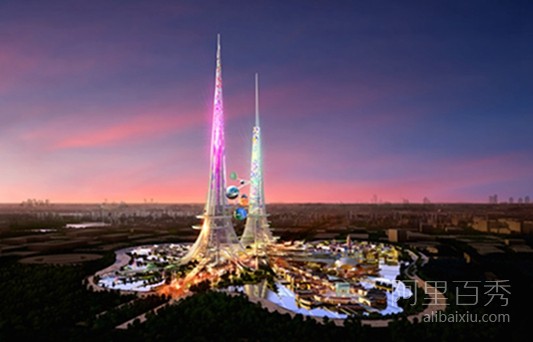 The world's tallest
  The detachable bicyc
 Embracing the Latest
 Can you easily turn
  Finding Fitness Bala