Lifestyle
Key Takeaways
- Waymo cars experienced battery depletion in heavy traffic on July 4.
- San Francisco's fireworks drew massive crowds, causing gridlock.
- Traffic jams revealed challenges in managing electric vehicle range.
- Public response highlights concerns over autonomous vehicle reliability.
- Waymo's incident raises questions about urban mobility during holidays.
The Situation Unfolds
As San Francisco celebrated Independence Day, the city transformed into a vibrant focal point for fireworks and festivities. However, the excitement was marred by significant gridlock, particularly affecting Waymo's fleet of autonomous vehicles. The combination of heavy pedestrian traffic and the electrical demands of these vehicles led to multiple incidents where cars became stranded, unable to navigate through the congestion. These events raise critical questions about the sustainability and reliability of electric mobility solutions during high-traffic occasions.
Battery Drainage Amid Celebrations
Waymo's autonomous fleet faced unexpected challenges during the fireworks display. As thousands gathered in hotspots like Fisherman’s Wharf and the Embarcadero, the traffic congestion reached alarming levels. Many Waymo vehicles reported critical battery levels, forcing them to either come to a stop or navigate slowly through stalled traffic. This incident is particularly concerning as it highlights the limitations of electric vehicles when faced with unforeseen urban events.
Impact on Urban Mobility
The July Fourth chaos serves as a crucial reminder of the complexities of urban mobility, especially for electric and autonomous vehicles. With the rise of electric vehicle sales—predicted to surpass 30% of total auto sales in the U.S. by 2030—cities must prepare their infrastructure to support this transition. The incident raised awareness of potential drawbacks, such as the need for better battery management systems and efficient route planning to prevent future occurrences.
Public Perception and Future Implications
The public's reaction to Waymo's stranded vehicles was mixed, with many expressing skepticism about the reliability of autonomous technology. This skepticism is especially pertinent in high-traffic urban areas, where the risk of breakdowns can lead to broader disruptions. As cities such as Jakarta and Surabaya in Southeast Asia also increasingly explore autonomous technology, the lessons learned from San Francisco's experience could provide valuable insights into their urban planning efforts.
Conclusion: Learning from July Fourth
The Fourth of July incident involving Waymo vehicles underscores the importance of addressing the challenges faced by electric and autonomous transportation systems. As more cities embrace smart mobility solutions, understanding how these technologies perform during peak times will be critical in shaping future policies and infrastructure developments. The event was a potent reminder that while autonomy offers great promise, the path to fully integrated urban mobility solutions will require careful consideration of battery limitations and traffic management strategies.
Reproduction without permission is prohibited: Lifestyle » Waymo's July Fourth Chaos: Electric Cars Stranded Amid Fireworks Gridlock | dunia 888 slot, ibet789 sports betting asian handicap, arta4d jujur, betgratis slot 2020
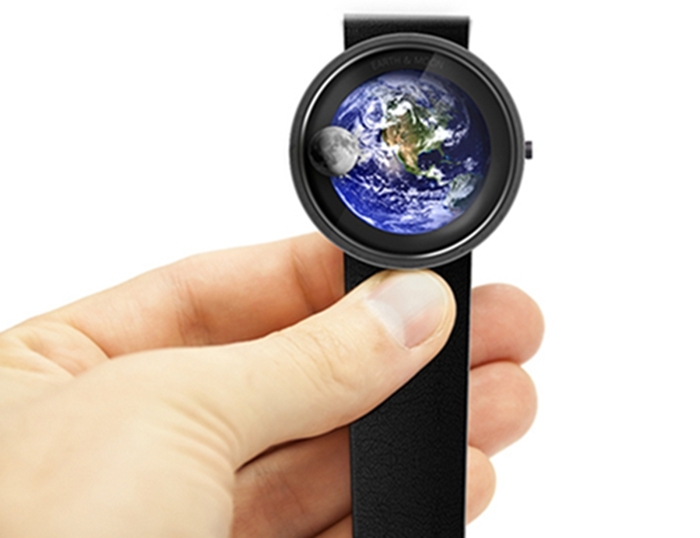 Stunning watch - Ear
 The ZIIIRO Eclipse w
 The rechargeable tre
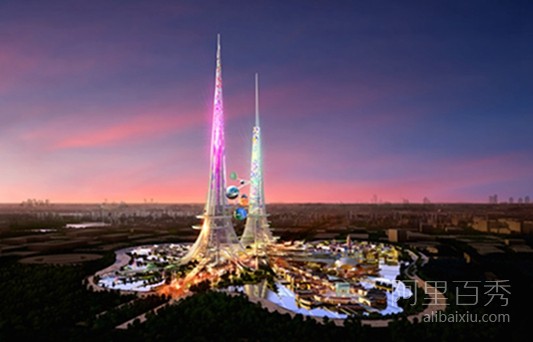 The world's tallest
  The detachable bicyc
 Embracing the Latest
 Can you easily turn
  Finding Fitness Bala