Lifestyle

Advocating for Compassionate Spending: The Need for a Moral Budget
As the repercussions of recent congressional decisions unfold, the urgency for a moral budget that prioritizes care over enforcement has never been more pressing. With millions facing the prospect of losing essential food and medical benefits, the debate on how public funds should be allocated is at the forefront of social discourse. This article delves into the implications of these decisions and why a shift toward compassionate spending is essential now more than ever.
The Current Landscape: A Call for Change
The recent approval of $70 billion for Immigration and Customs Enforcement (ICE) and Border Patrol, coinciding with cuts to vital social services, highlights a troubling trend. As HR 1 has paved the way for these cuts, advocates for social welfare argue that this is a pivotal moment to reassess budget priorities.
The Impacts of Budget Cuts on Communities
- Loss of food assistance for vulnerable populations.
- Reduced access to medical care, exacerbating health inequalities.
- Increased financial strain on low-income families.
The consequences of inadequate funding for social services are significant. Families facing economic hardship are often left without a safety net, leading to increased reliance on emergency services and charitable organizations, which are already stretched thin. This reality underscores the importance of advocating for a budget that emphasizes care rather than enforcement.
Understanding the Moral Budget Concept
A moral budget is essentially a framework for allocating resources that reflects the values of compassion and justice. This approach argues for prioritizing funding for social programs that support the most vulnerable members of society rather than allocating vast sums to enforcement agencies. Here are a few principles associated with a moral budget:
- Human Dignity: Every individual deserves access to basic needs, including food, healthcare, and housing.
- Community Investment: Funding should focus on strengthening community resources rather than punitive measures.
- Long-term Solutions: Prioritizing sustainable practices that address root causes of hardship, such as poverty and unemployment.
Why This Matters Now: Urgency for Action
The growing financial strain on millions due to recent legislative changes presents an immediate call to action. As reports emerge detailing the fallout from these budget cuts, it becomes clear that advocacy for a moral budget is not just a political issue—it is a humanitarian one.
The Role of Advocacy Groups
Various organizations are mobilizing to raise awareness about the critical need for compassionate spending. These groups aim to pressure Congress to reconsider its budgetary commitments. Their efforts include:
- Launching campaigns that highlight the personal stories of those affected by budget cuts.
- Organizing events to galvanize public support and encourage dialogue around a moral budget.
- Lobbying lawmakers to advocate for reallocating funds toward essential services.
Moving Forward: A Collective Responsibility
Advocating for a moral budget is not solely the responsibility of a few organizations; it requires collective action from individuals, communities, and policymakers. Here are steps that can help move this initiative forward:
- Educate Yourself: Understanding the complexities of budget allocations can empower individuals to advocate effectively.
- Engage with Local Representatives: Communicating with lawmakers about the importance of funding social services can create pressure for change.
- Support Local Initiatives: Getting involved in community programs that address local needs can strengthen the call for a compassionate budget.
In conclusion, the conversation around a moral budget is crucial as we face significant challenges in our communities. By advocating for spending that prioritizes care and dignity for all, we can foster a society that not only survives but thrives. Now is the time to amplify these voices and push for the changes that will ensure no one is left behind.
Reproduction without permission is prohibited: Lifestyle » Advocating for Compassionate Spending: The Need for a Moral Budget | cara menggambar drag vega, asiabookie bandar com
 Some people are actu
 Magical magical wood
 Surreal paintings: T
 This is a portrait o
 Photography Tip: Gre
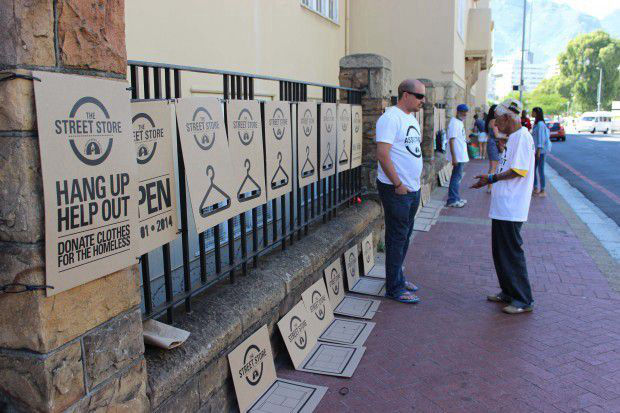 Street donation shop
 Among the top 10 sma
 The foreigner uncle