
 Lifestyle
Key Takeaways
- 11,000 villages in Indonesia lack access to electricity.
- Energy access is crucial for economic development in rural areas.
- Government initiatives aim to close the electricity gap.
- Renewable energy solutions are gaining traction in the region.
- Investment in infrastructure is vital for sustainable growth.
The Current State of Electricity Access in Indonesia
As Indonesia continues to grow, the disparity in electricity access remains alarming. According to recent statements from the Minister of Energy and Mineral Resources, nearly 11,000 villages across the archipelago still rely on traditional energy sources. This situation is particularly pronounced in remote regions where infrastructure development has lagged behind urban centers.
The implications of this energy gap are profound. Villages without electricity often face challenges in health care, education, and economic opportunities. For example, children in these areas struggle to study after dark, and local businesses lack the energy needed to operate efficiently. As Indonesia strives to enhance its global economic standing, addressing these energy disparities will be paramount.
Government Initiatives and Future Prospects
The Indonesian government has recognized the critical need for widespread electrification. Recent initiatives focus on expanding the electricity grid and promoting off-grid renewable energy solutions. The push for solar and wind energy projects has gained momentum, particularly in regions like Bali and Surabaya, which are more accessible for such developments.
Moreover, partnerships with private sector players and international organizations have started to surface. These collaborations aim to foster investments in clean energy projects, which can eventually lead to power generation in remote areas. For instance, programs that offer incentives for renewable energy projects are becoming more common, aiming to reduce reliance on fossil fuels.
Investing in Renewable Energy
The trend toward renewable energy sources is not just a local phenomenon; it aligns with a broader ASEAN commitment to sustainable development. Countries in the region are recognizing that investing in renewable energy infrastructure can provide both environmental and economic benefits. Southeast Asia, with its abundant natural resources, is ideally positioned to take advantage of this shift.
The Importance of Bridging the Energy Divide
Bridging the energy divide is vital not only for individual villages but for the country as a whole. Electrification supports better health outcomes by allowing for improved medical facilities and services. Additionally, schools equipped with electricity can enhance educational capabilities, providing children with access to technology and learning resources that were previously unavailable.
Furthermore, economic growth hinges on reliable energy access. Local entrepreneurs can expand their businesses, creating jobs and fostering community development. With a reliable power supply, rural areas can attract investments that would otherwise remain untapped.
Challenges Ahead
Despite the promising developments, challenges remain. Limited funding, bureaucratic hurdles, and logistical issues in remote areas can slow down implementation efforts. Ensuring that these projects are sustainable and meet the specific needs of local communities is essential for long-term success.
Conclusion
Addressing the electricity access issue in Indonesia is not just a matter of filling a gap; it’s about empowering communities to thrive. The combination of government initiatives, private sector involvement, and renewable energy investments holds the potential to transform the lives of millions. As Indonesia moves forward, a collective effort will be necessary to ensure that no village is left in the dark.
Reproduction without permission is prohibited: Lifestyle » Electricity Access Gaps in Indonesia: A Call to Action | fusb slot, tiki batam tanah longsor, cara daftar joker388, free casino games no deposit
 Some people are actu
 Magical magical wood
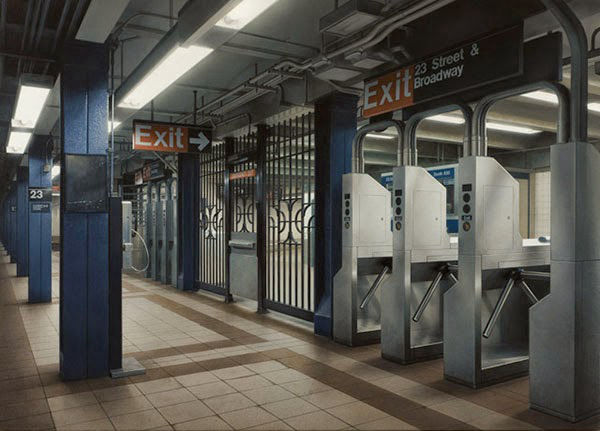 Surreal paintings: T
 This is a portrait o
 Photography Tip: Gre
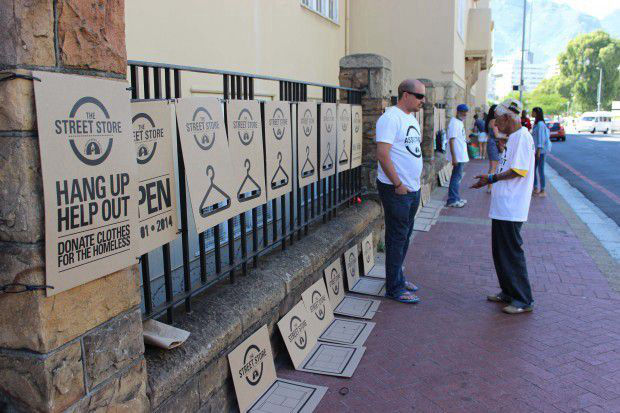 Street donation shop
 Among the top 10 sma
 The foreigner uncle
