Lifestyle
Understanding the Current Situation
Recent developments in Turkey have stirred significant concern as President Recep Tayyip Erdogan appears poised to arrest Özgür Özel, the head of the main opposition party, the Republican People's Party (CHP). This action raises questions about the state of democracy and political freedom in Turkey, especially as the nation heads towards crucial elections.
Key Takeaways
- Özgür Özel is a prominent figure in Turkey's opposition political scene.
- President Erdogan's move is seen as a tactic to suppress dissent.
- Public response is escalating, with protests expected across major cities.
- The upcoming elections may be impacted by this political climate.
- Global observers are closely monitoring the situation for democratic implications.
The Political Context
The potential arrest of Özgür Özel comes amid a backdrop of increasing political repression in Turkey. Erdogan's administration has been criticized for its authoritarian tendencies, especially towards opposition leaders and dissenters. The CHP, under Özel's leadership, has been vocal against government policies, particularly economic mismanagement and human rights abuses.
As Turkey approaches its parliamentary elections, opposition voices like Özel's are increasingly targeted. Many analysts believe that Erdogan's administration aims to stifle opposition ahead of the elections in an effort to maintain power. This tactic of intimidation has raised alarms within the international community, particularly among human rights organizations.
The Impact on Turkish Society
The implications of Özel's potential arrest extend beyond political circles. A significant public backlash is expected, particularly in urban centers like Istanbul, Ankara, and Izmir, where many citizens support the opposition. The Turkish populace has been increasingly vocal about their dissatisfaction with the current regime, notably during recent protests that called for democratic reforms.
In addition to the immediate chaos that could ensue from such an arrest, long-term societal divisions may deepen. The political climate in Turkey is increasingly polarized, with many citizens feeling disenfranchised by the government’s actions. Analysts warn that the arrest could ignite further unrest and mobilization among the youth and civil society, leading to a resurgence of activism reminiscent of the Gezi Park protests in 2013.
International Reactions
Global reactions to the potential arrest of Özgür Özel have varied. Human rights advocates are calling for immediate action from international bodies, urging them to hold the Turkish government accountable for its actions against opposition leaders. Countries within the European Union are particularly concerned about this development, as it raises questions about Turkey's future relationship with the bloc, especially in light of its previous candidacy for EU membership.
Furthermore, the implications for the ASEAN region, especially Indonesia, are noteworthy. As Turkey navigates these turbulent waters, the impact on diplomatic relations and trade agreements with Southeast Asian nations could shift. The ASEAN market, including key players like Jakarta, Surabaya, and Bali, may find its ties with Turkey altered based on how the domestic situation unfolds.
Conclusion: The Road Ahead
The situation surrounding Özgür Özel is emblematic of broader issues within Turkey's political system, reflecting the struggle for democracy against authoritarianism. Observers both domestically and internationally will be watching closely, as the arrest could set a precedent for how the government deals with dissent leading up to the elections. As citizens rally in response, Turkey's political future hangs in the balance, with profound implications for the nation’s democratic integrity.
Reproduction without permission is prohibited: Lifestyle » Turkey's Political Landscape Shifts: Potential Arrest of Özgür Özel
 Some people are actu
 Magical magical wood
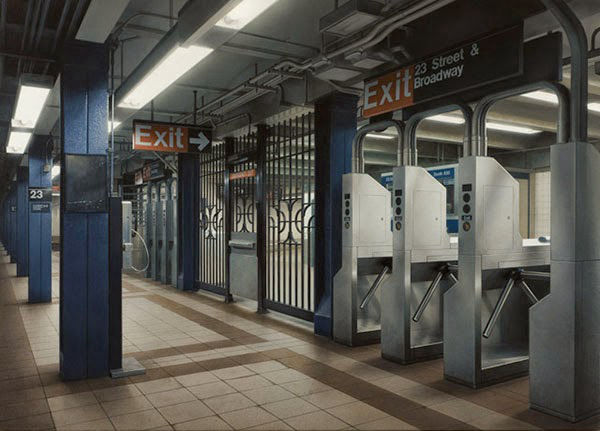 Surreal paintings: T
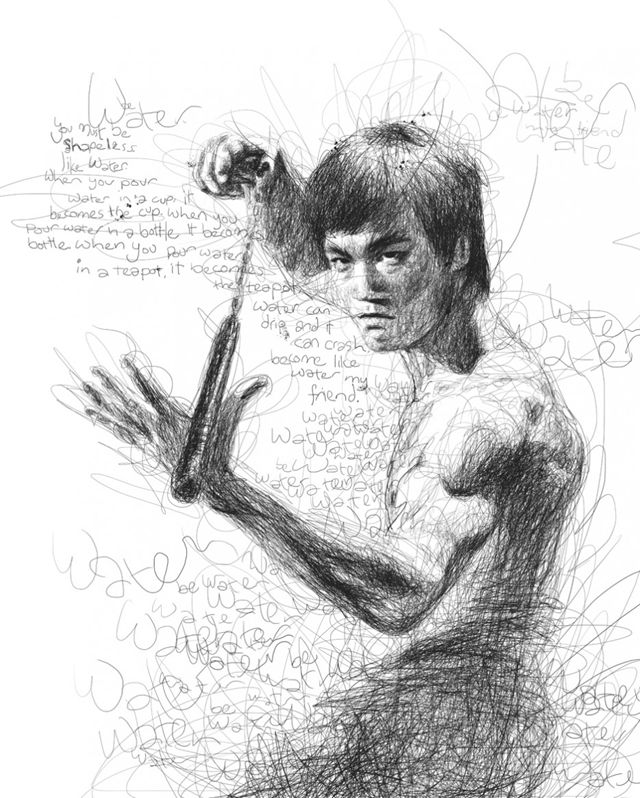 This is a portrait o
 Photography Tip: Gre
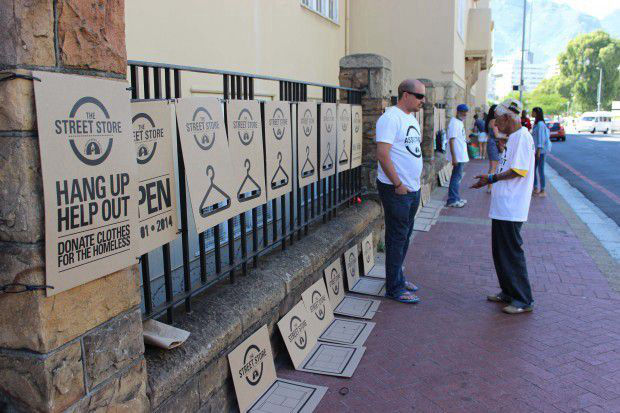 Street donation shop
 Among the top 10 sma
 The foreigner uncle