Lifestyle
Key Takeaways
- The program targets adolescents in rural Indonesian communities to improve skin health.
- Education on skin care practices fosters self-advocacy among the youth.
- School-based interventions have shown positive impacts on health awareness.
- Engaging communities can lead to sustainable health practices among teens.
- This initiative aligns with global health goals for adolescent wellbeing.
Introduction to the Initiative
In a significant move to improve adolescent health, a new program has emerged in Indonesia aimed at teaching rural teenagers essential skin health practices. Developed in the context of increasing awareness about the importance of skin care, this initiative provides students with knowledge and resources to advocate for their own health. Understanding skin health is crucial, especially for adolescents who face unique challenges during their developmental years.
The Importance of Skin Health Education
Skin health is often overlooked in many health education curricula, yet it plays a crucial role in overall wellbeing. Adolescents are particularly vulnerable to skin issues due to hormonal changes, environmental factors, and lifestyle choices. By bringing skin health education to the forefront in rural schools, this initiative seeks to equip students with the tools they need for self-care.
Why Now?
The timing of this program is paramount. As Indonesia continues to develop economically, there is a growing need to address public health issues, particularly among young populations. With increased access to information through digital platforms, adolescents are seeking guidance on health issues, making this educational push timely and relevant.
Program Goals and Activities
The school-based initiative encompasses various activities designed to foster engagement and learning. Key components include:
- Workshops: Interactive sessions that educate students on common skin conditions and preventive measures.
- Resource Distribution: Providing students with pamphlets, posters, and access to local health professionals.
- Peer Mentorship: Encouraging older students to share experiences and knowledge about skin health.
- Community Involvement: Engaging parents and local leaders to support the initiative.
Challenges and Opportunities
While the initiative has garnered excitement, it also faces challenges. In rural areas of Indonesia, there may be resistance to new health practices due to cultural beliefs or lack of resources. However, these challenges present opportunities for growth and education.
Building Support Networks
Developing strong support networks is vital for the program's success. By collaborating with local health organizations and schools, the initiative hopes to foster an environment where skin health is prioritized. This community-driven approach is crucial for instilling lasting change.
Potential for Wider Impact
As this program demonstrates success, it can serve as a model for other regions within Indonesia and beyond. With similar challenges faced by adolescents in various Southeast Asian countries, the lessons learned here could be applied to broader initiatives promoting health education across the ASEAN region.
Conclusion
The empowerment of adolescents through education on skin health is a vital step toward building a healthier future. This initiative not only addresses immediate concerns but also fosters long-term benefits by instilling self-advocacy and awareness. As rural communities in Indonesia embrace these programs, the potential for positive health outcomes is substantial, paving the way for a generation equipped to make informed health choices.
Reproduction without permission is prohibited: Lifestyle » Boosting Skin Health Awareness Among Rural Teens in Indonesia
 Some people are actu
 Surreal paintings: T
 Magical magical wood
 This is a portrait o
 Photography Tip: Gre
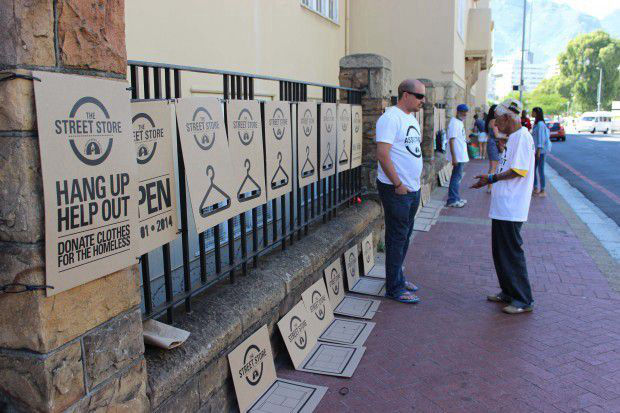 Street donation shop
 Among the top 10 sma
 The foreigner uncle