Lifestyle
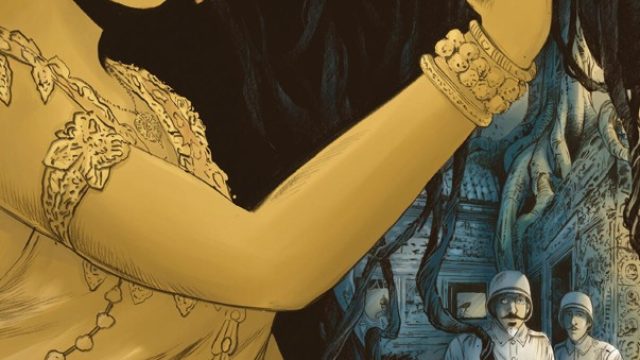
Exploring the Intrigue of Cambodian Culture in 1912
In the year 1912, Cambodia was a nation in transition, caught between the remnants of ancient traditions and the encroaching influence of colonial modernity. The journey of French ophthalmologist Hermentaire Truc to the heart of Phnom Penh served as a backdrop for a captivating tale of cultural exploration, political intrigue, and local legends. As the doctor set out on what seemed to be a routine medical mission, he found himself enmeshed in a complex web of local politics, superstition, and the vibrant essence of Cambodian society.
The Medical Mission: A Hidden Agenda?
Truc's arrival in Cambodia was ostensibly to provide medical assistance to King Sisowath, yet the journey quickly unraveled into a tale much larger than mere healthcare. His presence attracted attention from various factions—colonial administrators eager to maintain control, local ministers negotiating power, and clandestine foreign agents with their own motives. Each interaction revealed the layered dynamics of a society on the brink of significant change.
Colonial Overtones and Power Plays
The French colonial rule during this period was characterized by a tense push and pull between authority and burgeoning nationalism. As Truc navigated the streets of Phnom Penh, he witnessed not only the beauty of the city but also the underlying currents of discontent. The tension between the colonizers and the Cambodian people created a charged environment, ripe for political maneuvering.
- Colonial authorities tried to impose their will on a proud and ancient civilization.
- Local leaders were often caught between collaboration and resistance.
- Foreign spies added layers of complexity to the political landscape.
Encountering the Mysterious Dancer
Among the many characters who crossed Truc's path, none were as captivating as the enigmatic dancer known for her striking black teeth, which were both alluring and unsettling. This dancer represented the duality of Cambodian culture—beauty intertwined with threat, tradition meeting modernity. Her presence was a symbol of the rich cultural heritage that Cambodia was struggling to preserve amid the pressures of colonialism.
The Dancer’s Symbolism
The dancer's appearance, specifically her blackened teeth, was steeped in cultural significance. In Cambodia, this aesthetic was not merely for show but was a reflection of beauty standards that had deep historical roots. Truc's fascination with her not only revealed his personal intrigue but also highlighted the cultural clashes between colonial perspectives and local traditions.
- The dancer's artistry was an expression of her heritage.
- Her image challenged colonial stereotypes of beauty.
- She embodied the conflict between the old world and the new.
Tradition Meets Modernity in a Changing Landscape
Cambodia in 1912 was at a crossroads, struggling to reconcile its rich traditions with the influences of the modern world. Truc's experiences illuminated the delicate balance between embracing advancements and preserving cultural identity. As he explored the temples and palaces, he encountered the palpable energy of a society at odds with itself.
Reflections of a Nation
The dichotomy of Cambodia's past and future was evident in everyday life. Traditional practices coexisted with the encroachments of modernity, embodying a nation rich in history yet grappling with the implications of colonial rule. This tension was not merely a backdrop for Truc’s medical mission but a vivid portrayal of a transforming society.
- Temples stood as guardians of a glorious past.
- Modern influences threatened to overshadow local customs.
- The legacy of ancient civilizations was evident in everyday rituals.
Conclusion: The Enduring Significance of Truc's Journey
The narrative of Hermentaire Truc’s journey to Cambodia in 1912 serves as a timely reminder of the complexities faced by nations in transition. As we reflect on this historical episode, it becomes clear that the challenges of balancing tradition with change are ever-present. Understanding the past is vital in navigating the modern landscape, where cultural identity continues to evolve amidst global influences.
As we engage with history, we must recognize the individuals, like the mysterious dancer with black teeth, who symbolize the resilience and beauty of cultures facing transformation. The lessons learned from these encounters can inspire contemporary discussions on cultural preservation and the impacts of globalization.
Reproduction without permission is prohibited: Lifestyle » Exploring the Intrigue of Cambodian Culture in 1912 | best paying slots on jackpot city 2020, playland slot 88
 Some people are actu
 Magical magical wood
 Surreal paintings: T
 This is a portrait o
 Photography Tip: Gre
 Street donation shop
 Among the top 10 sma
 The foreigner uncle