Lifestyle
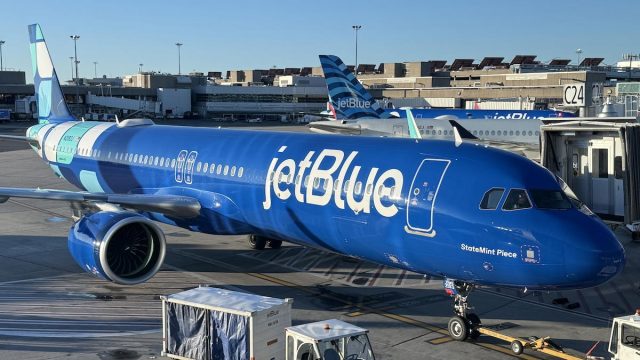
JetBlue Pilot's Drone Collision Highlights Growing Aviation Threats
In a startling incident that underscores the escalating risks drones pose to air travel, a JetBlue pilot recently reported a collision with a drone while approaching New York's JFK Airport. This alarming event has ignited discussions around drone regulations, aviation safety, and the implications for travelers and airlines alike.
The Incident: What Actually Happened?
As the JetBlue flight neared its landing at JFK, the pilot described a sudden impact from a drone that struck just above the cockpit. This unprecedented occurrence marks the first recorded instance of a collision between a commercial aircraft and a drone within U.S. airspace. The pilot's report sheds light on a growing concern within the aviation community regarding unauthorized drone operations in restricted airspace.
Understanding Drone Risks in Aviation
Drones have become increasingly popular for recreational and commercial use, but their presence near airports raises significant safety concerns. Experts highlight several reasons why this collision is more than just an isolated incident:
- Increased Drone Usage: The surge in drone ownership, particularly for photography and hobbyist activities, has led to more drones operating in airspace traditionally reserved for commercial flights.
- Restricted Airspace Violations: Many drone operators are unaware of the strict regulations governing airspace, leading to dangerous situations that can jeopardize flights.
- Potential for Serious Accidents: A collision with a larger aircraft can have catastrophic consequences, emphasizing the need for stricter enforcement of drone regulations.
The Regulatory Landscape: What Needs to Change?
The Federal Aviation Administration (FAA) has implemented various measures to manage drone operations, but the JetBlue incident highlights that more robust regulations may be necessary. Currently, the FAA mandates that drone operators must:
- Fly below 400 feet and maintain visual line-of-sight
- Obtain permission to fly in controlled airspace
- Register their drones with the FAA
However, enforcement of these regulations remains a challenge. Many drone operators, particularly those flying for leisure, often overlook these rules. This calls into question the efficacy of current regulations and whether stricter penalties or additional training programs are needed.
The Role of Technology in Mitigating Risks
Emerging technologies are being developed to detect and neutralize unauthorized drones in restricted areas. Some solutions under consideration include:
- Drone Detection Systems: Advanced radar and sensor technologies that can identify drones operating in sensitive airspace.
- Intervention Technologies: Systems that can safely disable a rogue drone, such as jamming signals or net capture techniques.
- Public Awareness Campaigns: Increased outreach to educate drone operators about safe flying practices and regulatory compliance.
Implications for Travelers and Airlines
This incident not only raises concerns for aviation safety but also affects travelers. The perception of risk associated with flying can influence ticket sales and overall air travel trends. Airlines may need to adjust their safety protocols and enhance communication with passengers regarding drone risks. Here are some potential impacts:
- Enhanced Safety Measures: Airlines may invest more in technologies that detect drones near flight paths.
- Insurance Considerations: The insurance industry may need to evaluate coverage options for drone-related incidents and their implications for air travel.
- Public Confidence: Maintaining passenger confidence in aviation safety is paramount, and incidents like this can create fear that must be addressed.
What Can Travelers Do?
As a traveler, it's important to stay informed about safety measures and regulations surrounding air travel. Here are some tips to help you navigate this evolving landscape:
- Stay updated on airline communications regarding safety and drone policies.
- Participate in discussions about air safety and advocate for stricter drone regulations.
- Consider alternatives if flying into areas known for high drone activity.
Conclusion: Navigating the Future of Air Travel
The collision of a JetBlue aircraft with a drone is a stark reminder of the growing challenges posed by unmanned aerial vehicles in our skies. As drone usage continues to rise, the need for more effective regulations, technology solutions, and public awareness becomes increasingly critical. By addressing these issues head-on, we can work towards ensuring safer skies for everyone. Travelers and aviation professionals alike must remain vigilant as we navigate this new era of air travel.
Reproduction without permission is prohibited: Lifestyle » JetBlue Pilot's Drone Collision Highlights Growing Aviation Threats | spy77 rtp, rungkad 88 slot
 Some people are actu
 Magical magical wood
 Surreal paintings: T
 This is a portrait o
 Photography Tip: Gre
 Street donation shop
 Among the top 10 sma
 The foreigner uncle