Lifestyle
In a groundbreaking environmental achievement, China has successfully planted an astonishing 66 billion trees as part of its ambitious Great Green Wall initiative. This monumental effort aims to combat desertification and restore the planet's ecological balance. Recent studies indicate that these trees are not only thriving but are also growing at a faster rate than many natural forests. This phenomenon is creating significant opportunities and challenges in the field of climate action and ecological restoration.
The Context Behind the Great Green Wall
Launched in the 1970s, the Great Green Wall project was conceived as a response to the rising threat of desertification in northern China. This extensive initiative involves planting trees across vast areas to create a protective barrier against sandstorms and erosion. As urbanization and industrialization increase, the urgency to restore and sustain natural ecosystems has never been more critical.
Why It Matters Now
The implications of the Great Green Wall extend far beyond the borders of China. With climate change posing an existential threat globally, the need for effective reforestation strategies is paramount. Tree planting initiatives like this not only absorb carbon dioxide—an essential factor in mitigating climate change—but also promote biodiversity and improve air quality. As the world grapples with environmental challenges, China’s success can serve as a vital model for other nations.
Accelerated Growth: A New Paradigm for Reforestation
Recent findings have shown that the growth rate of trees planted in the Great Green Wall is surpassing that of native forests. This accelerated growth can be attributed to several factors:
- Careful species selection: By choosing fast-growing and resilient species, the Chinese government has ensured a higher survival rate and faster biomass accumulation.
- Innovative agricultural practices: Techniques such as soil improvement and efficient watering systems have been implemented to provide optimal conditions for tree growth.
- Continuous monitoring: Advanced technology has enabled real-time monitoring and management, enhancing growth outcomes and forest health.
Environmental Impact
The rapid growth of these man-made forests is having a profound effect on local climates and ecosystems. Some of the benefits include:
- CO2 Absorption: These trees are absorbing substantial amounts of carbon dioxide, significantly contributing to global climate stabilization efforts.
- Soil Restoration: Planting trees helps restore soil nutrients and prevent erosion, vital for healthy land.
- Biodiversity Enhancement: The introduction of various tree species promotes a diverse habitat for wildlife.
Challenges and Future Directions
Despite the remarkable progress made, challenges remain in sustaining the Great Green Wall. Issues such as water scarcity, ecological balance, and the need for local community involvement are crucial for the project's long-term success. Engaging local populations in reforestation efforts ensures that communities understand the importance of these trees and fosters a sense of ownership over environmental initiatives.
Local Community Engagement
Empowering local communities can enhance the effectiveness of reforestation efforts significantly. Here are some strategies that can be implemented:
- Education Programs: Informing communities about the benefits of trees and sustainable practices.
- Incentives for Participation: Providing economic incentives for community members to engage in tree planting and maintenance.
- Collaborative Efforts: Partnering with NGOs and local governments to ensure sustainable practices.
Conclusion: A Model for Global Reforestation
The Great Green Wall is more than just a reforestation project; it represents a beacon of hope in the fight against climate change. As the world witnesses the results of China's ambitious program, it becomes increasingly clear that strategic, large-scale reforestation efforts can have a transformative impact on our planet. By learning from China's approach, other countries can adapt these practices to their unique environmental challenges, fostering a collective global effort toward sustainability and ecological restoration.
Reproduction without permission is prohibited: Lifestyle » China's Great Green Wall: A Remarkable Leap in Reforestation Efforts | situs gbo338, qq online deposit 10000, poker885
 Some people are actu
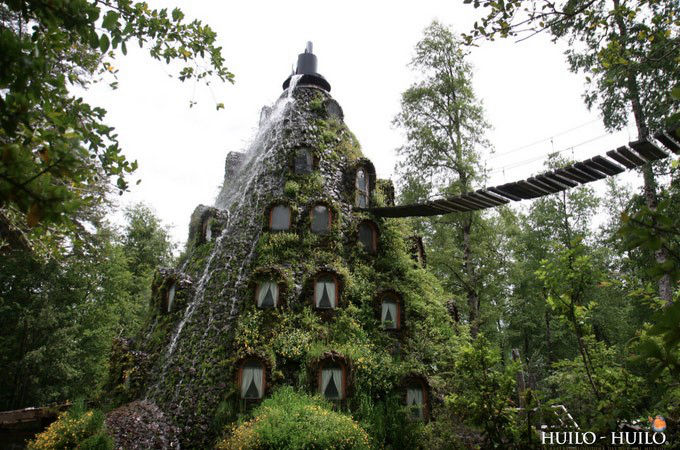 Magical magical wood
 Surreal paintings: T
 This is a portrait o
 Photography Tip: Gre
 Street donation shop
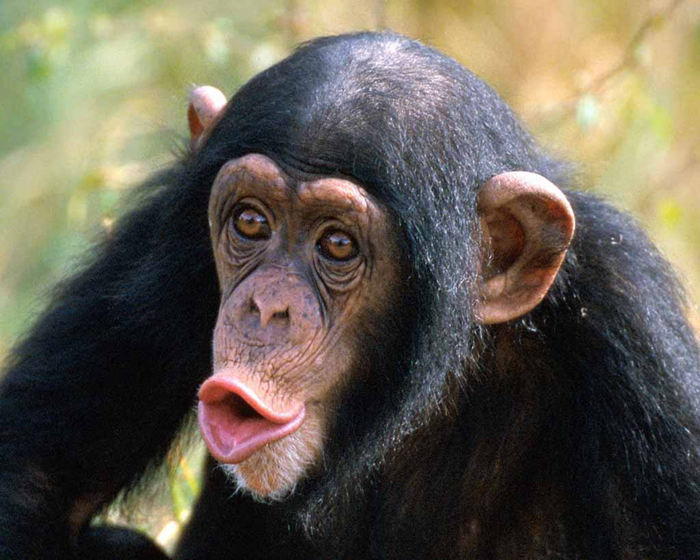 Among the top 10 sma
 The foreigner uncle