Lifestyle
Key Takeaways
- Protests are impacting local businesses and community events during the World Cup.
- Mayor Katie Wilson has remained silent amid growing tensions in the city.
- Local businesses report declining sales despite the hype surrounding the World Cup.
- Community rallies aim to attract visitors to the Chinatown-International District.
- Concerns about 'human dumping grounds' are fueling public outcry.
The World Cup's Anticipation and Local Tensions
The excitement surrounding Seattle's hosting of the World Cup is palpable. Fans flock to the streets, eagerly anticipating the matches, yet a cloud of controversy looms over the festivities. Protests are breaking out, particularly focusing on the socioeconomic issues plaguing the city.
As the U.S. prepares to go head-to-head in the tournament, the local community is divided. While sports enthusiasts celebrate the event, activists raise alarms about the conditions of vulnerable populations and the perception of Seattle as a 'human dumping ground.' These protests highlight a significant disconnect between the celebratory atmosphere and the pressing social issues.
Economic Impact: A Double-Edged Sword
For local businesses, the World Cup is seen as a golden opportunity. However, recent reports indicate a surprising downturn in sales. Merchants in Seattle’s iconic Chinatown-International District express concerns that the protests and heightened social tensions are deterring customers.
“The buzz around the World Cup had us optimistic, but there’s a stark difference between the hype and actual foot traffic,” shares a local store owner. Economic analysts predict that if these trends continue, many establishments may struggle to recover post-tournament.
Community Response and Activism
In response to the protests, community organizations are mobilizing efforts to redirect the attention toward supporting local businesses and celebrating cultural heritage. A rally is scheduled at Hing Hay Park, designed to draw World Cup fans to the Chinatown-International District, showcasing local culture instead of division.
The rally aims to unite the community, emphasizing the importance of solidarity and support for local economies amidst the excitement of the World Cup.
Mayor's Silence Sparks Controversy
Mayor Katie Wilson's silence regarding the protests has raised eyebrows. Critics argue that her lack of response signifies a disconnect from the issues facing Seattle residents. “We need leadership that acknowledges our problems, not just the celebrations,” said a protest organizer.
The mayor's absence from public discourse during this critical time has led to increased scrutiny over her administration's priorities, with many locals calling for more action and engagement on unresolved social issues.
Conclusion: Finding Balance Amidst Chaos
As Seattle prepares for the World Cup, the city finds itself at a crossroads. The thrill of international competition is marred by serious social concerns, testing community resilience. The response from local leadership, businesses, and activists will shape the narrative during and after this momentous occasion. For cities around Southeast Asia, including the Indonesian market, these events serve as a reminder of the delicate balance between celebration and social responsibility.
Reproduction without permission is prohibited: Lifestyle » Seattle's World Cup Excitement Overshadowed by Protests and Economic Concerns | venetian slot, totoslot vip, www asian303
 Some people are actu
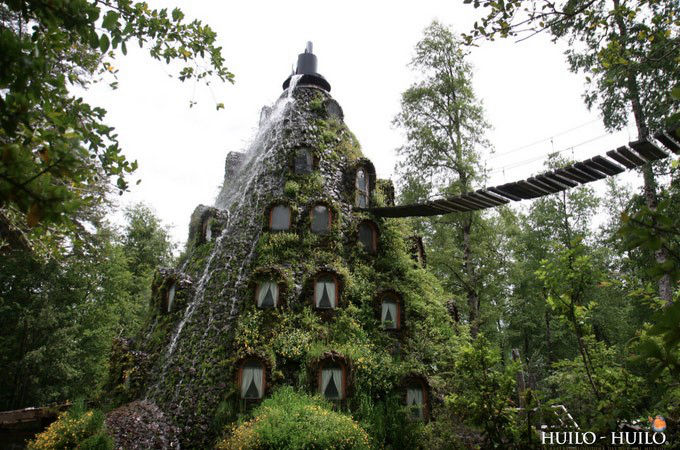 Magical magical wood
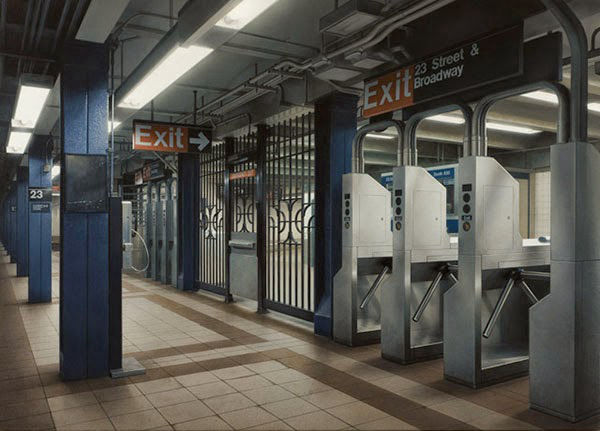 Surreal paintings: T
 This is a portrait o
 Photography Tip: Gre
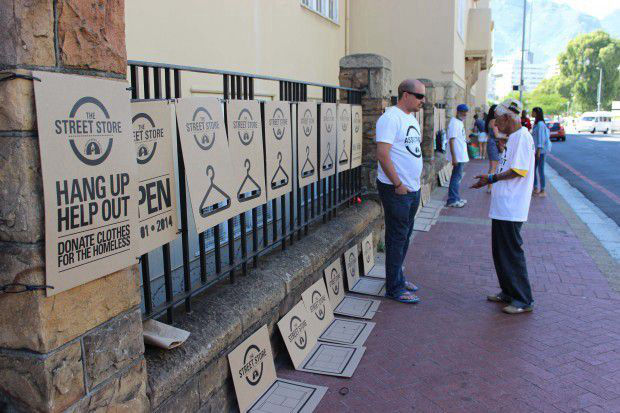 Street donation shop
 Among the top 10 sma
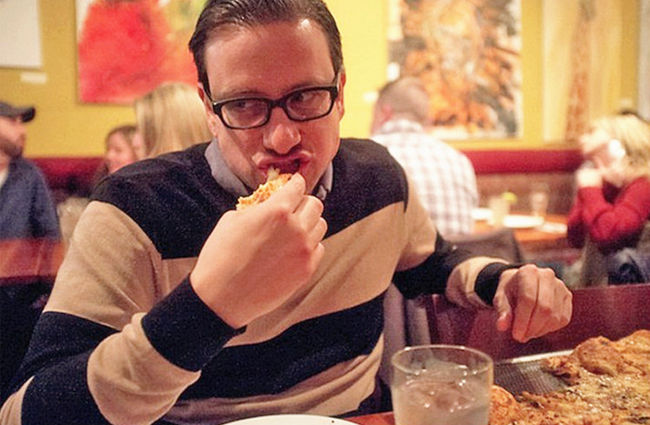 The foreigner uncle