Lifestyle
Transforming Images into 3D Models: The Future of AI in Design
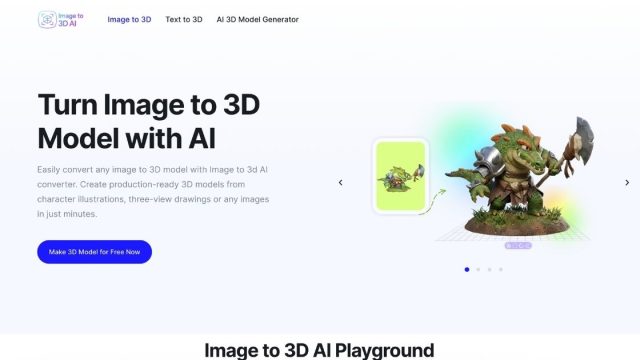
The advent of Artificial Intelligence (AI) has significantly altered the landscape of various industries, particularly in design and gaming. One of the most exciting advancements is the ability to convert 2D images into intricate 3D models. This innovative approach is not just a trend but a pivotal shift that professionals in technology, design, and education need to grasp, especially in the context of current demands for immersive experiences.
The Power of AI in Image Conversion
AI-driven technologies have made significant strides in recent years, enhancing how we create and interact with digital content. The capability to convert images into 3D models offers numerous advantages, particularly for industries relying on visual representation. Here’s why this technology is garnering attention:
- Enhanced Visual Experience: 3D models provide a depth and realism that 2D images cannot achieve, thus enhancing user engagement.
- Efficiency in Design: Designers can save time and resources by quickly generating models from existing images.
- Accessibility: This technology opens up 3D modeling to a broader audience, including educators and hobbyists, who may lack extensive technical training.
Applications Across Industries
The implications of converting images into 3D models extend far beyond traditional design. Various sectors are beginning to realize the potential of this technology, each adapting it to meet their unique needs:
Gaming
The gaming industry is one of the most dynamic fields benefiting from AI-generated 3D models. Developers can create immersive environments and characters more efficiently, enhancing the gameplay experience. With the ongoing frenzy surrounding new game releases, having sophisticated 3D graphics can be a deciding factor for success in a competitive market.
Education
In educational settings, 3D models can transform how subjects like science and history are taught. For example, converting historical artifacts into 3D allows students to explore them interactively. As educational methodologies move towards more engaging formats, this technology will play a crucial role in enriching learning experiences.
Architecture and Design
Architects and interior designers are leveraging AI to visualize their concepts. Creating 3D models from 2D sketches expedites the design process, allowing for better client communication and quicker revisions. This capability supports the growing demand for personalized designs, making it easier to tailor projects to individual preferences.
Why Now is the Time to Embrace This Technology
In the current climate where digital interaction is paramount, integrating AI technologies into ongoing projects isn't just beneficial; it’s essential. The rise of the metaverse and augmented reality applications is pushing the need for high-quality 3D content to new heights. As businesses strive to stay relevant, those who harness AI for 3D conversion will have a distinct advantage.
Current Trends in AI and 3D Modeling
Here are a few key trends shaping the future of 3D modeling with AI:
- Rapid Prototyping: AI allows for quick iterations of designs, enabling faster testing and feedback loops.
- Integration with Virtual Reality: 3D models can be seamlessly incorporated into VR environments, creating immersive user experiences.
- Collaboration Tools: New platforms leveraging AI for 3D modeling facilitate better collaboration among teams, regardless of location.
Challenges and Considerations
Despite the numerous advantages, there are challenges to consider when adopting AI-driven 3D modeling. The quality of the output depends heavily on the algorithms used and the complexity of the original images. Additionally, there’s a learning curve associated with utilizing these technologies effectively. Businesses must weigh these factors against the potential gains and strategically plan their implementation.
Conclusion
The transformation of 2D images into 3D models through AI is not merely a fleeting trend; it represents a critical evolution in how we interact with digital mediums. As we witness rapid changes in technology and increasing consumer expectations, embracing these advancements in 3D modeling can propel businesses forward. The time to act is now—those who adapt to this paradigm shift will set the stage for future success. Explore the endless possibilities that 3D modeling has to offer and stay ahead of the curve in an ever-evolving digital landscape.
Reproduction without permission is prohibited: Lifestyle » Transforming Images into 3D Models: The Future of AI in Design | daftar pttogel, liga belanda 1
 8 of the most breath
 8 Chinese paradises
  Inverted landscape p
 Eight of China’s mos
 Graceful fairy woven
 Burglary Incident at
 Why Supermarket Food
 The Snacking Revolut