Lifestyle
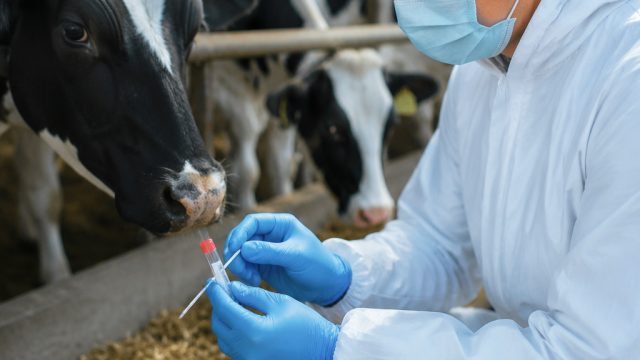
Decoding H5N1: New Insights into Bird Flu's Unusual Behavior in Cows
In a groundbreaking study, scientists have unraveled a perplexing aspect of the H5N1 bird flu virus, revealing its unusual preference for infecting cows' mammary glands rather than their lungs. This discovery not only sheds light on the virus's behavior but also holds significant implications for predicting future outbreaks and managing public health risks.
The Unexpected Target: Cow Mammary Tissue
For years, the H5N1 virus, primarily known for its impact on birds, has posed a significant threat to livestock. Recent research indicates that the virus prefers to attach itself to specific receptors found in mammary tissues of dairy cows. This preference can potentially explain the occurrence of atypical infections in these animals.
Why is this Important?
The significance of this finding cannot be overstated. Understanding that the virus targets mammary glands could help scientists develop targeted monitoring strategies for dairy farms, especially in areas with reported H5N1 cases. Early detection of such infections can play a crucial role in preventing wider outbreaks.
The Mechanism Behind the Virus's Behavior
Researchers have identified that the receptors facilitating the H5N1 virus's entry are concentrated in the mammary glands, which may not only lead to infection but also increase the likelihood of the virus spreading through milk. This mechanism emphasizes the importance of biosecurity measures in dairy farming. Protecting cows from potential exposure can help safeguard public health and the agricultural economy.
Implications for Public Health
The transmission of H5N1 from cattle to humans, although rare, poses serious risks. As scientists work on understanding the viral behavior, they aim to establish guidelines for monitoring and controlling H5N1 outbreaks effectively. Thus, proactive measures in dairy farms could very well serve as the first line of defense against potential human infections.
Future Directions in Research
This discovery opens doors to further investigations into the behavior of H5N1 and other zoonotic viruses. Future research will likely focus on:
- Developing vaccines tailored for livestock.
- Exploring antiviral treatments for infected animals.
- Establishing comprehensive surveillance systems in high-risk areas.
- Understanding the genetic mutations that enable the virus to adapt to new hosts.
Collaborative Efforts Needed
To combat the evolving threat of H5N1, collaboration among veterinarians, public health officials, and researchers is essential. By sharing knowledge and resources, stakeholders can enhance their preparedness for potential outbreaks.
Conclusion: Staying Informed for the Future
The insights gained from this research highlight the critical need for continuous monitoring of H5N1 infections in livestock. Dairy farmers, public health officials, and researchers must remain vigilant to ensure that the virus does not translate to a broader public health crisis. Staying informed and proactive can make a significant difference in managing this viral threat effectively.
Reproduction without permission is prohibited: Lifestyle » Decoding H5N1: New Insights into Bird Flu's Unusual Behavior in Cows | pragmatic play john hunter, giok4d site
 8 of the most breath
 8 Chinese paradises
  Inverted landscape p
 Eight of China’s mos
 Graceful fairy woven
 Burglary Incident at
 Why Supermarket Food
 The Snacking Revolut