
 Lifestyle
Introduction
Bali, a hotspot for tourists and digital nomads, is making headlines due to its recent changes in visa regulations that specifically affect influencers and content creators. The Indonesian island, renowned for its stunning landscapes and vibrant culture, has become a popular destination for those looking to showcase their adventures on social media. However, the local government is now tightening its grip on visa policies, aiming to promote responsible tourism and protect its cultural heritage.
Key Takeaways
- Bali has announced stricter visa policies for content creators.
- New regulations aim to curb illegal work and promote local economy.
- The changes affect influencers from various regions, especially Southeast Asia.
- Compliance with Indonesian laws is crucial for long-term stays.
- Influencers must now apply for appropriate work visas.
What Sparked the Change?
The surge in social media activity in Bali has prompted local authorities to reassess existing visa policies. Over the past few years, the island has seen an influx of foreign influencers who utilize its picturesque scenery for content creation. However, many have reportedly overstayed their visas or engaged in activities not permitted under their tourist status. This has raised concerns among local businesses and residents about the sustainability of such practices.
Economic Impact
The economic landscape in Bali heavily relies on tourism, with many local businesses catering to the needs of travelers and influencers. The new regulations aim to ensure that influencers contribute positively to the economy rather than taking advantage of its resources. By implementing stricter visa rules, Bali hopes to foster a healthier environment for both visitors and locals.
Understanding the New Regulations
Under the new rules, influencers must now apply for a specific work visa if they plan to create content for commercial purposes. This shift is significant as it requires them to demonstrate a clear intention to engage in lawful work while ensuring they support the local economy. Penalties for non-compliance can include fines or deportation, highlighting the seriousness of these regulations.
What Does This Mean for Influencers?
For influencers and content creators, this regulatory change signifies a need for adaptation. Those planning to visit Bali for content creation must now thoroughly understand the visa requirements to avoid legal pitfalls. Additionally, influencers who previously relied on Bali's open policies may find it challenging to maintain their creative output without proper compliance.
Future of Influencing in Bali
The stricter visa rules could lead to a more responsible influencer community in Bali, where content creators are encouraged to engage with local culture and contribute to the community. This could result in a shift in the type of content produced, focusing more on authentic experiences rather than superficial tourism. As the influencer market evolves, Bali's regulations may serve as a model for other regions facing similar challenges.
Conclusion
Bali's new visa regulations present both challenges and opportunities for influencers and content creators. As they navigate these changes, understanding the importance of compliance and responsible tourism will be essential. By adapting to the evolving landscape, influencers can continue to thrive while respecting the cultural and economic fabric of Bali. This necessary shift in policies emphasizes the balance between tourism and local integrity, ensuring a sustainable future for all.
Reproduction without permission is prohibited: Lifestyle » Bali's New Visa Regulations: A Wake-Up Call for Influencers | morgan aero 8 2020 price, situs pragmatic demo, oyo99 rtp, cong168 slot
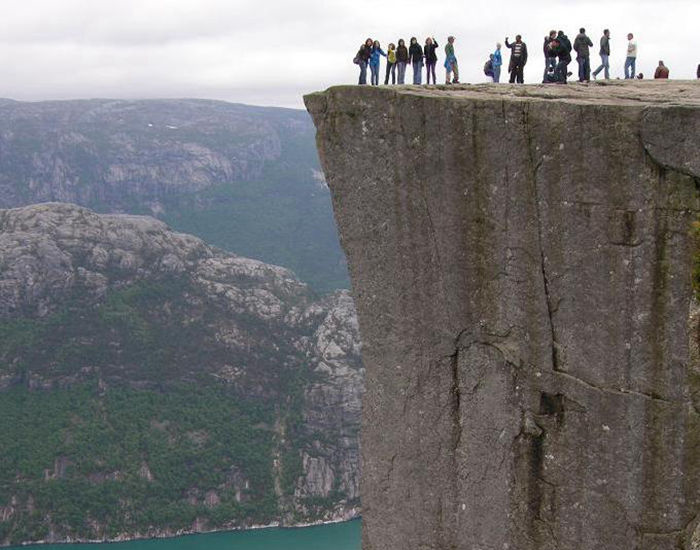 8 of the most breath
 8 Chinese paradises
  Inverted landscape p
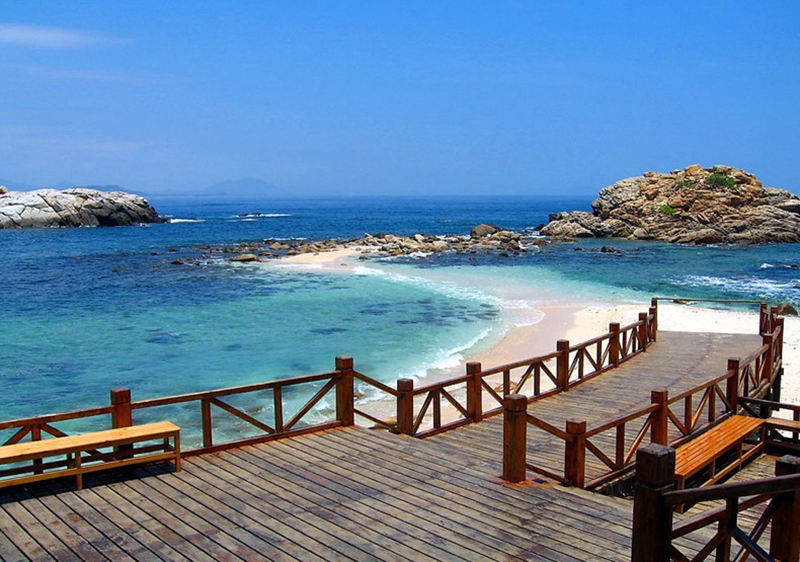 Eight of China’s mos
 Graceful fairy woven
 Burglary Incident at
 The Snacking Revolut
 Why Supermarket Food