Lifestyle
Key Takeaways
- Bangladesh's plastic sector faces a Tk15,000 crore loss due to Middle East tensions.
- Supply chain disruptions are impacting manufacturing and availability of plastic goods.
- Trade relations between ASEAN nations may undergo reevaluation amid these challenges.
- Consumer prices are likely to rise due to increased production costs.
- Businesses are urged to diversify supply sources to mitigate future risks.
The Impact of Middle East Crisis on Bangladesh's Plastic Market
Bangladesh's plastic industry is reeling from the repercussions of the ongoing crisis in the Middle East, with an estimated loss of Tk15,000 crore. This significant downturn emphasizes the precarious nature of supply chains that rely heavily on imports. The escalation of geopolitical tensions has created a ripple effect, disrupting the flow of essential materials and components that are vital for the production of plastic goods.
The Middle East has traditionally been a key supplier for various raw materials used in the plastic manufacturing process. With current tensions, businesses in Bangladesh are finding it increasingly difficult to secure these necessary inputs. As a result, many manufacturers are facing delays in production and are unable to fulfill orders, which could further exacerbate the economic impact of this crisis.
Understanding the Supply Chain Vulnerabilities
The challenges faced by Bangladesh's plastic sector are not isolated. They reflect a broader issue within the ASEAN region, where countries increasingly depend on global supply chains. The crisis serves as a wake-up call for businesses to reassess their dependency on specific regions. As supply chains are disrupted, many are looking to diversify their sources to avoid similar pitfalls in the future.
Cost Implications for Consumers
As manufacturers grapple with supply shortages, consumers will likely feel the financial pinch. Increased production costs may lead to higher prices for plastic products. Items that were once affordable could see a significant price hike, affecting households across Bangladesh. This scenario is particularly concerning for lower-income families who may struggle to absorb these costs.
Long-Term Effects on the Industry
In addition to immediate financial losses, the plastic industry may face long-term repercussions. Companies that rely on stable supply chains may need to rethink their strategies to ensure sustainability in the volatile market landscape. The push for diversification might also encourage innovation, as businesses seek alternative materials and processes that could ultimately enhance their resilience against future disruptions.
Future Prospects and Strategies for Recovery
To navigate through this crisis, industry stakeholders must adopt proactive strategies. Collaboration among businesses, the government, and trade organizations could pave the way for more robust supply chains. Initiatives such as developing local industries to produce raw materials could mitigate reliance on foreign imports.
Furthermore, as the Indonesian market continues to expand, particularly in Jakarta, Surabaya, and Bali, Bangladesh's plastic manufacturers might look to ASEAN countries for potential partnerships. By creating synergies within the region, companies can bolster their supply chains and improve their competitive edge.
Conclusion
The recent crisis in the Middle East has unveiled critical vulnerabilities within Bangladesh's plastic market, resulting in significant financial losses. As the industry grapples with the aftermath, the need for strategic changes and diversification has never been more pressing. The shift towards a more resilient supply chain could not only help mitigate the current losses but also prepare the sector for future challenges. The way forward involves innovation, collaboration, and a keen focus on sustainability, ensuring that Bangladesh's plastic industry can weather any storm.
Reproduction without permission is prohibited: Lifestyle » Middle East Tensions Impact Bangladesh's Plastic Industry Significantly | eurolotteryresults, syair hk mlam ini, permainan kartu seru, cuan138, the best online casino sites
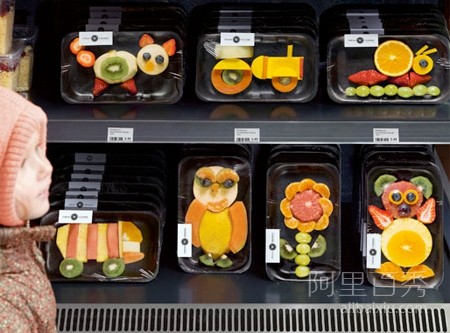 Cute and cute fruit
  Gadgets made of food
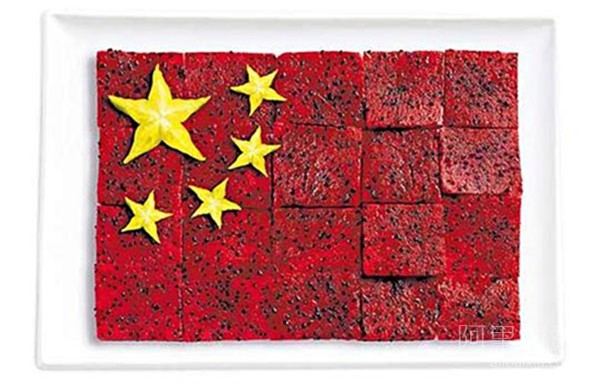 National flags made
  NIGO Revives Kenzo’s