Lifestyle
Key Takeaways
- Looksmaxxing apps are increasingly popular among millennials and Gen Z.
- Users often report feeling pressured to conform to beauty standards.
- These apps can have both positive and negative effects on self-esteem.
- Regions like Southeast Asia see a significant rise in these applications.
- Understanding their impact is crucial for mental wellness.
Understanding Looksmaxxing Apps
In today's digital landscape, a surge in beauty-enhancing applications has emerged, leading to a phenomenon known as "looksmaxxing." These apps provide users with suggestions on how to improve their appearance, often using facial recognition technology and filters. While some find empowerment through these tools, others face increasing pressure to meet unrealistic beauty standards.
What Drives the Popularity?
The allure of looksmaxxing apps stems from a combination of social media influence and the desire for self-improvement. Users, particularly those in their late teens to early thirties, are often bombarded with idealized images of beauty on platforms like Instagram and TikTok. This exposure can lead to a longing for similar aesthetic traits.
The Psychological Impact
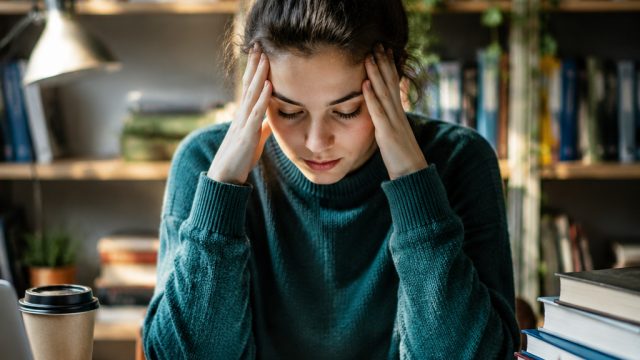
The impact of these applications extends beyond physical appearance. Psychological studies indicate that while some users gain confidence, many others develop anxiety and dissatisfaction with their looks. The constant comparison fueled by these apps can lead to a distorted self-image, particularly in younger demographics.
The Southeast Asian Market Trend
In Southeast Asia, especially in countries like Indonesia, the trend of looksmaxxing applications is gaining momentum. Cities like Jakarta and Bali are seeing a growing number of users actively engaging with these platforms. The availability of technology and increased internet access has made beauty apps accessible, leading to a significant cultural shift in beauty norms.
Market Growth and Opportunities
As of 2023, the beauty app market in Indonesia is projected to grow by over 15%, catering to the rising demand for beauty enhancement tools. Brands are capitalizing on this trend, creating targeted marketing campaigns that resonate with young adults.
Social Media and Influencer Culture
In the realm of social media, influencers play a crucial role in promoting looksmaxxing apps. Their endorsements can significantly sway public opinion, leading more individuals to download and rely on these applications. The effect is particularly pronounced in urban areas where beauty standards are heavily influenced by trending content.
Finding Balance: Embracing Authenticity
As looksmaxxing apps continue to rise, it’s essential for users to seek a balance between self-improvement and self-acceptance. Mental health experts encourage users to engage with these tools mindfully, recognizing their potential benefits while avoiding detrimental comparisons. Embracing authenticity is key to maintaining a healthy self-image.
Recommendations for Users
- Limit app usage to avoid constant comparisons.
- Engage with supportive communities that promote body positivity.
- Seek professional help if feelings of inadequacy persist.
Conclusion
Looksmaxxing apps have undoubtedly reshaped the landscape of beauty and self-perception, particularly among young adults in Southeast Asia. As they continue to gain traction, understanding their impact on mental health and societal beauty standards is more crucial than ever. By fostering a culture of acceptance and promoting realistic standards of beauty, we can help mitigate the pressures these applications may create. The key lies in leveraging technology positively while prioritizing mental wellness.
Reproduction without permission is prohibited: Lifestyle » The Rise of Beauty Apps: Enhancing Looks or Creating Pressure? | premier league outright odds, game of throne slot, main liga168, nonton incredibles, toto268 rtp
 Cute and cute fruit
  Gadgets made of food
 National flags made
  NIGO Revives Kenzo’s