Lifestyle
Key Takeaways
- NPM's release cooldown aims to enhance security for software updates.
- This measure has sparked debate among developers regarding its true efficacy.
- Critics suggest it's more of a symbolic gesture than a practical solution.
- The cooldown period is designed to prevent malicious alterations in packages.
- Understanding this system is crucial for developers operating within the Indonesian market.
What is NPM's Release Cooldown?
The Node Package Manager (NPM) has established a release cooldown period. This framework is primarily designed to bolster security by ensuring that updates to packages are not released too hastily. When developers push new code, this cooldown period serves as a safeguard against potential vulnerabilities that might arise from rapid changes. However, the effectiveness of this measure has come under scrutiny, prompting discussions across developer communities about its real value.
Why a Cooldown Period?
The rationale behind implementing a cooldown is straightforward: security. In a digital landscape where software package vulnerabilities are increasingly exploited, NPM's approach is seen as a proactive step. By imposing a waiting period between releases, the system aims to minimize the risk of deploying malicious code unnoticed. Nonetheless, many developers argue that the approach may not adequately address deeper issues within software security.
The Debate: Security Measure or Symbolic Gesture?
While proponents argue that the cooldown is a necessary buffer against threats, critics are skeptical. They assert that the cooldown may not significantly deter malicious activity, as those with harmful intentions could bypass the waiting period through other means. According to some developers, this regulation can create unnecessary friction in the development process, particularly in fast-paced environments. This concern is particularly relevant for developers in regions like Southeast Asia, including Indonesia, where the tech industry is rapidly evolving.
Potential Impact on Development and User Experience
The implications of this cooldown extend beyond just security. Developers who rely on NPM for their projects may face delays in delivering updates or fixes, which could adversely affect user experience. Over time, this could lead to a backlog of critical updates, potentially leaving applications vulnerable. In a fast-moving market like Indonesia's, where user expectations are high, such delays could be detrimental.
How Developers are Responding
In response to the concerns raised by the implementation of the release cooldown, many developers are exploring alternative strategies. Some advocate for improving security measures within the existing framework rather than relying on cooldown periods. Others are calling for a more transparent process that could help stakeholders understand the rationale behind these security measures.
Innovative Solutions in the Pipeline
As the discussions continue, some developers are taking proactive steps to enhance their security protocols. Initiatives like code reviews, automated testing, and using secure coding practices are becoming more popular. In regions like Jakarta and Surabaya, tech communities are organizing meetups focusing on security best practices, fostering collaboration to address these challenges effectively.
Conclusion: Navigating the New Normal
As NPM's release cooldown evolves, it is crucial for developers to remain informed and agile. By understanding the implications of this policy, particularly within the fast-paced tech environment of Southeast Asia, developers can better navigate the complexities of security in software development. While the cooldown period may offer a layer of protection, it is through innovative and collaborative approaches that the industry can truly enhance software security.
Reproduction without permission is prohibited: Lifestyle » Understanding NPM's Release Cooldown: A Necessary Measure or Mere Symbolism? | harlem basket, 338 slot, poker pulsa, cedera parah gullit, slot gacor 2022 bonus new member 100
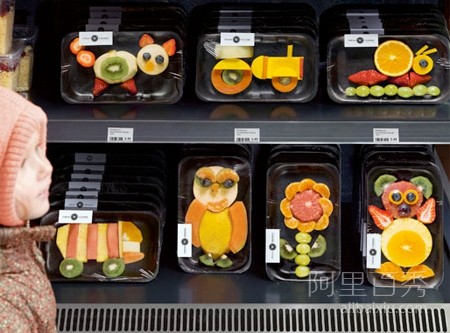 Cute and cute fruit
 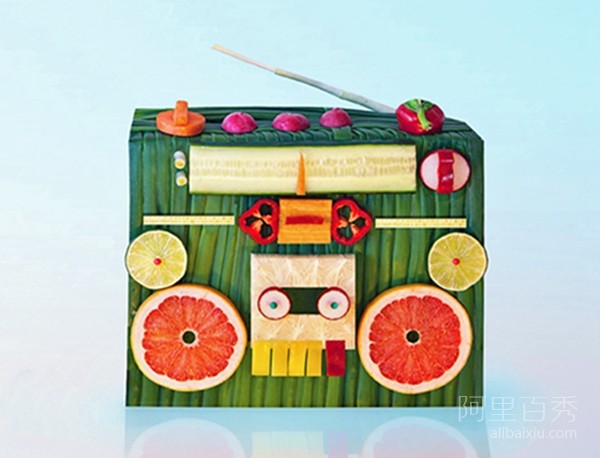 Gadgets made of food
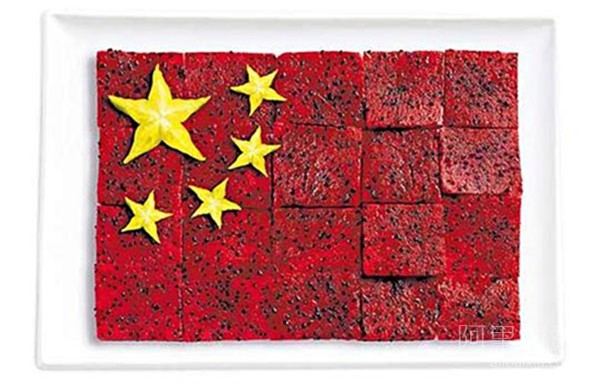 National flags made
  NIGO Revives Kenzo’s