Lifestyle
Key Takeaways
- Handlooms represent India's rich cultural legacy.
- They play a vital role in the country's history of independence.
- Upcoming events celebrate the artistry behind handwoven textiles.
- The handloom sector supports millions of artisans across the nation.
- Handlooms are gaining global recognition for their uniqueness.
The Legacy of Handlooms in India
As we approach Independence Day 2026, it is essential to reflect on how Indian handlooms serve as vibrant symbols of our nation's heritage. Historically, handwoven textiles have not only adorned our ancestors but have also played a critical role in the freedom struggle. Each weave tells a story of resistance and cultural pride, reminding us of the artisans who dedicated their lives to preserving this exquisite craftsmanship.
Connecting Tradition with Modernity
Today, the handloom industry continues to thrive, blending traditional techniques with contemporary designs. This fusion has opened up new avenues for artisans, providing them with platforms to showcase their work globally. The revival of interest in handmade textiles is also paving the way for sustainable fashion, a trend that is increasingly resonating with consumers who are conscious of their ecological footprint.
Importance of Handlooms in the Modern Era
Handlooms are not just remnants of the past; they are integral to the socio-economic fabric of India. The sector employs millions, especially in rural areas, contributing significantly to their livelihoods. The unique characteristics of handwoven fabrics, including their often intricate designs and the stories behind them, make them sought-after items in both local and international markets.
Market Trends and Future Prospects
With the rise of e-commerce platforms, artisans are now able to reach a broader audience. This visibility is crucial, especially as we look forward to 2026, when various initiatives and exhibitions are planned to spotlight Indian textiles. Events focused on handlooms will not only celebrate their beauty but will also stress their importance in the narrative of freedom and individual expression.
Challenges and Opportunities
Despite the bright prospects, the handloom industry faces challenges, including competition from mass-produced textiles and changing consumer preferences. However, there are numerous opportunities that lie ahead. A renewed focus on heritage and cultural identity in a globalized world can lead to the revitalization of this ancient craft. Additionally, educational programs aimed at young artisans can enhance skills and foster innovation within the sector.
Engagement Across Borders
Countries within Southeast Asia, particularly Indonesia, have also begun to recognize the significance of traditional crafts. As ASEAN nations increasingly collaborate on cultural heritage initiatives, there is a growing opportunity for cross-border exchanges that can elevate handloom crafts to a global stage, potentially increasing tourism and economic benefits.
Conclusion
As we prepare to commemorate Independence Day 2026, it's crucial to acknowledge the profound impact of Indian handlooms in shaping our national identity and heritage. These textiles are not merely a means of self-expression but also a testament to the resilience and creativity that underpin our freedom struggle. By supporting this industry, we honor our past while paving the way for a sustainable future.
Reproduction without permission is prohibited: Lifestyle » Celebrating Freedom Through Handloom: A Look Ahead to 2026
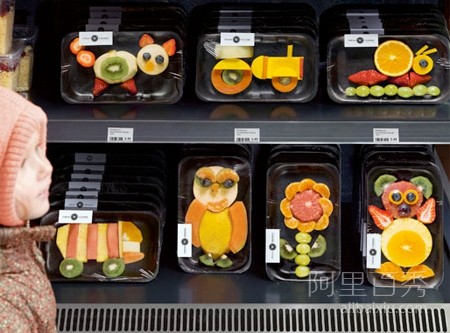 Cute and cute fruit
 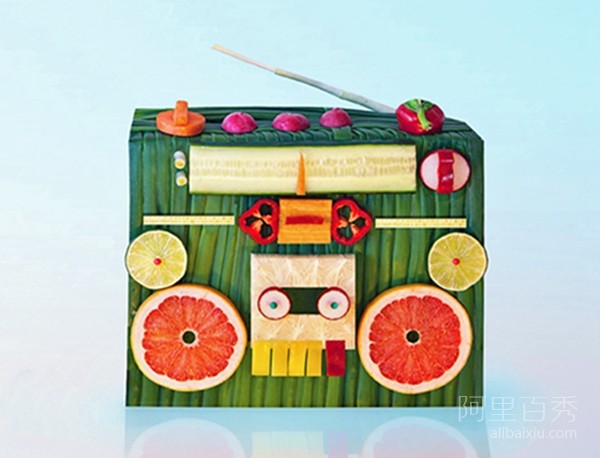 Gadgets made of food
 National flags made
  NIGO Revives Kenzo’s