Lifestyle
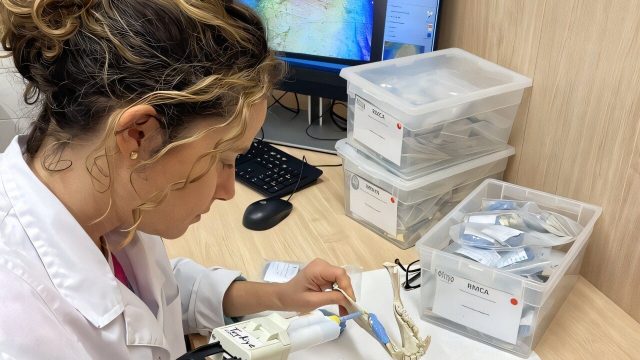
Revolutionizing Primate Diet Studies with Advanced Machine Learning Techniques
In a groundbreaking shift within the field of anthropology, researchers are employing innovative machine learning methodologies to redefine how we understand the diets of African primates. The introduction of advanced 3D dental microwear analysis is not only enhancing the accuracy of dietary assessments but also challenging traditional analytical methods that have long been a staple in this research area.
The Importance of Studying Primate Diets
Understanding primate diets is crucial for several reasons, including ecological preservation, evolutionary studies, and conservation strategies. As primates play an integral role in their ecosystems, comprehending their dietary habits can shed light on the health of their environments and inform conservation efforts.
Why Traditional Methods Fall Short
Historically, research on primate diets has relied on observational methods and qualitative analyses, which can be subjective and less quantifiable. These approaches often lead to ambiguous conclusions about what primates eat, particularly in complex ecosystems where food sources may vary widely.
How Machine Learning is Transforming the Field
The advent of machine learning technology offers researchers advanced tools to analyze data on primate diets more effectively. By utilizing 3D imaging techniques, scientists can now visualize and quantify the microscopic wear patterns on primate teeth, which are indicative of their dietary habits.
3D Dental Microwear Analysis Explained
3D dental microwear analysis involves scanning primate teeth to capture detailed surface textures. This data is then processed through sophisticated algorithms that classify dietary types based on wear patterns. The insights gained from this method are far superior to those provided by traditional techniques.
- High-Resolution Imaging: 3D scans provide detailed visual representations of tooth wear.
- Data-Driven Results: Machine learning algorithms can spot patterns that human analysis might overlook.
- Increased Efficiency: Automated systems reduce time spent on data interpretation.
Recent Findings and Implications
A recent study utilizing this machine learning pipeline has shown promising results, outperforming established methods in identifying the dietary patterns of various primate species. The implications of these findings extend beyond mere academic interest; understanding primate nutrition can support conservation strategies by identifying which food sources are critical for their survival.
Conservation Efforts Enhanced
With enriched data on primate diets, conservationists can develop targeted plans to safeguard essential food sources and habitats. This knowledge is particularly vital as many primate species face threats from habitat loss and climate change.
The Future of Primate Dietary Research
As machine learning technology continues to advance, the future of primate dietary research looks promising. Enhanced analytical capabilities will not only refine our understanding of primate behavior and ecology but also support broader conservation initiatives.
Potential for Broader Applications
This innovative methodology could extend beyond primate studies. The applications of 3D dental microwear analysis may also benefit other fields, including human dietary research and the study of extinct species through fossilized remains.
Conclusion: Why This Matters Now
The integration of machine learning and 3D imaging technology in primate dietary research is more than a technical advancement; it represents a pivotal shift in how scientists understand primates and their interactions with the environment. As we face pressing ecological challenges, the insights derived from these studies will be crucial in guiding conservation efforts and ensuring the survival of primate species worldwide. Staying at the forefront of these advancements is essential for anyone passionate about wildlife conservation and the future of our planet.
Reproduction without permission is prohibited: Lifestyle » Revolutionizing Primate Diet Studies with Advanced Machine Learning Techniques | mau main slot demo gratis, slot bonus 100 to
 Cute and cute fruit
  Gadgets made of food
 National flags made
  NIGO Revives Kenzo’s