Lifestyle
Key Takeaways
- DIY Rakhis promote sustainability and creativity.
- Using natural materials minimizes environmental impact.
- Creating Rakhis at home adds a personal touch.
- Involve family members for memorable bonding moments.
- Eco-friendly Rakhis reflect modern values of care and responsibility.
The Significance of Sustainable Rakhis
As we approach Raksha Bandhan in 2026, the importance of sustainability has never been more relevant. This festival, celebrated widely in India and across Southeast Asia, emphasizes the bond between siblings. Traditionally, Rakhis are made from colorful threads, but with increasing awareness of environmental issues, creating sustainable Rakhis has emerged as a thoughtful trend. By opting for DIY methods, you not only personalize your gifts but also contribute positively to the environment.
Why Choose Eco-Friendly Materials?
The impact of fast fashion and mass-produced goods on our planet is significant. By utilizing natural and recycled materials to create Rakhis, you help reduce waste and promote a healthier planet. Some suggested materials include:
- Jute thread or twine
- Recycled paper
- Seeds that can be planted post-celebration
- Natural dyes made from fruits or vegetables
How to Craft Your Own Rakhis
Creating your own Rakhis can be a fun and fulfilling activity. Here’s a step-by-step guide to get started:
Step 1: Gather Your Materials
Collect all the necessary items beforehand. Consider using items you already have at home to minimize waste.
Step 2: Design Your Rakhi
Sketch your ideas or find inspirations online. This stage allows creativity to shine. You can mix colors, shapes, and textures for a unique look.
Step 3: Start Crafting
Begin by cutting the threads to the desired length. If using seeds or paper, incorporate them into your design. Use eco-friendly glue or stitching to secure the elements together.
Step 4: Personal Touches
Consider adding handwritten messages or small charms that hold significance. This adds an emotional layer to the Rakhis.
Step 5: Packaging
Wrap your finished Rakhis in recycled paper or fabric. This not only looks beautiful but emphasizes your commitment to sustainability.
Family Bonding Through Crafting
Creating Rakhis at home allows family members to come together, fostering a sense of community and shared values. This year, consider involving younger siblings or children in the process. It can be a delightful way to teach them the values of creativity, sustainability, and the importance of family ties, while also preparing for a joyful celebration.
Conclusion: A Modern Take on Tradition
As Raksha Bandhan 2026 approaches, the blend of traditional values with modern sustainability practices offers a unique celebration opportunity. By choosing to make your own Rakhis, you not only celebrate your sibling's love but also contribute to a healthier environment. Embracing this trend encourages more thoughtful gifting and strengthens familial bonds, making this festival even more meaningful.
Reproduction without permission is prohibited: Lifestyle » DIY Sustainable Rakhis for a Meaningful Raksha Bandhan 2026
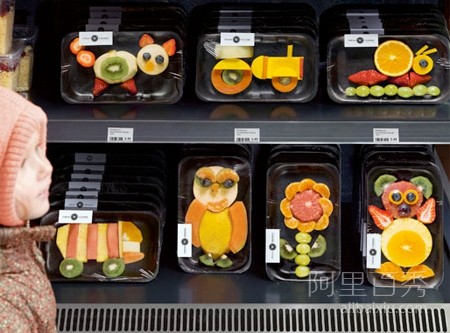 Cute and cute fruit
 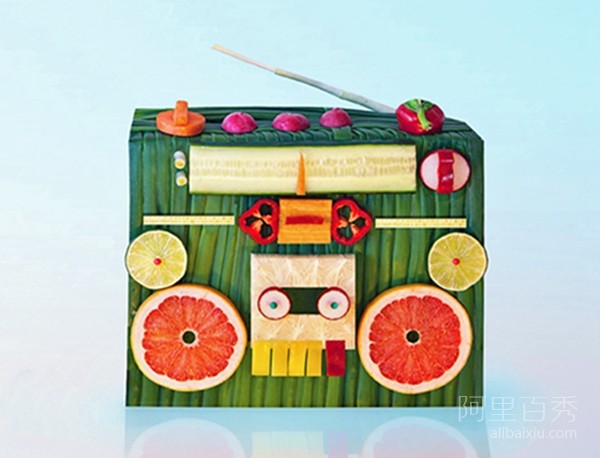 Gadgets made of food
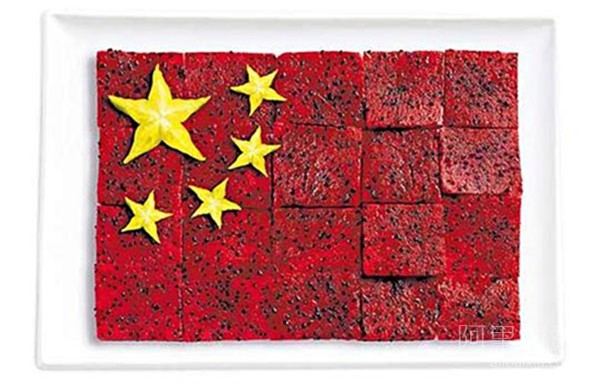 National flags made
  NIGO Revives Kenzo’s