Lifestyle
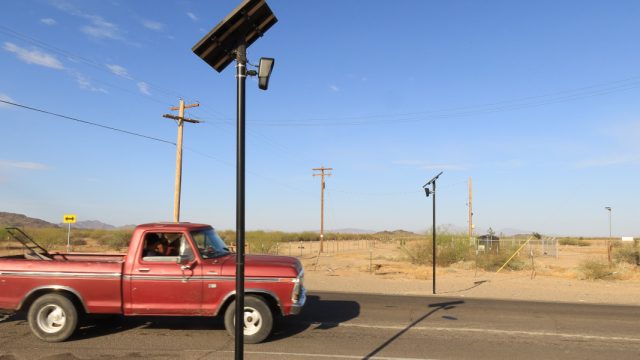
The Controversy Surrounding Local Police Use of License Plate Readers
The integration of technology in law enforcement practices has sparked an ongoing debate over privacy and civil liberties. A recent revelation from the Electronic Frontier Foundation (EFF) highlights how local police departments utilize automated license plate readers (ALPRs), especially those from Flock Safety, to monitor vehicles, including the potential targeting of immigrants. As communities grapple with the implications of these surveillance methods, understanding the stakes has never been more critical.
Understanding Automated License Plate Readers
Automated License Plate Readers are sophisticated devices that automatically capture license plate information. When a vehicle passes by, the ALPR takes a picture of the plate, which is then cross-referenced with various databases. This technology can quickly identify vehicles associated with criminal activity or individuals on law enforcement's radar.
Hotlists and Their Purpose
ALPR systems often use hotlists, which are curated lists of vehicles that police are monitoring for various reasons. These can include:
- Stolen vehicles
- Missing persons
- Gang affiliations
- Suspected terrorist activities
However, recent findings indicate that some police agencies also include vehicles belonging to immigrants, raising concerns about racial profiling and the disproportionate impact on vulnerable communities.
The Role of Flock Safety
Flock Safety has emerged as a significant player in the ALPR market, supplying systems that many local law enforcement agencies use. According to their representatives, local law enforcement can add or remove license plates from their databases based on specific investigations. However, the lack of transparency around what criteria lead to a vehicle's inclusion raises questions about accountability.
Privacy Implications
As communities become aware of these practices, the call for increased oversight and regulation grows louder. Here are some major concerns:
- Privacy Invasion: Constant monitoring can feel invasive, especially if individuals are being targeted based on their immigration status.
- Lack of Oversight: The processes for adding vehicles to hotlists are often opaque, leading to potential misuse.
- Community Trust: The use of technology in policing can erode trust between law enforcement and communities, particularly among immigrant populations.
Why This Matters Now
The implications of using ALPRs are particularly significant in today’s socio-political climate, where discussions about immigration policy and civil rights are at the forefront of national discourse. As communities push back against perceived overreach and potential abuses of power, understanding the landscape of police surveillance becomes crucial.
How Communities Can Respond
Community members are encouraged to engage in discussions about the use of technology in law enforcement. Here are actionable steps individuals can take:
- Attend town hall meetings to voice concerns and learn more about local policing strategies.
- Collaborate with advocacy groups that focus on civil liberties and immigration rights.
- Stay informed about local legislation regarding surveillance technology.
Conclusion
The use of ALPRs by local police, particularly those from Flock Safety, raises significant ethical questions about surveillance and civil liberties. As the conversation evolves, it’s essential for communities to remain engaged and informed. By advocating for transparency and accountability, citizens can help ensure that technology serves to protect rather than infringe upon their rights. With all eyes on law enforcement practices, now is the time to address these pressing issues head-on.
Reproduction without permission is prohibited: Lifestyle » The Controversy Surrounding Local Police Use of License Plate Readers | cempaka slot, javaslot88
 Cute and cute fruit
  Gadgets made of food
 National flags made
  NIGO Revives Kenzo’s