Lifestyle
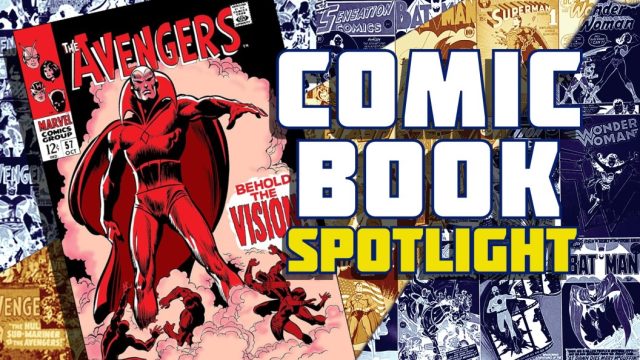
How Avengers #57 Paved the Way for Marvel's Robot Revolution
The announcement of Disney+'s upcoming series VisionQuest has reignited interest in Marvel's rich history of robotic characters, notably those introduced in Avengers #57. This pivotal comic not only marked the debut of Vision but also laid the groundwork for a compelling narrative around artificial intelligence within the Marvel Universe. As fans anticipate the new series, understanding the significance of this landmark issue is more crucial than ever.
The Dawn of Vision
Released in 1968, Avengers #57 introduced readers to Vision, a character created through a blend of science and mysticism. Vision's arrival came at a time when the concept of artificial intelligence was still emerging in popular culture. His unique backstory, created by the brilliant minds of Roy Thomas and John Buscema, set the stage for an intricate exploration of what it means to be sentient.
Vision's Origin Story
In the early days, Vision was portrayed as a complex character, grappling with his own existence and the nature of humanity. This theme resonates with today's discussions surrounding AI ethics and advanced robotics:
- Creation and Identity: Vision's struggle with his identity reflects contemporary issues in AI development.
- Human Emotion: His ability to experience feelings introduces debates about emotional AI.
- Ethical Dilemmas: The portrayal of Vision raises questions about the responsibilities of creators towards their creations.
The Impact of Avengers #57 on Modern Storytelling
As Marvel prepares to delve deeper into the narrative of Vision and other robotic characters with VisionQuest, we can observe how Avengers #57 has influenced the portrayal of robots in media:
Shaping Future Narratives
The introduction of Vision set off a domino effect in comic book storytelling, encouraging writers to explore the dynamics between humans and robots. As a result, we witness:
- Expansion of the Robot Mythos: Characters like Jocasta and Ultron emerged from this robotic narrative thread.
- Complex Relationships: Vision's interactions with other Avengers showcase the intricacies of relationships between human and AI.
- Moral Questions: The ongoing battle against Ultron invites readers to consider the consequences of technological advancements.
Why This Matters Now
The relevance of Avengers #57 extends beyond comic books; it parallels our modern world where technology and AI are increasingly integrated into daily life. With the rise of AI in various sectors, including healthcare, education, and entertainment, the themes explored in this comic resonate profoundly.
The Current Landscape of AI
As VisionQuest approaches, audiences are reminded of the ethical implications surrounding AI technology:
- Humanity's Dependence: Our reliance on robots and AI mirrors the Avengers' own journey with Vision.
- Choosing the Right Path: The narratives of characters like Ultron challenge us to reflect on our choices regarding AI development.
- Future Innovations: As AI evolves, so will the stories we tell about them, drawing inspiration from pivotal moments like the one in Avengers #57.
Conclusion
As Marvel's cinematic universe gears up to explore the depths of Vision's character and the implications of AI through VisionQuest, revisiting Avengers #57 is essential. This issue not only launched a new era of robot characters in Marvel Comics but also continues to inspire discussions about artificial intelligence in our everyday lives. As we look ahead, the fusion of storytelling and technology will undoubtedly shape the future, making the legacy of Vision and his companions more relevant than ever.
Reproduction without permission is prohibited: Lifestyle » How Avengers #57 Paved the Way for Marvel's Robot Revolution | infobola88, raja senang qq, terwin44
 Cute and cute fruit
  Gadgets made of food
 National flags made
  NIGO Revives Kenzo’s