Lifestyle
China, where food ranks first, has countless types of food and countless world-famous food! However, the delicacies that are filthy but delicious are rarely known to people. The editor of the top emoticon has collected some delicacies that are filthy and delicious. Let’s take a look. Do you know any of them?
Tuo Tuo Meat
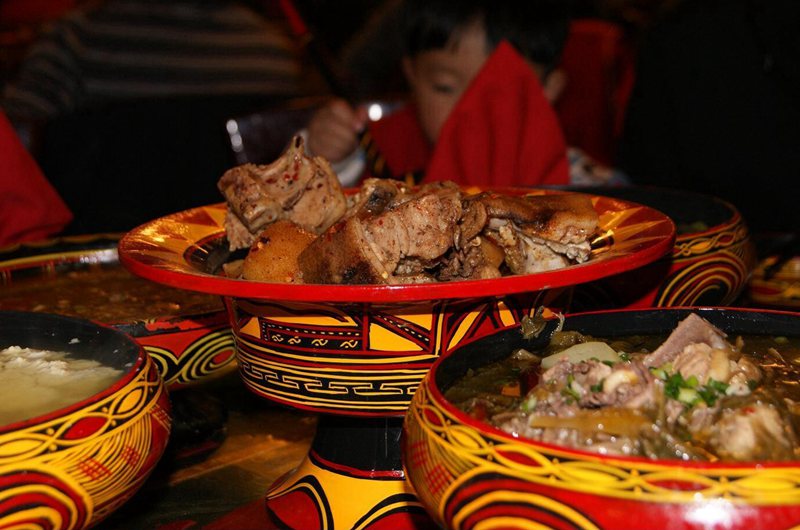
Tuotuo meat, called "black color feet" in Yi language, means pieces of pork. Tuotuo meat is the basic method of making meat for the Yi people in Xiaoliangshan. Because this kind of meat is specially prepared and not very fatty, it tastes more fragrant and more appetizing the more you eat it. The trick to making Tuo Tuo meat is to master the appropriate heat. If the heat is too low, it will be undercooked, and if it is too late, the meat will be soft. Therefore, most people will not cook it. The Tuo Tuo meat made by the Yi people is fresh, fragrant and has a unique flavor, especially made from piglets weighing four to five kilograms. It is crispy and delicious and is a good dish for locals to entertain guests. Therefore, gourd meat has now become a very famous flavor dish in Xiaoliangshan.
Guagua
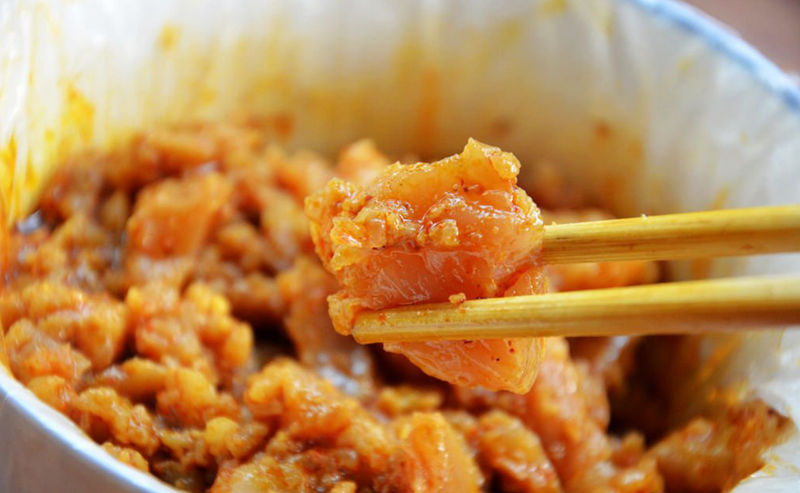
A special food from Tianshui area. No matter it is the harsh winter when the cold wind blows, or the midsummer when the sun is blazing, there are always purple-red guaguas for sale at the stalls. There is a constant flow of diners and the business is particularly prosperous. If Northwest people like to eat hot and sour food, then Tianshui Guagua is a typical spicy snack. If you are a first-time eater, you will be speechless and sweating when faced with a bowl full of red guagua. The locals especially like to eat croak for breakfast, and some men and women almost "cannot live without it for a day."
mixed children
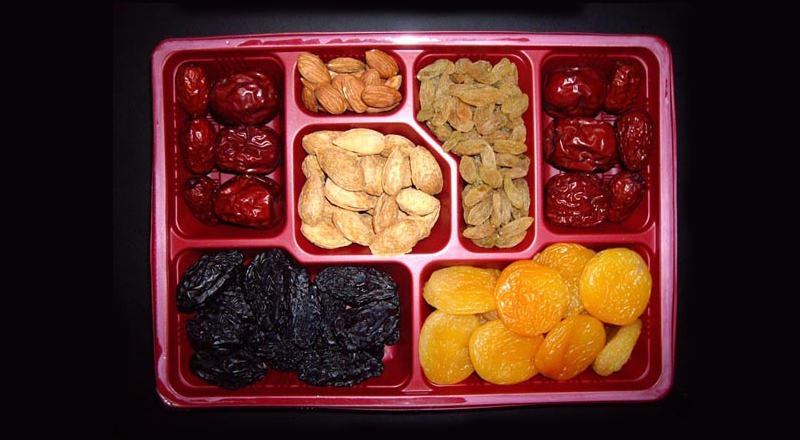
A snack that every household in Beijing must eat during the New Year. When it comes to "mixed food", young people don't know what kind of food it is. Have they never seen it sold in the street market? The "mixed mixer" in old Beijing was actually made by mixing peanuts, dates, chestnuts, preserved peaches, candied dates and other fruits together. During the Chinese New Year in old Beijing, what children like to eat most is not the dumplings and New Year vegetables. What they crave and love the most is the "honey offerings" placed in Buddhist halls to honor the ancestors of gods and the colorful "mixed mix" with various flavors.
Stir up the dough
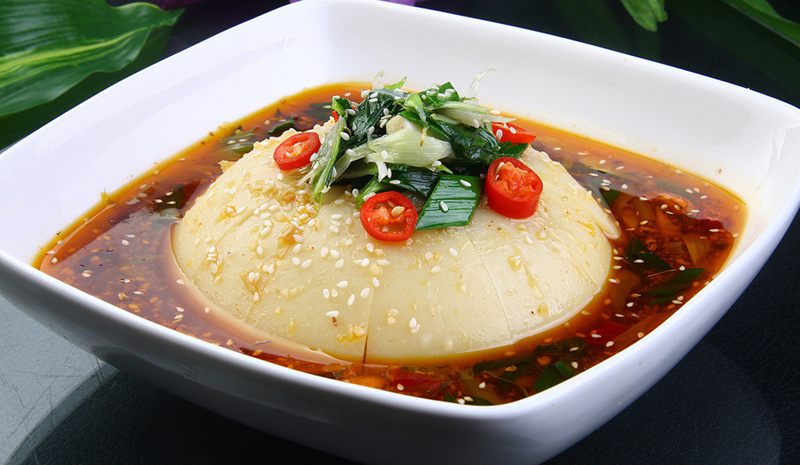
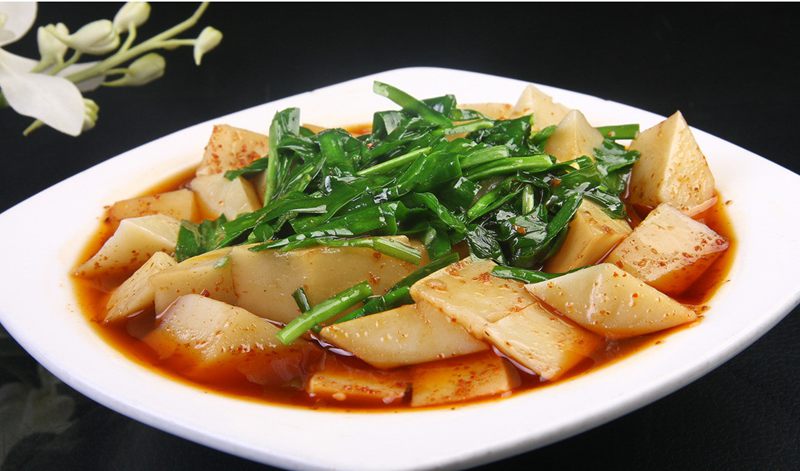
A specialty food in the northwest region. According to different main ingredients, it is divided into buckwheat dough, corn dough and potato dough. In northern Shaanxi, buckwheat dough is used to make dough, which is more chewy and delicious. In the northwest, there is a saying: Whether the daughter-in-law of a family is virtuous or not depends on whether she is good at stirring up troubles or not. A bowl of sour rapeseed soup, a small oil dish, and a large bowl of corn dough. You eat the dough while drinking the vegetable soup. It's fragrant, spicy, oily, sour, salty, with mixed flavors, and has more national characteristics.
Hu spicy soup
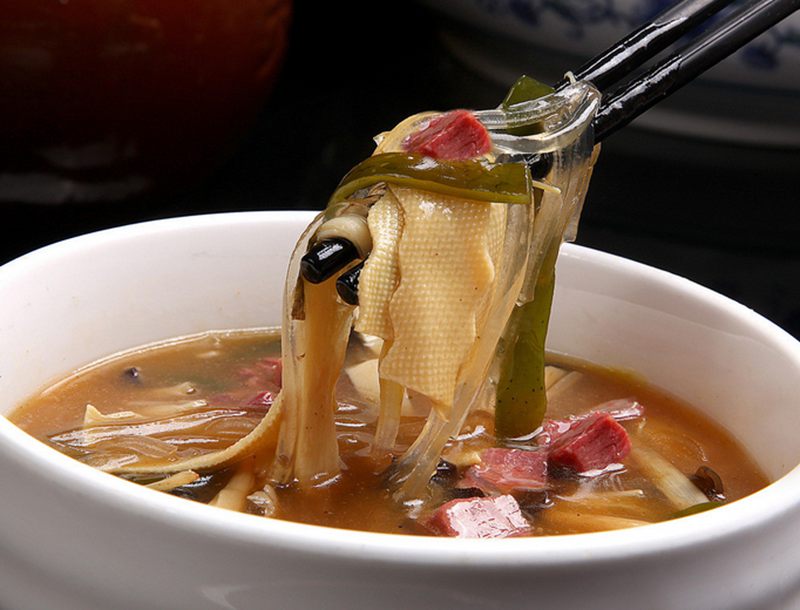
Hu spicy soup, also known as spicy soup, is a traditional breakfast in Henan. It is a traditional Han Chinese soup that is common in northern China for breakfast. The soup is prepared from a variety of natural Chinese herbal medicines in proportion, with pepper and chilli added and bone broth as the base. It is characterized by being slightly spicy, rich in nutrients, and tasty. The soup is rich in flavor, beautiful in color, thick, spicy and delicious, and is very suitable for other breakfast meals. At present, it has developed into one of the snacks loved and known by people in Henan and Shaanxi.
Potato tzacha
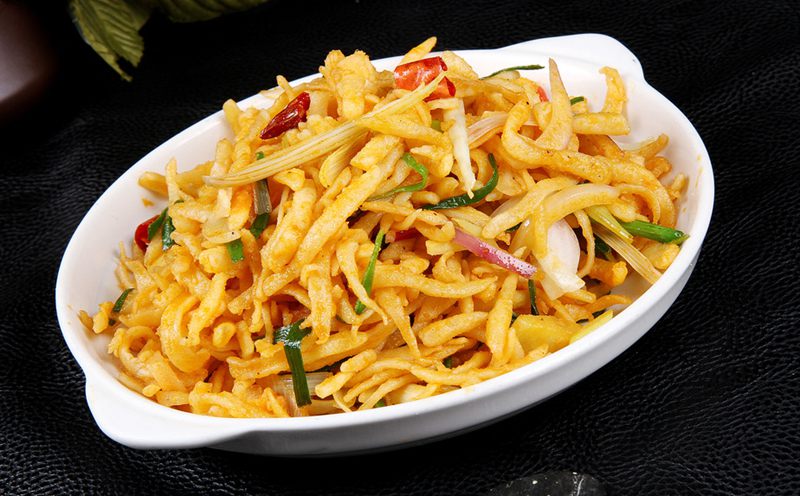
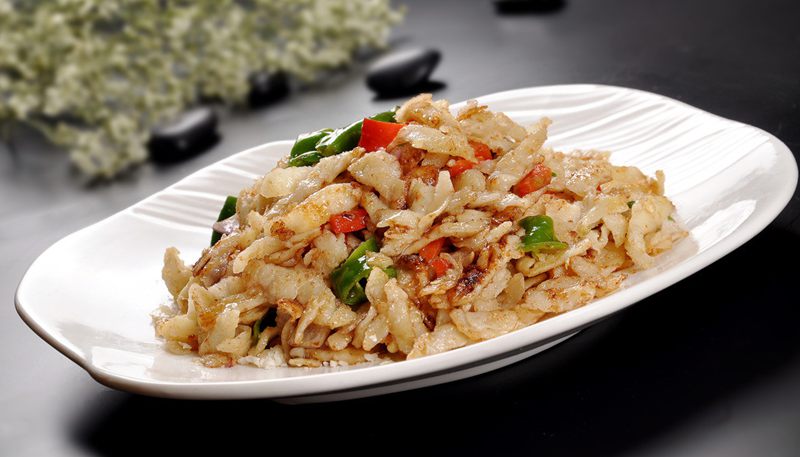
Potato tsa tsa is one of the traditional meals in northern Shaanxi, Shanxi, Shanxi, and Longdong Gansu. Potatoes are actually potatoes, and tsa tsa is a tool used to grate potato shreds. Made with potatoes as the main ingredient and a little white flour, it is deeply loved by people in northern Shaanxi. The golden-colored potatoes have a faint sheen of oil, and the fragrance of the potatoes is overflowing. Once you take a bite, you have the texture and chew of French fries, as well as the fresh aroma of minced meat and red pepper. Yam Tsa Tsa is a natural green food that can be eaten all year round.
Yinziba
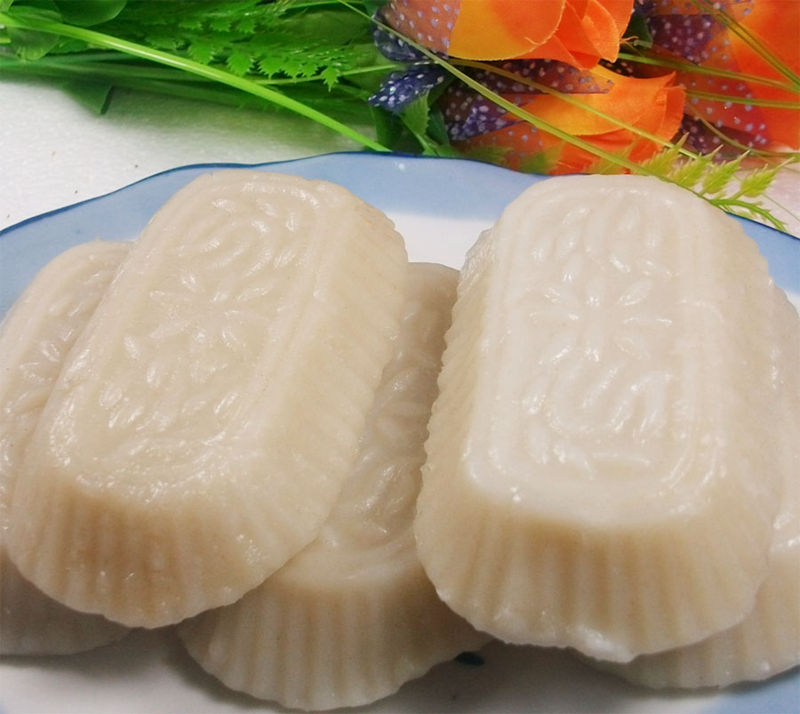
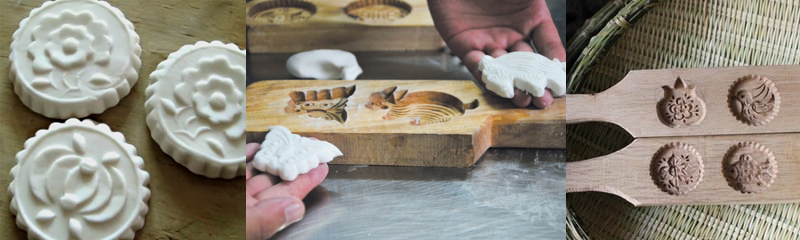
Yinzi cake is a Han folk food in Dazhi, Hubei Province. It is made twice a year, once before the Spring Festival and once after the Flower Festival in February. There are two types of cakes, one is Gao Liang cake is red, which means the days are getting more prosperous; one is white cake, which is steamed and dotted with red in the middle, which represents harvest, joy and holiness. There are also green cakes, which express the hope for good weather and green crops in the coming year. The seals are made of wood and are generally the size of a small teacup. The seals are engraved with reverse patterns of animals and plants such as horses, cows, sheep, chickens, dragons, dogs, birds, flowers, and grasses, which are vivid and lifelike. The pile of rice cakes is crystal clear and beautiful in shape, which can be called an excellent folk art.
Qianqian Rice
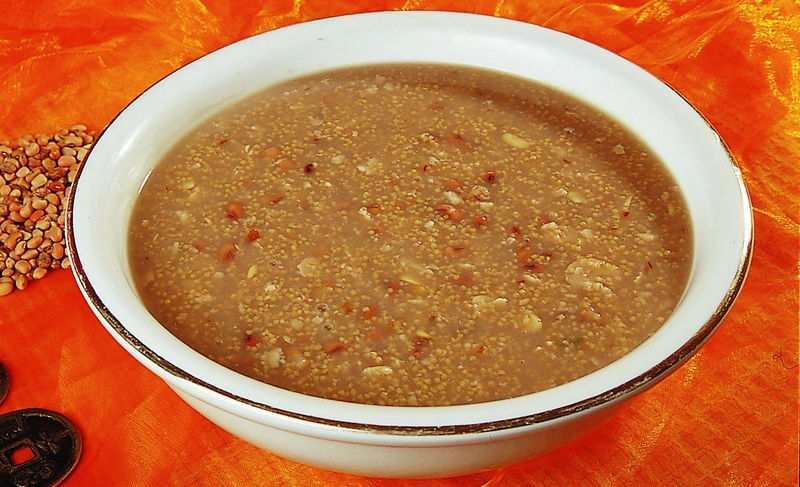
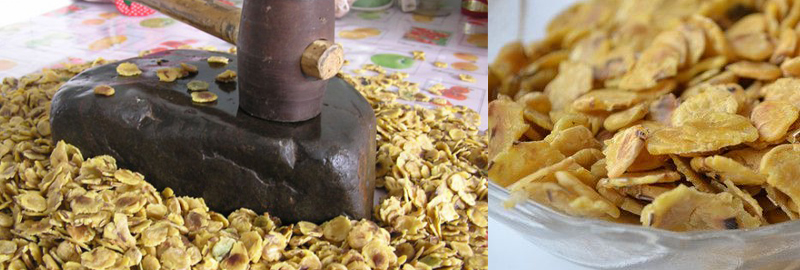
When it comes to Qianqian rice in northern Shaanxi, it is a household name in northern Shaanxi. Everyone knows it. Every housewife can make it, and everyone who has lived in northern Shaanxi has eaten it. Qianqian rice is a kind of porridge. Black beans are soaked, swollen, and put on a grinder. It is pressed into pieces and shaped like copper coins, so people call it "Qianqian rice". It is rich in nutrients and easy to digest. It has the effect of quenching thirst and relieving heat in summer, and has the effect of keeping warm and repelling cold in winter.
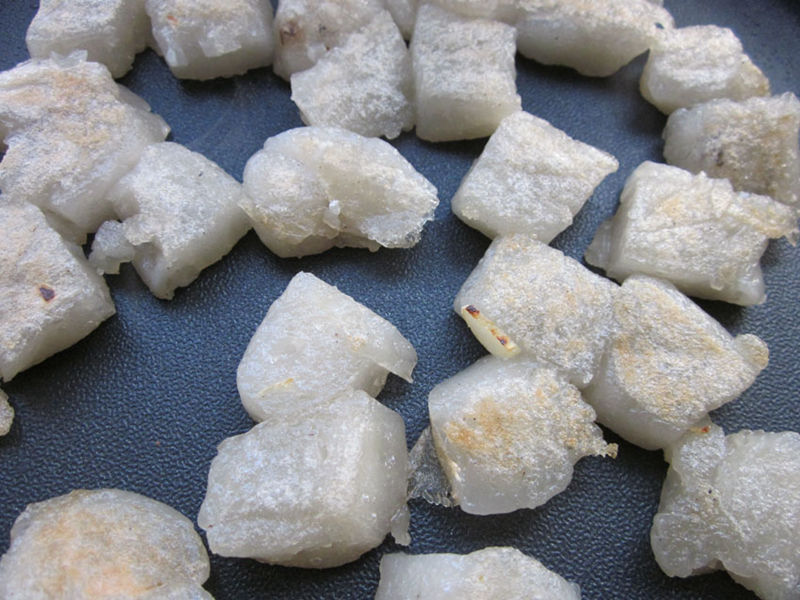
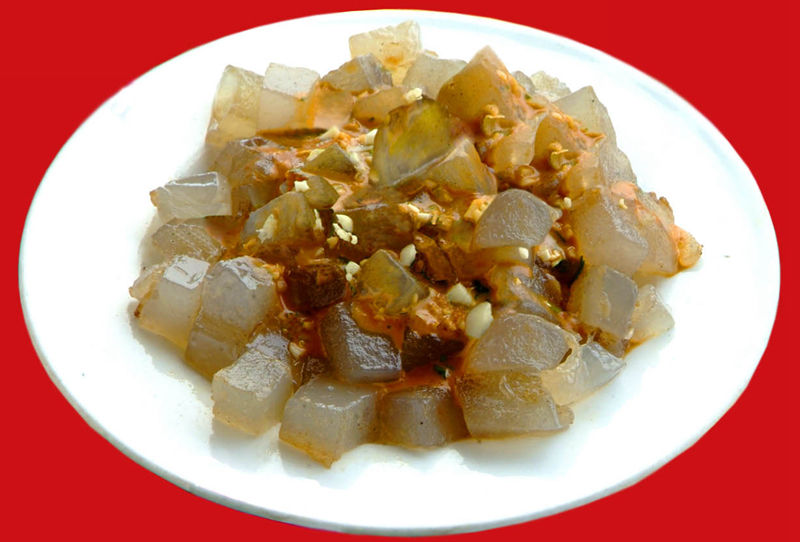
Yantai Braised Zi is a famous Han snack in Yantai, Shandong. It uses crude sweet potato starch as raw material, heats the starch with water and freezes it. Cut the frozen into small pieces and fry it in a pan until it becomes burnt. The color changes from white to transparent, and is served with shrimp oil, sesame sauce, garlic juice and other seasonings. In the past, Braised Zi was very popular among Hong Kong citizens, and wherever snacks were available Mr. Fang is indispensable for braised rice; now, Yantai braised rice is nowhere to be found on the snack street, but it appears in hotels. Teacher Cao, who specializes in cooking at Yantai Commercial School, believes that snacks have the characteristics of snacks, and braised rice should be popular.
Xiushui Shaozi
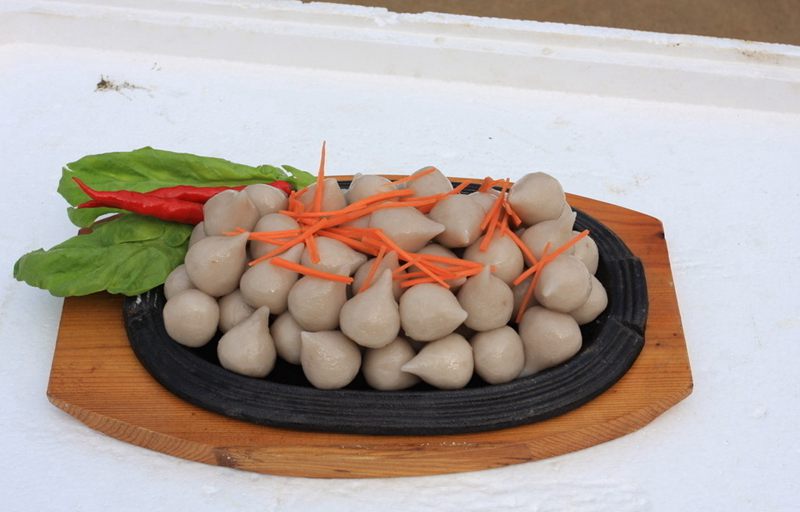
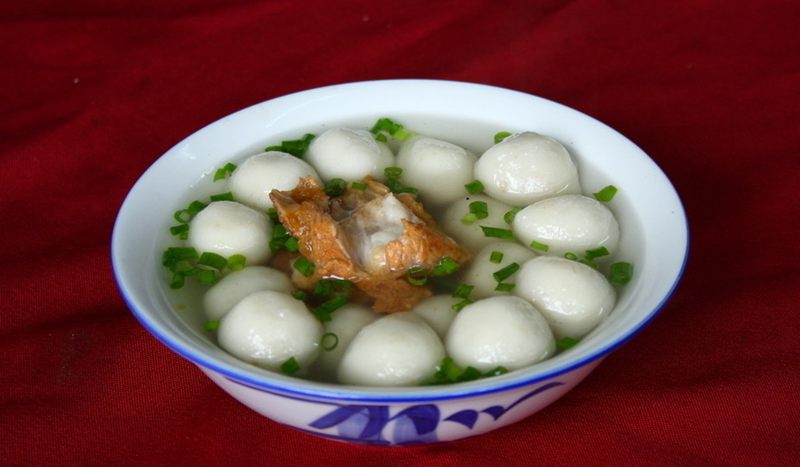
Xiushui Shaozi is a traditional Han snack in Xiushui County, Jiujiang City, Jiangxi Province. The word "shao" should be the radical of the word "food". There is no such word in the computer, so only "shaozi" is used. The word "shao" (shào) in "shaozi" is xiu The word "Shuiren" is not found in the dictionary. Everyone who comes to Xiushui wants to have a good meal with "Xiusi", and the hospitable Xiushui people often treat guests with "Xiusi". Anyone who has tasted "Xiusi" will praise it for its tender skin, fragrant filling and refreshing taste.
Reproduction without permission is prohibited: Lifestyle » Delicious delicacies from all over China | free bets no deposit, 777lucky
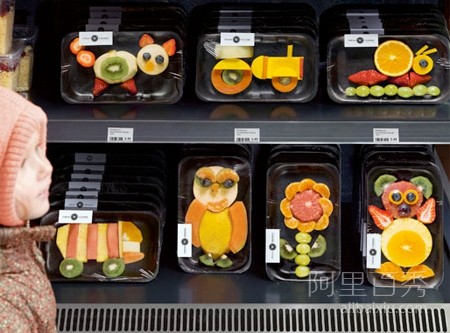 Cute and cute fruit
 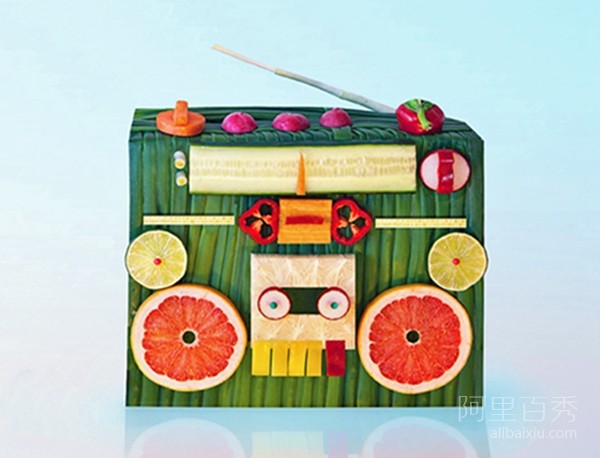 Gadgets made of food
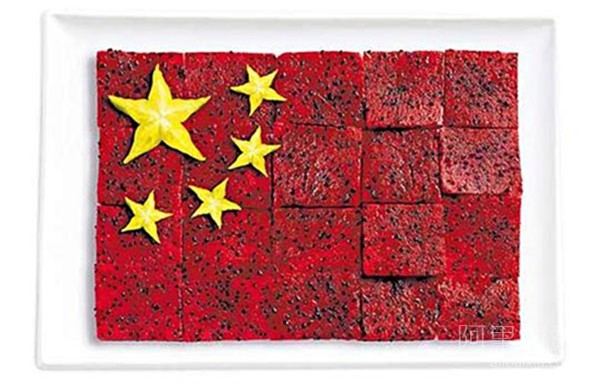 National flags made
  NIGO Revives Kenzo’s