Lifestyle
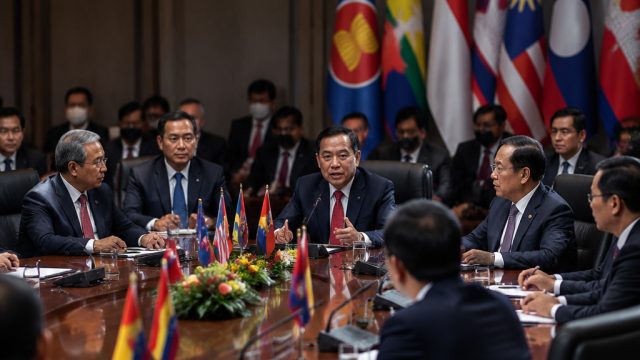
In light of ongoing political turmoil in Myanmar, the Association of Southeast Asian Nations (ASEAN) is recalibrating its approach towards engaging with the country. As Myanmar navigates through a critical juncture in its history, ASEAN's renewed commitment to fostering dialogue and cooperation has become increasingly vital.
Understanding ASEAN's Position
The complexities of Myanmar's political situation have prompted ASEAN to rethink its strategies. The organization, which traditionally emphasizes non-interference, is now faced with the pressing need to address the humanitarian and political crises unfolding within Myanmar's borders. This shift underscores ASEAN's recognition that stability in Myanmar is crucial not only for the country itself but also for the broader Southeast Asian region.
Historical Context and Recent Developments
- Background: Myanmar's recent history has been marred by political unrest, especially following the military coup in 2021 that ousted the democratically elected government.
- ASEAN's Response: Initially, ASEAN's response was characterized by a cautious approach, focusing on dialogue rather than direct intervention.
- Shifting Strategy: Recent events have led ASEAN to reconsider its methods, advocating for a more proactive engagement with Myanmar's military-led administration.
The Importance of Engagement Now
As Myanmar continues to grapple with internal conflicts and widespread civil unrest, the importance of ASEAN's engagement cannot be overstated. The current environment presents unique challenges and opportunities for ASEAN to play a pivotal role in shaping the future of Myanmar.
Building a Federal Future
One of the most critical discussions at the forefront of ASEAN's engagement is the potential establishment of a federal system in Myanmar. This idea has gained traction among various ethnic groups within the nation and could serve as a pathway to lasting peace and stability.
Key Considerations for ASEAN
- Inclusive Dialogue: Engaging a wide range of stakeholders, including ethnic leaders and civil society organizations, is essential for any sustainable political solution.
- Support for Peace Initiatives: ASEAN must back peace initiatives that prioritize dialogue over military solutions.
- Upholding Human Rights: As Myanmar continues to face human rights violations, ASEAN's commitment to promoting human rights must remain steadfast.
Challenges Ahead for ASEAN
Despite the promising direction ASEAN is taking, several challenges lie ahead. The organization must navigate its internal dynamics while addressing the external pressures related to Myanmar's situation.
Internal Dynamics of ASEAN
ASEAN comprises ten member states, each with distinct political interests and relationships with Myanmar. This diversity can lead to differing opinions on the best course of action. Ensuring a unified front will be pivotal in achieving any meaningful impact.
External Pressures
International actors, including Western nations, are watching ASEAN's engagement closely. Their responses could heavily influence how ASEAN navigates its relationship with Myanmar, as calls for sanctions and accountability grow louder. Balancing external expectations with regional realities will be a complex task for ASEAN leaders.
Conclusion: A Path Forward
As ASEAN steps into this crucial phase of engagement with Myanmar, the organization has an opportunity to redefine its influence in the region. By fostering dialogue, advocating for human rights, and supporting the notion of federalism, ASEAN can help steer Myanmar toward a more stable and democratic future. The stakes are high, and the time for decisive action is now.
Reproduction without permission is prohibited: Lifestyle » ASEAN's Strategic Role in Myanmar's Political Landscape | slot pragmatic, lee nba
 Cute and cute fruit
  Gadgets made of food
 National flags made
  NIGO Revives Kenzo’s