Lifestyle
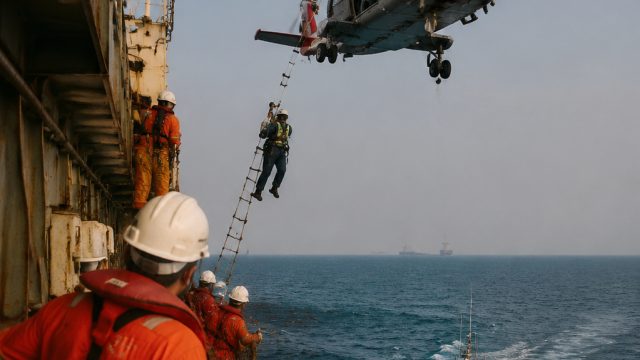
In a significant development for maritime safety, a coordinated evacuation operation is set to commence for over 11,000 seafarers stranded in the Persian Gulf. With the Strait of Hormuz serving as a critical maritime passage, this operation is backed by both Iranian and U.S. authorities, reflecting the urgency of the situation.
The Context of the Evacuation
The ongoing geopolitical tensions in the region have created a precarious environment for maritime operations. The Persian Gulf, a hub for international shipping and trade, is now facing challenges that threaten the safety of thousands of crew members. The evacuation plan aims to facilitate a secure exit for seafarers who have been caught in these tumultuous waters.
Why This Matters Now
The urgency of this evacuation is underscored by recent incidents that have raised concerns among shipping companies and international maritime organizations. The Strait of Hormuz is a vital corridor for oil tankers and commercial vessels, accounting for a significant percentage of the world's oil trade. Any disruption in this area could have far-reaching consequences not only for shipping routes but also for global energy prices.
Details of the Evacuation Plan
The evacuation will be executed in several phases, ensuring that the process is efficient and that all safety protocols are adhered to. Here are the key components of the plan:
- Coordination with Authorities: Both Iranian and U.S. maritime authorities are collaborating to oversee the evacuation, ensuring the safety of all personnel involved.
- Secure Transport Routes: Special vessels will be designated to transport seafarers safely through the Strait of Hormuz.
- Health and Safety Measures: All evacuees will undergo health screenings before departure to mitigate any health risks.
Impact on Shipping and Trade
The implications of this evacuation extend beyond the immediate safety of seafarers; they also affect global shipping and trade dynamics. As vessels navigate through the Strait of Hormuz, the presence of so many stranded crew members raises concerns regarding potential delays and increased operational costs for shipping companies.
Potential Economic Concerns
Disruptions in the shipping industry can lead to increased costs for consumers and businesses alike. Here’s how:
- Increased Shipping Costs: The need for alternative routes or delays in shipping schedules could drive up the cost of goods.
- Market Volatility: Fluctuations in oil prices may occur as a reaction to perceived threats in the shipping lanes.
- Insurance Premiums: Shipping insurance rates could rise due to higher risks associated with navigating the Persian Gulf.
What Can Maritime Stakeholders Do?
Stakeholders in the maritime industry must remain vigilant and responsive as the situation unfolds. Here are some steps they can take:
- Stay Informed: Regularly monitor updates from maritime organizations and government agencies regarding safety protocols and travel advisories.
- Diversify Routes: Consider alternative shipping routes to mitigate risks associated with the Strait of Hormuz.
- Engage in Dialogue: Foster communication between shipping companies, governments, and international organizations to enhance collaborative efforts.
Conclusion
The evacuation plan for seafarers in the Persian Gulf is a crucial step towards ensuring maritime safety amidst growing tensions. As the world watches closely, the outcomes of this operation may redefine the landscape of shipping and trade in the region. For those involved in or affected by maritime operations, staying informed and proactive is essential for navigating these challenging times. The ongoing developments highlight the interconnectedness of global commerce and the need for collaborative solutions in addressing maritime challenges.
Reproduction without permission is prohibited: Lifestyle » Evacuation Efforts Underway for Seafarers in the Persian Gulf | gercep 88 slot, video liga spanyol terbaru, rtp toto4d
 Cute and cute fruit
  Gadgets made of food
 National flags made
  NIGO Revives Kenzo’s