Lifestyle
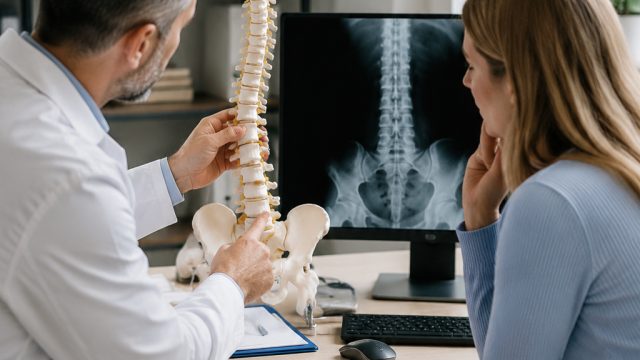
The landscape of spine care is undergoing significant changes, prompting healthcare professionals to rethink how they deliver services. At the recent Becker’s 23rd Annual Spine, Orthopedic, and Pain Management-Driven ASC Conference in Chicago, experts voiced concerns that the traditional model of spine care—characterized by increased procedures, expanded operating rooms, and higher patient volumes—might not be sustainable in the coming decade.
The Shift in Spine Care Dynamics
Historically, the approach to spine care was rather straightforward: perform more surgeries, build additional facilities, and adopt new technologies to drive patient volume. However, this model appears to be losing its effectiveness as healthcare evolves. The emergence of new challenges and shifting patient expectations are compelling healthcare professionals to explore more innovative solutions.
Changing Patient Expectations
Modern patients are increasingly informed, empowered, and sensitive to the quality of care they receive. They are demanding more than just surgical options; they want comprehensive approaches that prioritize recovery, rehabilitation, and long-term wellness. This paradigm shift is reshaping how spine care is delivered.
Integrating Technology in Spine Care
With the rise of digital health solutions, healthcare providers are starting to integrate technology into their practices. Telemedicine and virtual consultations are becoming more prevalent, allowing for greater accessibility and convenience for patients. This trend underscores the necessity for spine care specialists to adapt to a tech-savvy patient base while ensuring quality care.
Emerging Trends in the Spine Care Sector
The conference highlighted several trends that are influencing the future of spine care:
- Value-Based Care: The focus is shifting toward value rather than volume. Providers are now more accountable for patient outcomes, making quality care a priority.
- Holistic Approaches: More healthcare professionals are embracing multidisciplinary strategies that incorporate physical therapy, pain management, and lifestyle modifications into the treatment plan.
- Personalized Medicine: Tailoring treatments to individual patient needs and conditions is becoming increasingly important, promoting better outcomes and patient satisfaction.
Value-Based Care and Its Implications
As the industry moves towards a value-based care model, spine specialists must ensure they not only provide surgical interventions but also focus on comprehensive patient management. This entails educating patients about their conditions, involving them in their treatment plans, and emphasizing rehabilitation.
Importance of Interdisciplinary Collaboration
Collaboration among various healthcare providers is essential for successful spine care. Engaging physical therapists, pain management experts, and mental health professionals can lead to a more rounded approach to treatment. By fostering communication and cooperation across disciplines, patients can benefit from a more cohesive care strategy.
The Future: Challenges and Opportunities
While these trends present exciting opportunities, they also come with challenges. Healthcare providers need to overcome barriers related to training, resource allocation, and the integration of new technologies into existing workflows. Additionally, embracing change requires a shift in mindset for many professionals who have been accustomed to traditional practices.
Adapting to Technological Advancements
The rapid pace of technological advancements poses both a challenge and an opportunity for spine care. Providers must stay abreast of the latest innovations in treatment options and patient management tools, ensuring they can offer the best possible care without compromising on quality.
Regulatory and Financial Considerations
Changes in healthcare policies and financial models also impact the future of spine care. Providers must navigate these waters carefully, balancing the need for innovation with regulatory compliance and financial sustainability.
Conclusion: Preparing for Change in Spine Care
The future of spine care is undoubtedly evolving, requiring practitioners to adapt their approaches to meet new patient expectations and technological advancements. By embracing value-based care, interdisciplinary collaboration, and holistic patient management, spine specialists can ensure they remain relevant in a changing healthcare landscape. As we look ahead, it becomes clear that those who are willing to innovate will thrive in the next decade of spine care.
Reproduction without permission is prohibited: Lifestyle » Is the Traditional Spine Care Model Facing Its End? | wild 88 slot, cara daftar mbo99
 Cute and cute fruit
  Gadgets made of food
 National flags made
  NIGO Revives Kenzo’s