Lifestyle
In recent news from Rhode Island, a man has become the latest victim of the rare tick-borne illness known as Powassan disease, igniting discussions about this serious health threat. As cases of Powassan virus appear in different states, it’s crucial to understand what this means for public health and individual safety. This article unpacks the nature of this disease, its rising prevalence, and essential precautions that everyone should consider.
What is Powassan Disease?
Powassan disease is caused by a virus that is transmitted through the bite of infected ticks, primarily the black-legged tick, commonly known as the deer tick. This disease, while rare, can lead to severe neurological complications and even death in some cases. Unlike Lyme disease, which can often be treated with antibiotics, Powassan virus can cause lasting damage even after the initial infection has been addressed. Symptoms may include fever, headache, vomiting, and most notably, confusion or memory problems.
Understanding the Risks
- Increased Tick Populations: Warmer winters and shifting climates have led to a rise in tick populations across the U.S., increasing the risk of encounters.
- Geographical Spread: Areas that were once considered low-risk are now seeing cases emerge, expanding the geographical range of Powassan disease.
- Duration of Illness: The effects of Powassan can linger long after the acute symptoms have subsided, making it a long-term health concern.
Recent Developments and Cases
The recent case reported in Rhode Island highlights a concerning trend. Public health officials have confirmed various cases across the northeastern U.S., with Maine recording its first case this year as well. As more individuals are diagnosed, healthcare professionals are urging increased awareness and preventive measures. Unlike more common diseases, Powassan virus lacks a targeted treatment, emphasizing the need for vigilance.
Why This Matters Now
With the summer months approaching, more people will spend time outdoors, increasing the likelihood of tick bites. Understanding and addressing the threat of Powassan disease is vital now more than ever. As individuals engage in outdoor activities, they must stay informed about how to protect themselves from ticks and the diseases they carry.
Prevention Strategies to Stay Safe
Here are effective strategies to minimize your risk of contracting Powassan disease this season:
- Dress Appropriately: Wear long sleeves, long pants, and light-colored clothing to make it easier to spot ticks.
- Use Repellents: Apply insect repellent that contains DEET or other approved ingredients on both your skin and clothing.
- Check for Ticks: Perform thorough tick checks on yourself, pets, and children after spending time outdoors.
- Remove Ticks Promptly: If you find a tick, remove it immediately with fine-tipped tweezers to reduce the risk of disease transmission.
Conclusion
The diagnosis of a Powassan disease case in Rhode Island serves as a crucial reminder of the ongoing public health challenges posed by tick-borne diseases. As awareness spreads, it’s essential to prioritize preventive care and education regarding Powassan virus. By staying informed and taking proactive measures, individuals can significantly reduce their risk of contracting this rare but serious disease. As we head into the summer season, let's embrace outdoor adventures while remaining vigilant against ticks and the diseases they can carry.
Reproduction without permission is prohibited: Lifestyle » Understanding the Rising Threat of Powassan Disease in the U.S. | daftar mandiri qq, cari rtp slot pragmatic
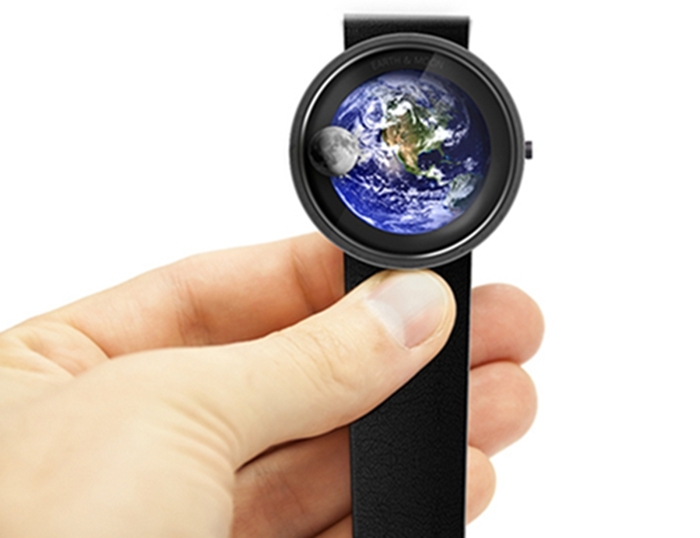 Stunning watch - Ear
 The ZIIIRO Eclipse w
 The rechargeable tre
 The world's tallest
  The detachable bicyc
 Embracing the Latest
 Can you easily turn
  Finding Fitness Bala