
 Lifestyle
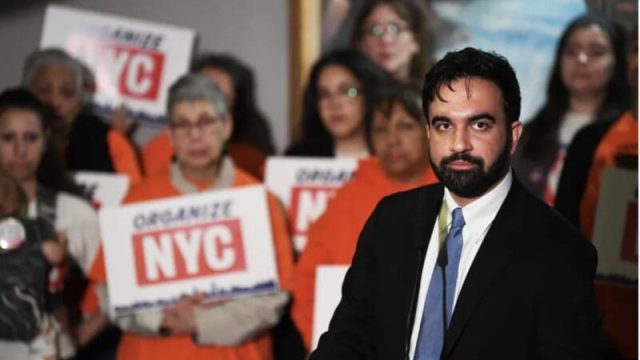
Impact of NYC Rent Freeze: What It Means for Residents Now
As New York City grapples with an unprecedented rent freeze, the implications for both tenants and property owners are raising alarms. With rising operational costs and stagnant rental prices, stakeholders are concerned about the future of the housing market. This article delves into the current effects of this policy, why it matters now, and what it could mean for the city's residents moving forward.
The Rent Freeze: A Double-Edged Sword
Mayor Mamdani's recent decision to implement a rent freeze aims to alleviate financial burdens on tenants amid economic uncertainty. While this initiative may seem beneficial on the surface, it is essential to explore the broader consequences for the local housing market.
Why Freeze Rents?
- To protect tenants from rising living costs
- To stabilize the housing market during economic fluctuations
- To address immediate housing insecurity concerns
The Underlying Risks
However, the reality is that while rents are frozen, property costs are not. Expenses such as taxes, insurance, and maintenance continue to rise. This disparity poses significant risks to property owners, who may find it increasingly difficult to manage their investments. As a result, the potential for long-term harm to the housing market grows.
Potential Consequences for Housing Availability
The ongoing rent freeze could lead to drastic shifts in New York City's housing landscape. Property owners facing soaring operational costs without the ability to raise rent might withdraw from the market, leading to a decrease in available rental units and exacerbating the existing housing shortage.
Impact on Property Maintenance
- Deferred maintenance: Property owners lacking funds may delay essential repairs, impacting living conditions for tenants.
- Investment withdrawal: Investors might reconsider their commitments to New York real estate projects, slowing new developments.
- Increased vacancies: As property conditions deteriorate, some tenants may choose to leave, resulting in higher vacancy rates.
The Construction Halt
With property owners potentially unable to sustain their buildings, the construction of new housing might grind to a halt. If investment in real estate declines, it will only contribute to the housing shortage. Consequently, the rental market may see increased competition for available units, driving prices up in the long run.
Spotlight on Tenant Rights
As the rent freeze takes hold, it is vital for tenants to understand their rights. Although this policy aims to provide security, the long-term implications may not favor renters. Knowledge of tenant rights can empower individuals in navigating potential disputes over property conditions or unfair practices.
What Tenants Should Know
- Understanding lease agreements: Tenants should familiarize themselves with their leasing terms to identify their rights explicitly.
- Reporting maintenance issues: Tenants have the right to live in safe and habitable conditions, and property owners must address repairs.
- Participating in advocacy: Joining tenant unions or groups can strengthen voices against unfair housing practices.
Conclusion: The Future of NYC Housing
The effects of NYC's rent freeze are profound and multifaceted. While the intention behind this initiative aims to support tenants during challenging economic times, it could inadvertently lead to a decline in housing availability and quality. As the city navigates these changes, it is crucial for both tenants and property owners to remain informed and engaged. Understanding the implications of current housing policies can aid in making better decisions for the future of New York City's housing landscape. Stay updated on ongoing developments to ensure you are prepared for any shifts in the market that may arise.
Reproduction without permission is prohibited: Lifestyle » Impact of NYC Rent Freeze: What It Means for Residents Now | 368mega login, tabel keluaran japan
 Cute and cute fruit
  Gadgets made of food
 National flags made
  NIGO Revives Kenzo’s