Lifestyle
Iran's Recent Actions in the Strait Impact Global Shipping Security
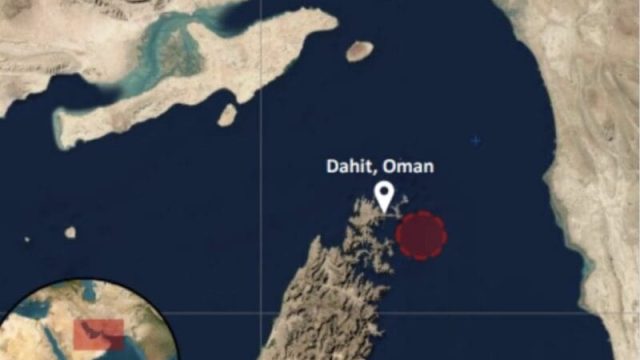
The recent escalation of tensions in the Strait of Hormuz has sent shockwaves through the global shipping industry. Iran's aggressive actions, including attacks on merchant vessels, have raised alarms about the security of international shipping routes. With the Strait serving as a critical passageway for oil and goods, the implications of Iran's maneuvers are profound, necessitating a closer examination of maritime security and the rules governing international waters.
Understanding the Situation: What Happened?
In a series of provocative incidents, Iranian forces have demonstrated their willingness to exert control over the Strait, claiming authority in a region vital for global trade. These actions are seen as a direct challenge to the established norms of maritime navigation and the freedom of passage in international waters.
Recent Attacks on Merchant Vessels
- Iran has reportedly targeted multiple vessels, raising concerns about the safety of shipping routes.
- Disruptions in maritime traffic could lead to increased shipping costs and delays in global supply chains.
- Insurance premiums for shipping companies operating in the region may rise significantly.
Why This Matters Right Now
The timing of these events is critical, as the global economy is still recovering from the disruptions caused by the COVID-19 pandemic. Any additional instability in crucial shipping lanes could have cascading effects on prices and availability of goods worldwide.
The Economic Impact
With approximately 20% of the world's oil passing through the Strait, the stakes couldn't be higher. Interruptions in this flow could lead to:
- Increased oil prices, depending on the duration of the conflict.
- Strained relationships between countries dependent on this shipping route.
- Potential for military escalations, should countries attempt to protect their interests.
International Response: What’s Being Done?
Global powers are not sitting idle in response to Iran's aggressive posturing. The United States and allied nations are exploring various strategies to ensure the safe passage of merchant vessels through the Strait.
Diplomatic Efforts
Negotiations and diplomatic outreach are critical components of the response strategy. Countries are advocating for:
- Increased patrols and a military presence in the region to deter further aggression.
- Collaborative efforts among nations to safeguard shipping routes.
- International condemnation of Iran's actions to pressure them into compliance with maritime laws.
Strengthening Maritime Security
In addition to diplomatic efforts, enhancing maritime security protocols is essential. This includes:
- Investing in advanced surveillance technologies to monitor movements in the Strait.
- Forming coalitions of nations to provide security escorts for commercial vessels.
- Developing contingency plans for rerouting shipping traffic should the situation worsen.
Conclusion: Preparing for the Future
The situation in the Strait of Hormuz underscores a critical need for vigilance and preparation among global shipping enterprises. As Iran continues to assert its control over this vital waterway, businesses and governments must adapt to the new realities of maritime security. The implications of these developments are significant, impacting not only shipping costs but also the broader landscape of international relations. By staying informed and proactive, stakeholders can better navigate these turbulent waters ahead.
Reproduction without permission is prohibited: Lifestyle » Iran's Recent Actions in the Strait Impact Global Shipping Security | spbutoto slot, pola rtp slot
 Cute and cute fruit
  Gadgets made of food
 National flags made
  NIGO Revives Kenzo’s